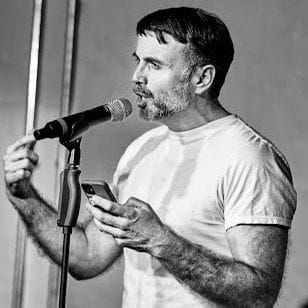
My favourite poetry is that which teaches me something about a person and their lived experience while being abstract enough that I can find myself in it. Mahir’s poetry is just that - gentle, soulful and thought provoking. The poem shared in this edition speaks to polarity and the thin lines in identity and places. “Fault lines” especially stuck with me, rolling around in my mind to look at from different angles. The dictionary definition is: a long crack or fracture in the Earth's surface where tectonic plates meet and move, often causing earthquakes, or a hidden weakness in a system or relationship that could cause it to fail. After reading Mahir’s piece I am seeing them in myself, others, my work environment, society, nature. These little tightropes, where things are finely balanced, yet still moving forward. This project is all about recognising those lines, observing what lies on either side and forging on regardless. So, this edition is a perfect fit.
Please be mindful that WSR content can be thematically sensitive.
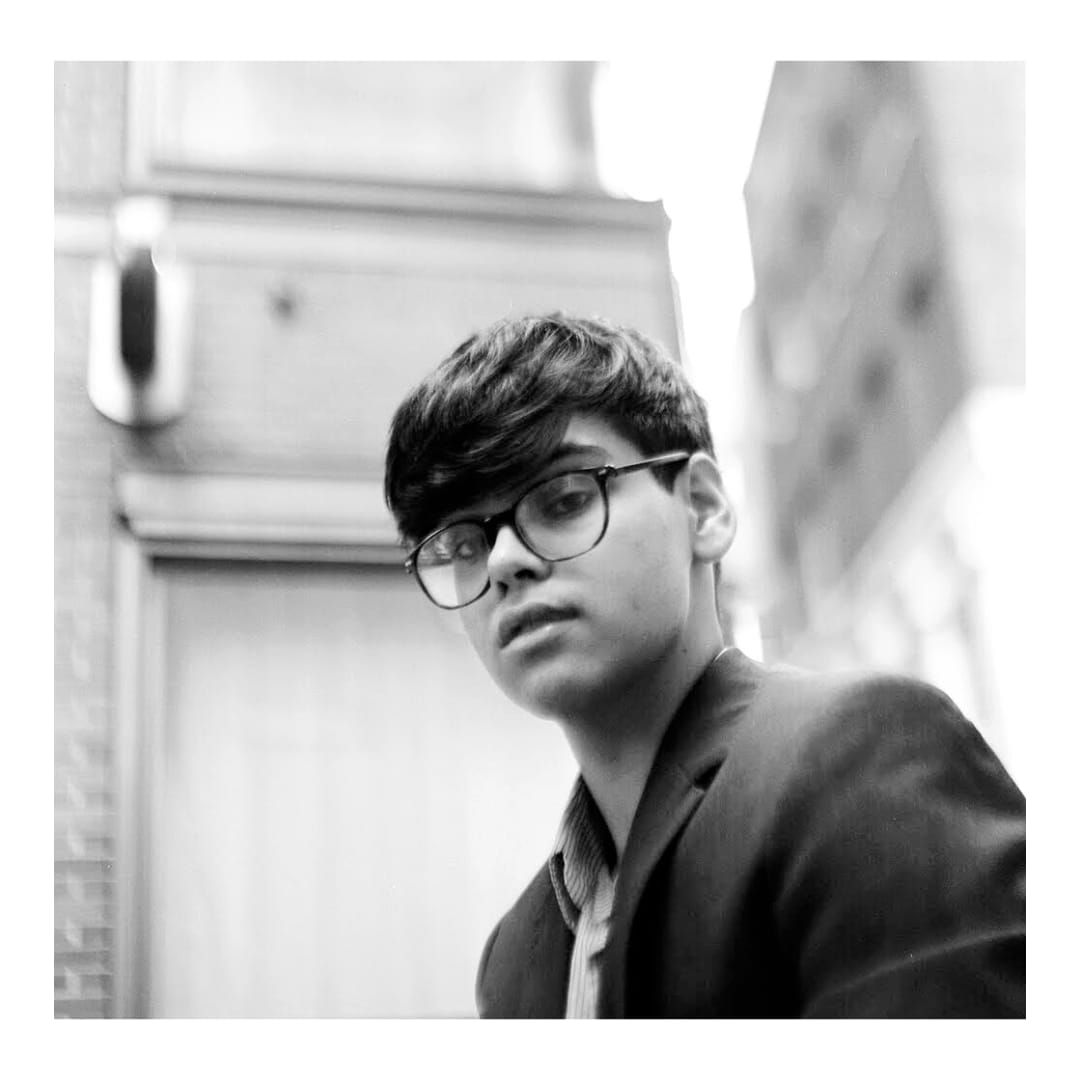
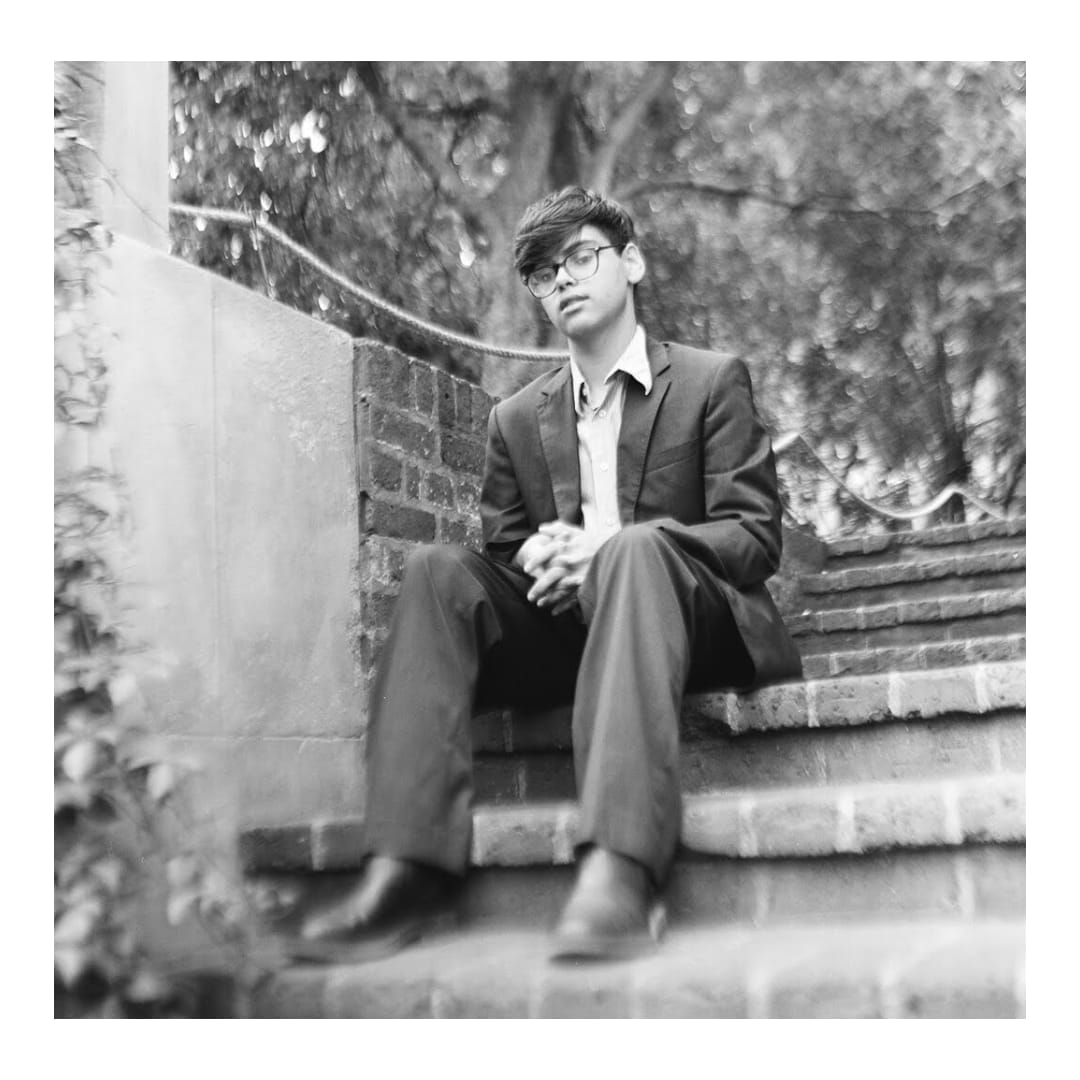
Mahir
Stories have always been the way I've tried to make sense of the world. Before I ever wrote poetry, I was the child who disappeared into books, fascinated by the possibility that someone else's words could completely change the way I understood my own life. Reading taught me empathy before I even knew what it was. It showed me that people could hold contradictions, and that joy and grief could very much co-exist.
I only began writing poetry under three years ago, but it immediately felt like the art form I'd been searching for without realising it. Unlike prose, poetry never demanded certainty from me. It allowed me to leave questions unanswered and welcomed ambiguity, contradiction and silence. Some emotions don't arrive neatly enough to become stories; they arrive as fragments, images or memories that refuse to leave. Poetry became the place where those fragments could exist without me having to force them into something easily understood.
Much of my writing comes from growing up in Tower Hamlets as a working-class British South Asian of dual heritage. That experience often meant feeling as though I occupied spaces without fully belonging to any of them. Identity wasn't something I could neatly define; it constantly shifted depending on who I was with, where I was, or what part of myself I felt expected to emphasise. At times I felt too South Asian in predominantly white spaces, yet not nearly South Asian enough in others. Living with that uncertainty shaped my mental health, teaching me that wellbeing is not only affected by major moments, but also by the smaller questions we carry constantly within ourselves.
That uncertainty inevitably found its way into my poetry. I write about grief, sexuality, class, family and cultural identity because they all ask something similar of us: who are we beneath expectation? Anxiety, in particular, has a way of convincing me that every uncertainty needs an immediate answer. Poetry asks the opposite of me. It asks me to slow down, sit with difficult emotions, and accept that not every question has to be resolved before it can be understood.
Sharing my work with others has transformed that experience further. Performing personal poems can be intimidating, but the conversations that follow have shown me how often people recognise pieces of their own lives in experiences that once felt uniquely mine. I have come to see poetry as more than self-expression. It is a way of creating connection and reminding people that they are not alone.
The poems that have stayed with me most are rarely the ones that provide solutions, but the ones that give language to feelings I struggled to name. I hope my own writing can offer that same sense of recognition. Writing has not removed anxiety, grief or uncertainty from my life, but it has given me a way to understand them with greater compassion. To me, recovery is not about becoming untouched by difficult experiences, but about learning to live alongside them, and finding meaning, connection and even hope within them.
Liturgy of Silt
The treaty on my skin was signed by rivers that never met.
I am the quiet, unprayed space between two shores,
where the delta breaks against a colder northern stone,
and neither current knows how to hold the weight of the other.
Here, the afternoon is a row of silent, kneeling backs.
I stand straight while the room bends to an ancient alphabet,
my tongue a secular drought
in a house of flooding mercy.
They burn the smoke to blind a child who sees too much.
In the kitchen, the turmeric stains my fingers like an inherited guilt.
I carry the warmth of a soil I have never planted,
yet my bones are chilled by the damp frost of the borough,
a stranger to the harvest of both my bloodlines.
The nerves in my sinew are frayed from the constant shifting.
This mind is an island
caught between two high tides,
eroding quietly under the weight of expectations,
where choosing one side
means drowning the other.
There is a terrible, silver peace in being the fault line.
I am a sleeping horizon where day and night refuse to touch.
I am too fierce a sun for the grey gardens of my birth,
and too sharp a wind for the burning gold of the country I am owed.
The border is not a brick wall, it is a permanent salt-stung weather.
Do not look for a morning that arrives without scars.
This is the liturgy of silt settling at the bottom of the dark.
Yet somewhere beneath the silt, something still remembers the shape of the light.
The water turns clear, cold, and perfectly still,
revealing everything that drowned, and everything that learned to breathe.
On the writing process
My writing process can be quite chaotic. It is never the same twice, which is probably the only consistent thing about it. Sometimes a poem arrives almost fully formed, and I'll write the entire thing in one sitting. Other times I'm convinced I've finished something, only to spend weeks returning to it, changing a single word fifty times, restructuring entire stanzas or realising the poem is actually trying to say something completely different. I've learned not to rush that process. Some poems need time to reveal themselves.
Most poems begin with a line or even just a single word appearing in my mind out of nowhere. Those moments are very fleeting because if I don't write them down immediately, they're usually gone within minutes. My notes app is full of half-finished ideas, isolated images, and sentences that made sense to me in a particular moment.
Writing has become the way I process experiences I don't yet fully understand. I often don't know what I truly think or feel until I begin writing, as the poem becomes less about recording an emotion than investigating it. It asks questions I hadn't considered before and often arrives somewhere I never expected. In that sense, poetry feels less like creating something and more like uncovering what was already there beneath the surface.
I'm particularly interested in allowing form to mirror emotional experience. Rather than deciding on a structure before I begin, I let the subject determine how the poem should move across the page. Some experiences demand order and restraint, and others resist it entirely. I'm fascinated by the relationship between technique and feeling, how repetition can recreate obsession or grief, how fragmented lines can mirror anxiety, or how silence on the page can communicate just as much as language itself.
Above everything else, honesty is the principle I return to most. I don't write to sound profound. I write to tell the truth as accurately as I can. I've found that the more specific and vulnerable I'm willing to be, the more people seem to recognise parts of themselves in my work. That's one of the things I love most about poetry - our experiences may be different, but our emotions rarely are!
Favourite poets, poetry nights, books or other resources:
I don't think I've ever looked for poets whose writing feels exactly like mine. Instead, I'm drawn to people who remind me that poetry can take countless forms while still feeling so relatable and universal. Mary Oliver has taught me the beauty of paying close attention to the ordinary. Derek Walcott has been a huge influence because of the way he writes about place, identity, and inheritance. As someone of dual heritage, I often find myself returning to his work for its exploration of belonging and the feeling of existing between cultures. Some of my other all-time favourites include Lee Harwood, Ocean Vuong, and Emily Dickinson, to name a few.
I also wanted to give a shout-out to all the poets on the London spoken word scene who have shaped me just as much, if not more, during these past few months. I've been incredibly fortunate to meet people who have welcomed me with such warmth and encouragement upon entering this new space, many of whom I now consider my friends. There are far too many to name them all, but a special thank you to Steve Tasane, Kavita Hansla, Valera Simonchuk, Alice Border, Catherine Dunn, Teresa Rendell and Adam De Salle.
Favourite Nights:
● If Poets Ruled The World
● White Feather Poetry
● Wordspace
● Av a Word
● Hold Space
● Charing Cross Library (special mention for being my first ever open mic!)
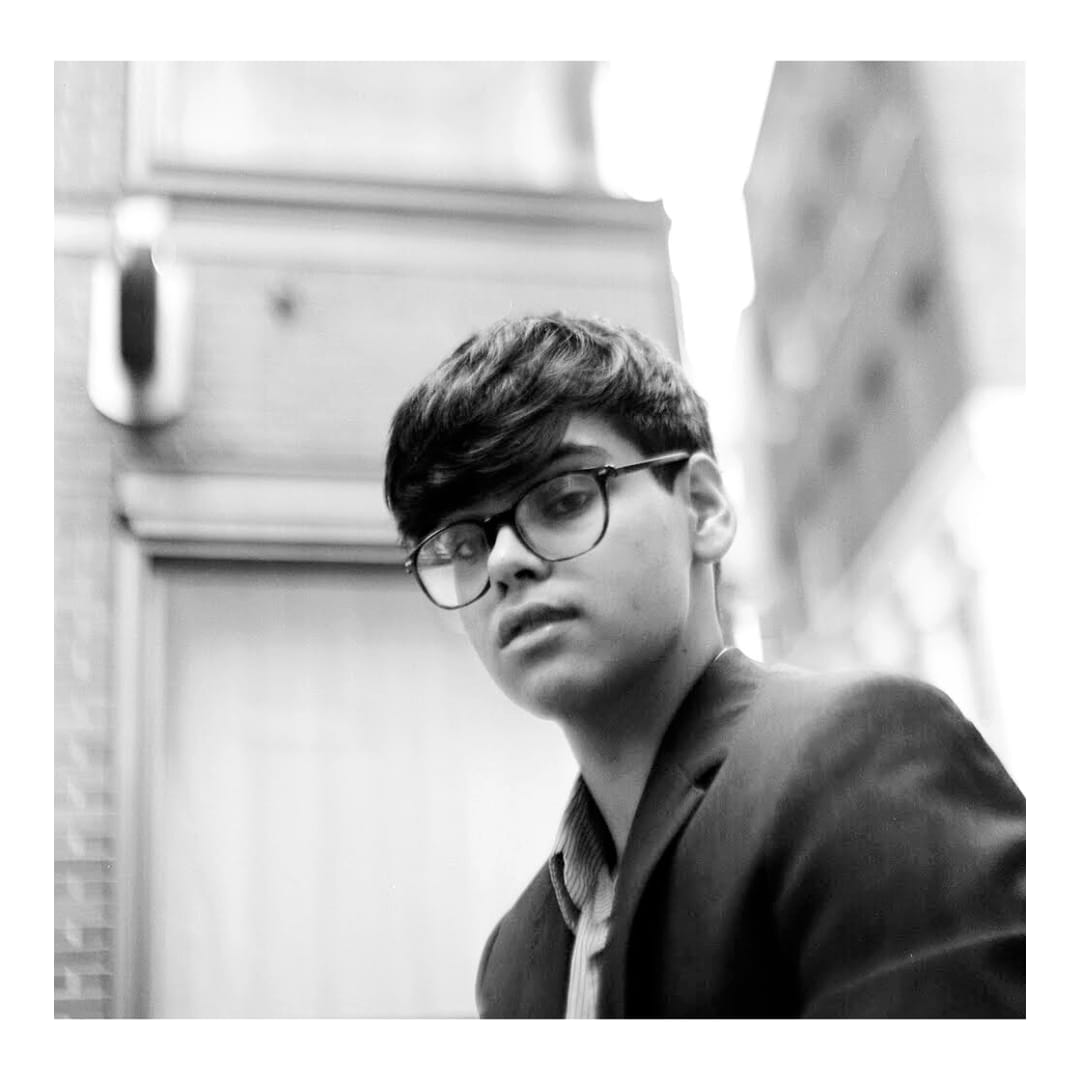
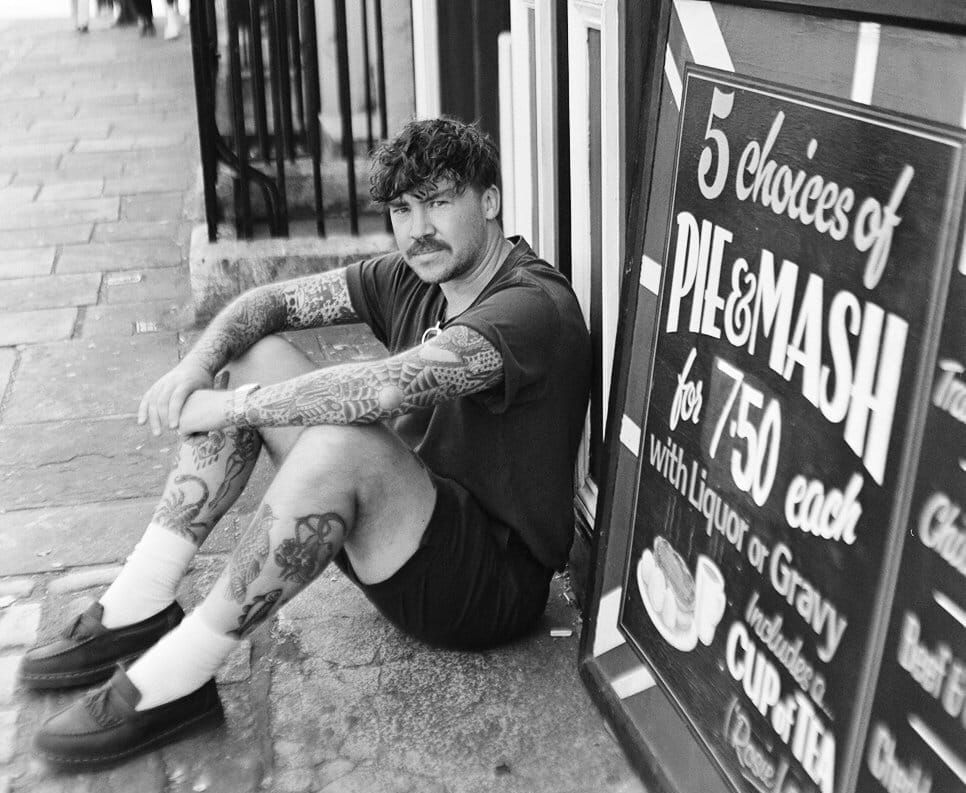
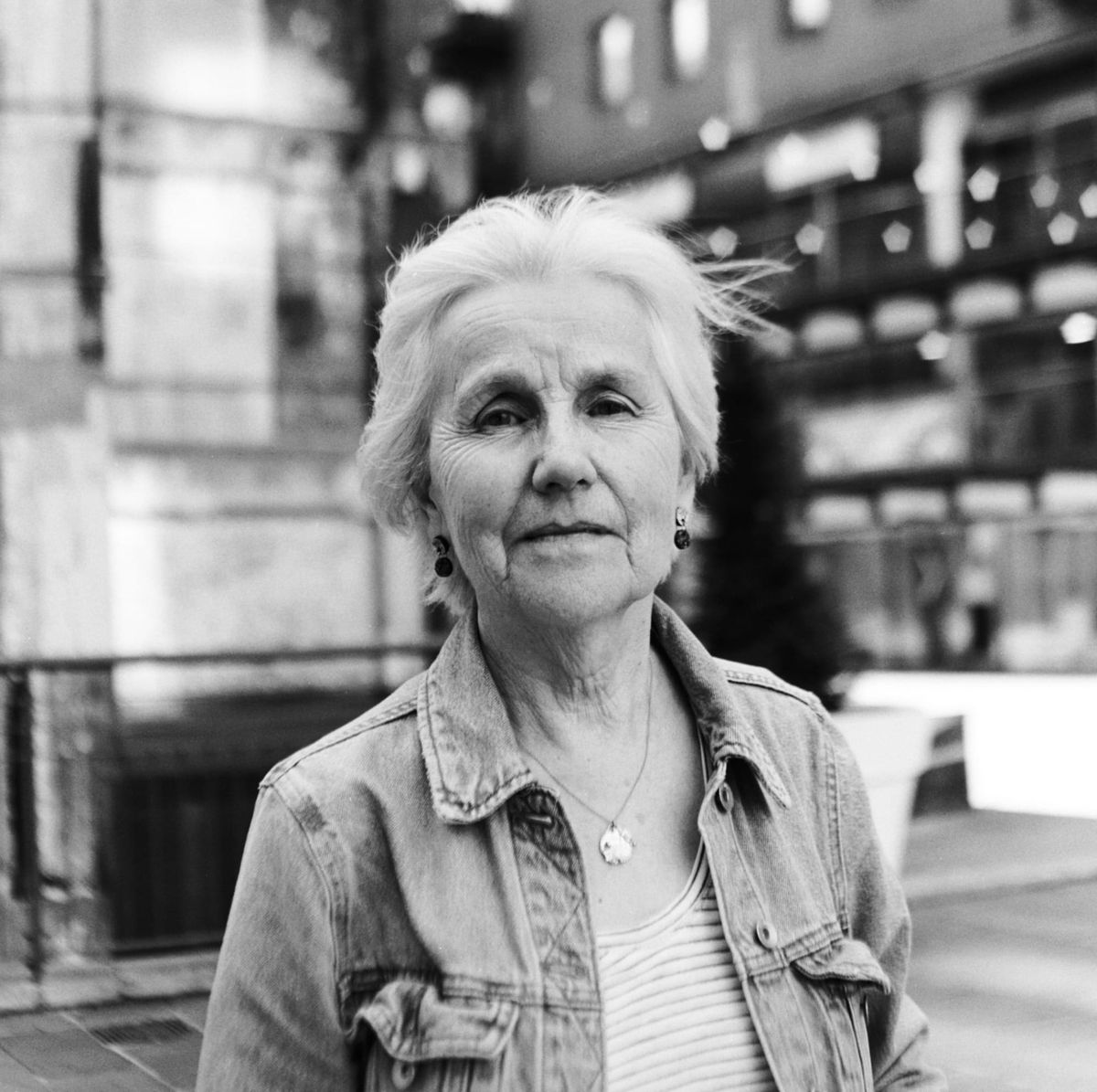
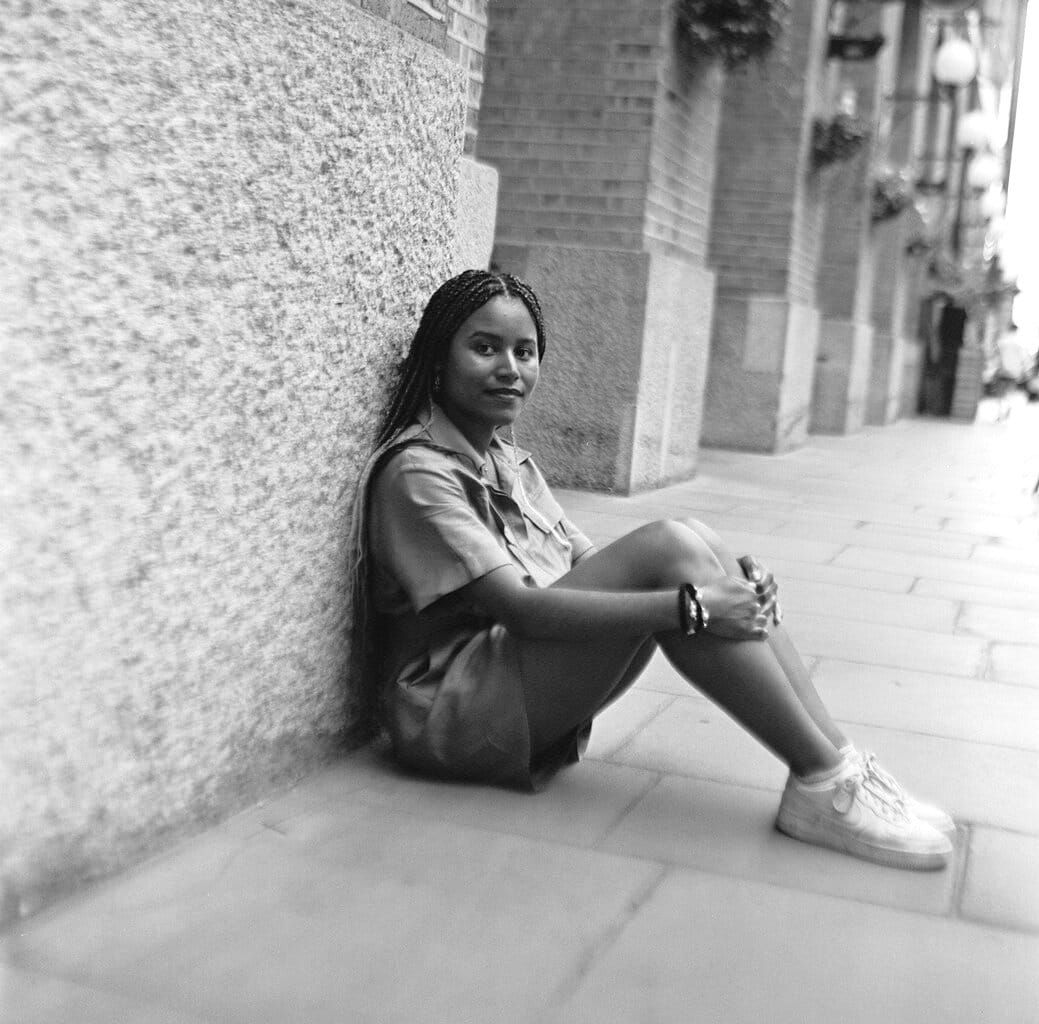
Write Speak Recover, in collaboration with TheNeverPress is an open, free collection of original portraits of poets using their art to find strength in their recovery journey from any form of dis-ease.
We invite you to follow Write Speak Recover on Instagram and to reach out to Tim Foley at WSR or us directly at the zine to learn more, or put yourself forward to be featured in this initiative.
Hit the logo for more Write Speak Recover content 👇
If you need support, here are some resources:
Samaritans
Alcohol Change
Recovery Dharma
Alcoholics Anonymous
This article was brought to you by Tim Foley and Graham Thomas.