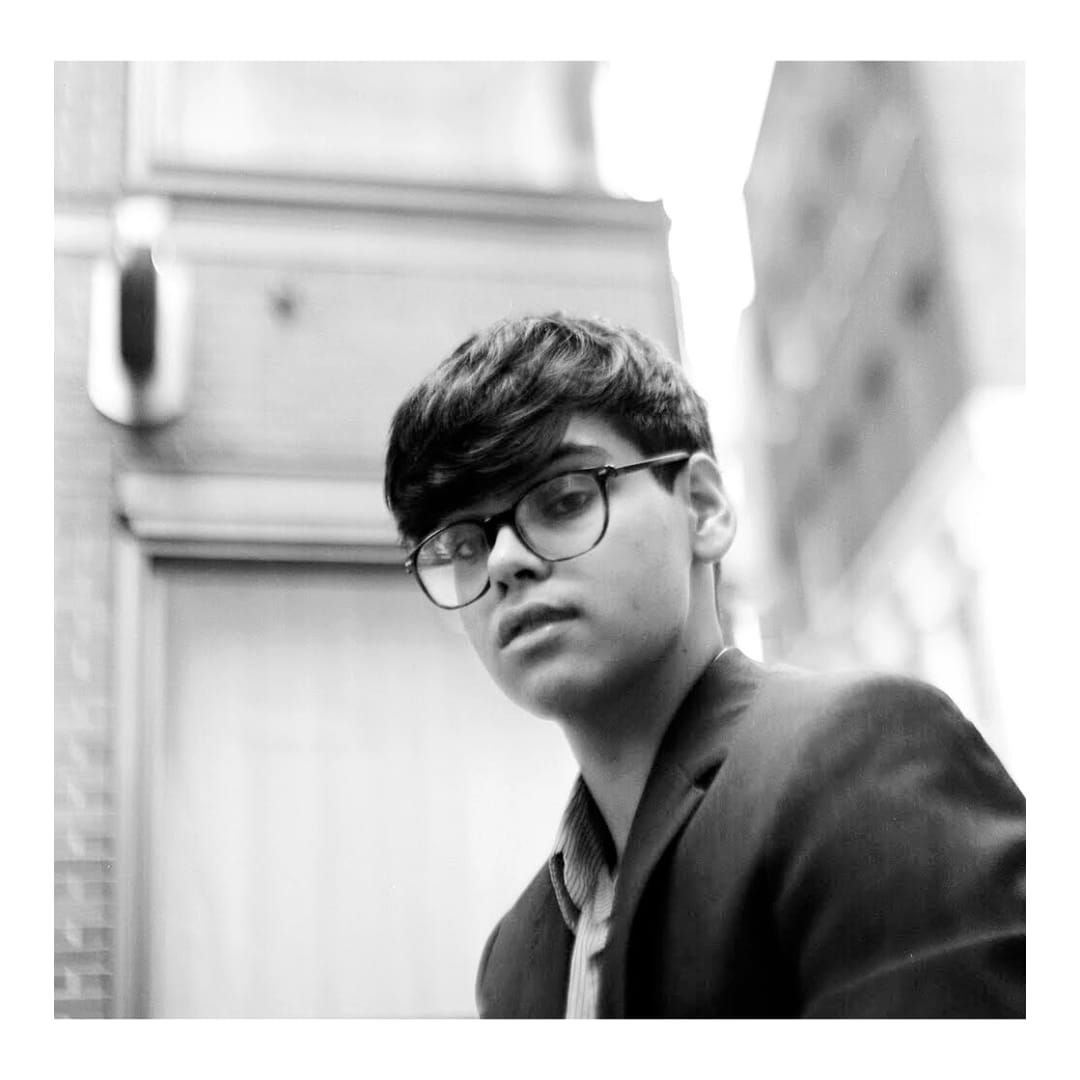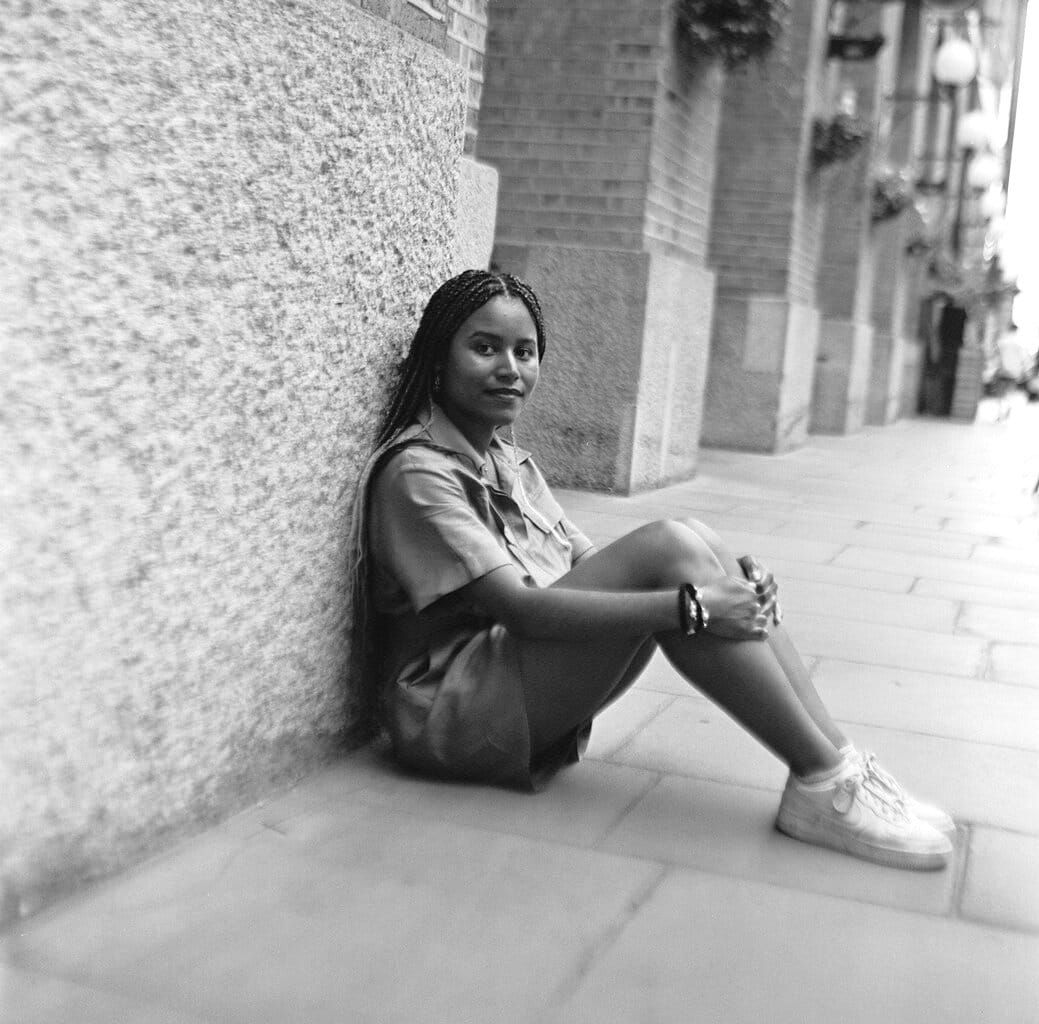
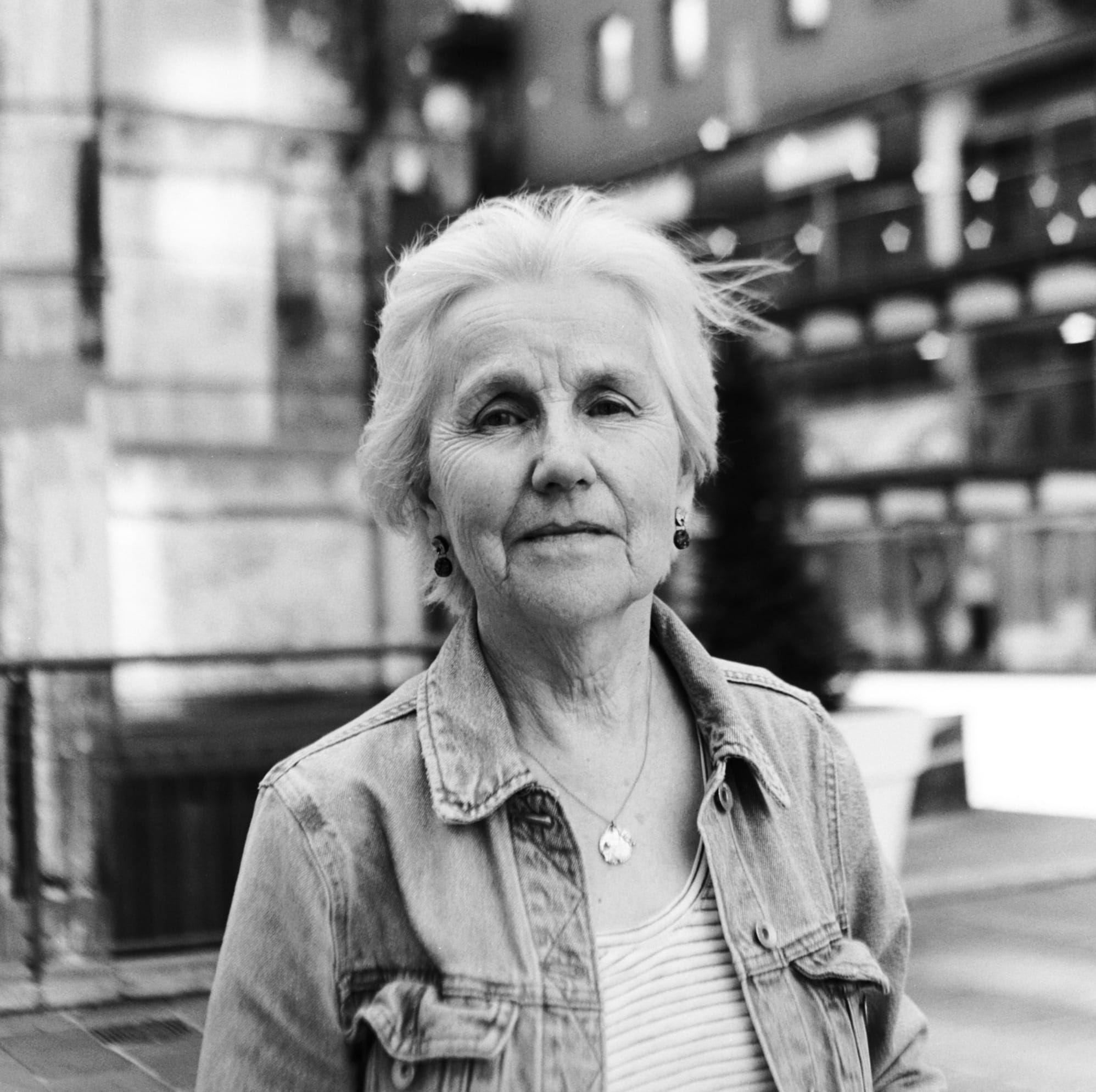
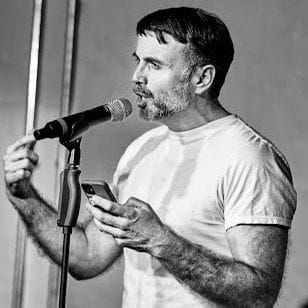
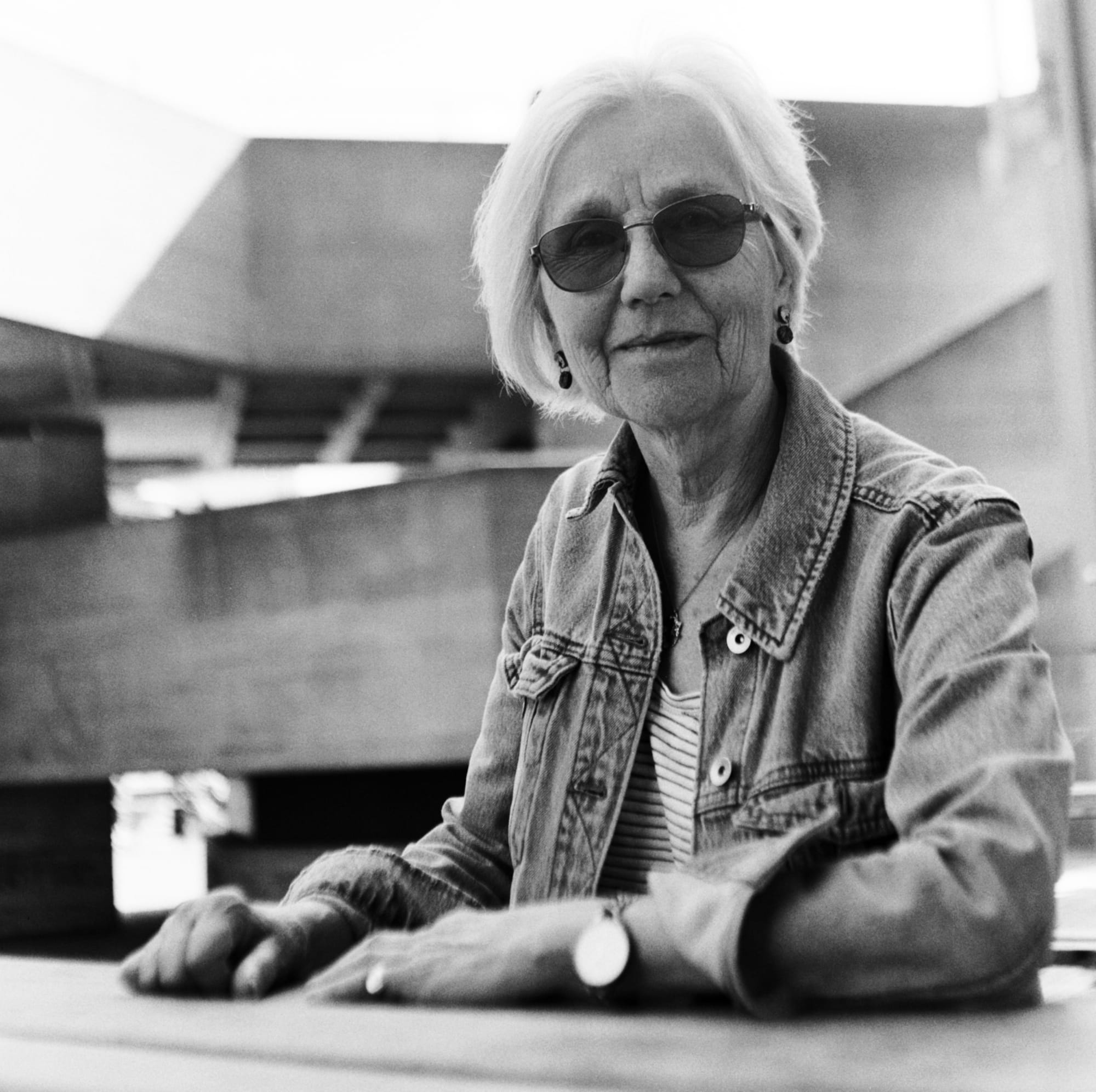
We featured Seb Bance, back in October after I heard him speak about the loss of his brother, Alistair at the Orbit Brewery open mic. Subsequently Seb let me know his mum, Jenny, is also a poet and that she’s been processing loss and life through poetry too. So, it is such a privilege to bring you this edition of Write Speak Recover as a standalone but also as a continuation of the connection we are making with poets and their families. Jenny and I met under the clock at Waterloo Station and went for a walk along the South Bank. On the way, we talked about striving to live in the moment and without fear of death. We found ourselves outside the National Theatre - War Horse is currently showing - and Jenny shared that she had been to see it with Alistair, and it was a very happy memory of time spent with him. This project seems to have a habit of placing us in meaningful situations.
Please be mindful that WSR content can be thematically sensitive.
Jenny
For me, a poem usually begins life with a word, a phrase, an image that jumps into my head and won’t go away. It’ll be in response to an emotion, something I’ve seen, an overheard conversation perhaps, and the words nag at me demanding to be put on paper, to be expanded and completed. It’s hard to explain to other people, this compulsion to write, to corral an experience, to pin it down, know when a word’s just not quite right. But I guess it’s not much different than the urge to climb mountains or run marathons - apart from the fact that the risk of physical injury is much lower!
Recently I have felt the need to evaluate how I write. I spent my career as an English teacher and not surprisingly have read a fair amount of poetry, but the downside of this can be that it gets in the way. I find I’m referencing or echoing other poets, and also - one of my main vices – I realise I have written in an iambic rhythm for no good reason. I was using traditional formats, which can still work, but also meant that I was more or less stuck at the end of the 20th century, particularly in the appearance of the poem on a page. For example, every new line started with a capital letter, and there was an emphasis on the written rather than the spoken and heard.
I wrote this while trying to come to terms with the sudden and unexpected death of a good friend and colleague. I had already been retired for some years, but he was still teaching and had another ten years to go. We had joked that when he eventually finished work, we would be able to go away outside of school holidays. It never happened. This might not be my best poem, but it makes the point about my style.
Paul
You gave my leaving speech,
Now I write yours.
I left my work,
You left your life
And left my life the worse.
I looked ahead in hope of years to come,
Time’s winged chariot close behind I thought.
No sense you’d be the first to go, so young,
So much to do -
Death’s jest -
Your future forfeited so soon.
The self intrudes, I sense the critic’s eye,
Words morph and change, the meaning slides.
The other poets hammer at my head,
With scraps of verse that seek to praise the dead.
Kind, witty, wise, the best of friends,
A gentle man, a teacher through and through,
You need no compass now to find your way,
You always knew true North.
On life and poetry
However, the main motivation for change came about through the loss of one of my sons, Alistair, to cancer. It was, and still is, a terrible thing for all our family. Poetry can be cathartic, but I found I was unable to write, as all I could think of was other people’s words - so many other fragments of famous poets’ work crowded into my mind and did not help me – it was their grief, not mine. I needed a new vocabulary, a new form of expression. I am grateful to my youngest son, Sebastian, for showing me a different way and that was by taking me to an evening of performance poetry in London and also by introducing me to Write Speak Recover.
Up to this point I would not have considered reading my poetry to a group of strangers, but Alistair was always someone who grasped life with both hands, and one of his final wishes was that we should take on new challenges in his memory. Apart from signing up to a Crossfit gym at the age of 76 – again I blame Sebastian - this poetical foray into the 21st century seemed like a good way to start. I was greeted by a crowded room of very diverse, warm hearted and welcoming people. In the workshop, I was astonished by what could be produced in so little time, and then when it came to the performance, I was struck by the deeply personal nature of many of the poems. Afterwards, I reflected on how reciting aloud not only changes the impact of the words on the audience but also must affect the actual writing of the poem itself.
I realised that my poems tend to rely on the reader being able to re-read the text and consider subtleties of language that then become apparent. The performance poet however must grab and then hold the audience’s attention, and like an actor communicates not only through the words, but also tone, pace, gesture, volume and so on. What they don’t have is a second chance, it’s a one-off delivery. Some poems can survive both levels of scrutiny, and some probably can’t. I recently came second in a poetry competition and had the rather amusing experience of being invited to read my poem at the prize giving event. My submission was all of three lines and it took me longer to get on and off the stage than read the poem, so it probably comes in the ‘wouldn’t survive’ category! In my defence, every word of those three lines was pondered and deliberated over and reflects a moment of joy and wonder.
On Seeing Your Baby's First Scan...
a shy spark of life
your world, alight with love, spins
on a new axis
(First selected and published by the Guernsey International Poetry Festival, Poems on the Move 2026)
I think it comes down to different purposes: WSR makes it clear that the writing and speaking of poetry to an empathetic audience can be a therapeutic and shared experience. This is one step further than writing for oneself in order to control or understand an emotion: it looks outwards to a community and the collective hope of healing. And I have recently had a very personal experience of this: at Alistair’s funeral, Sebastian read a poem he had written specifically for the occasion. It brought to life his relationship with his brother, captured what they had meant to each other and the escapades they had got up to. I remember looking around at the gathered crowd and they were smiling and even laughing at some of the memories. Yes, there was sadness, but also a sense of a young life well lived, and the possibility of recovery.
As a teacher, at the beginning of every academic year, some reluctant teenager would always ask me, ‘Why do we have to ‘do’ poetry?’ To be honest, I have some sympathy with this question: sitting in a classroom at 9.00am and ‘studying’ a poem can seem like torture for many and given the strictures of a syllabus and examinations, there’s little space for real discussion. However, despite this, there were always glimmers of understanding of the power of words. An embarrassed student would quite often sidle into my office with the request for a poem to read at a wedding or funeral, and even more shyly, would request one for Valentine’s Day.
But getting back to performance poetry, one of the best lessons I ever had was playing Tony Harrison’s ‘A Cold Coming’ to a class who had asked the ‘why’ question. If you don’t know it, look it up on You tube. It’s a searing indictment of the first Gulf War. On the page the rhyming couplets look trite, but when spoken by Harrison, their insistent, pounding rhythm, combined with the complex alliteration and diction, carry the hypocrisy, corruption and ignorance of the warring parties far better than any prose could. The young people listening were stunned – they sat in complete silence. In the end I dismissed them early - I did not want to destroy the poem for them by dissecting it. (The footnote to this is that I got in trouble for letting them out early - safety procedures and in loco parentis etc. but as far as I was concerned, it was a highly educational experience ….)
I’m obviously late to the party - I had no idea so much poetry was being written and performed in so many venues and on so many online platforms. The vitality and variety of the output is exciting, impressive and motivational. Harrison’s poetry is political as well as personal, and I would also like to see a resurgence of a more subversive genre, which provides a wider commentary on our fractured society and can help effect a different kind of recovery. However, for now I will attempt to loosen up my verse a little and take on some of what I have seen, and most importantly heard.
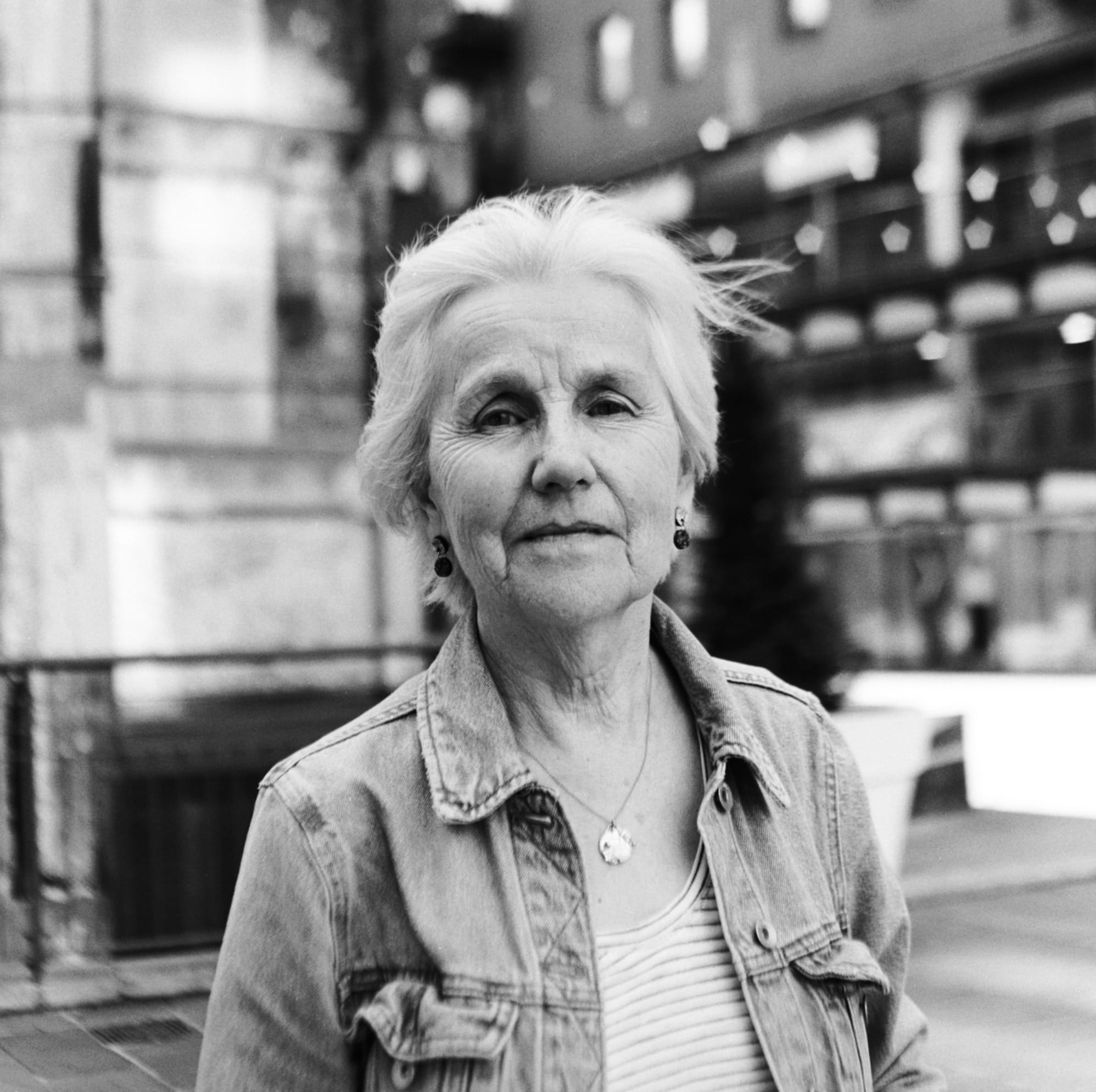
Write Speak Recover, in collaboration with TheNeverPress is an open, free collection of original portraits of poets using their art to find strength in their recovery journey from any form of dis-ease.
We invite you to follow Write Speak Recover on Instagram and to reach out to Tim Foley at WSR or us directly at the zine to learn more, or put yourself forward to be featured in this initiative.
Hit the logo for more Write Speak Recover content 👇
If you need support, here are some resources:
Samaritans
Alcohol Change
Recovery Dharma
Alcoholics Anonymous
This article was brought to you by Tim Foley and Graham Thomas.