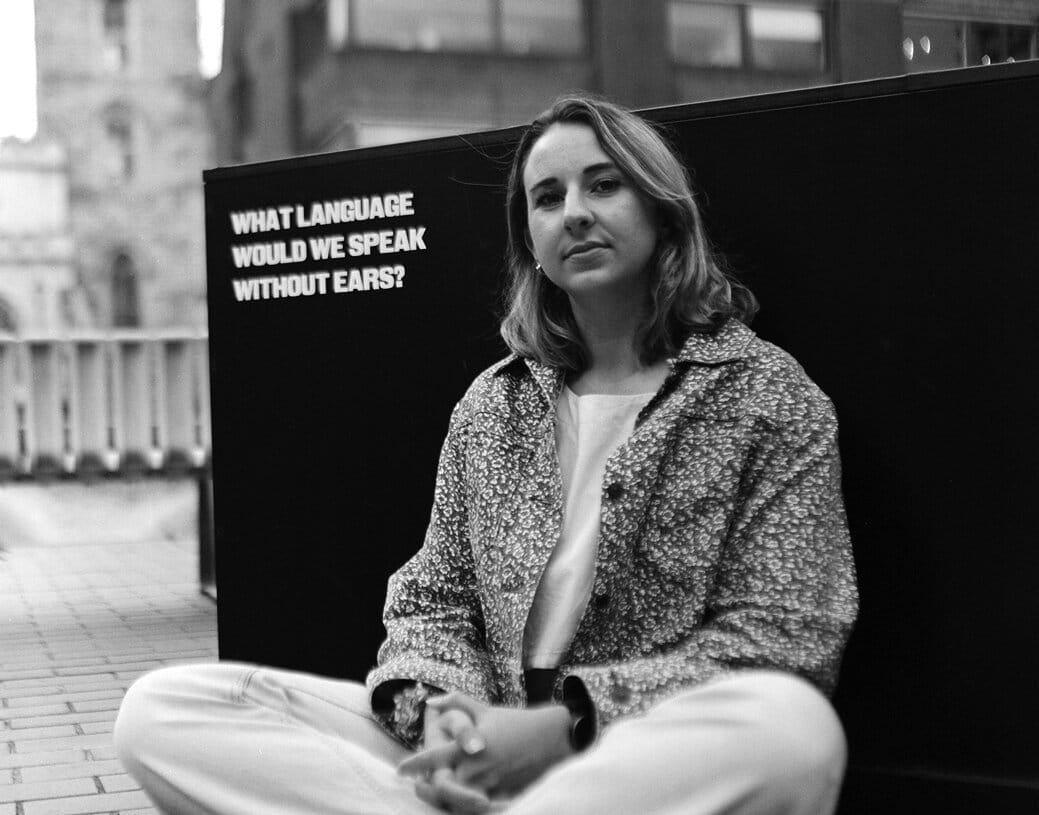
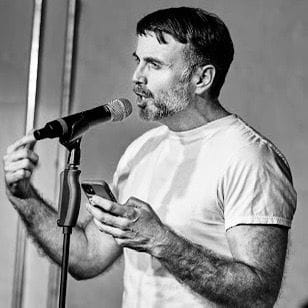
When I stumbled upon a writing class in the summer of 2024, I was like a little baby Bambi poet, all doe-eyed and completely unsure of my footing. Thankfully, Ruth and her collective are so kind and welcoming. That vibe permeated through the space as we squashed together (her workshops always sell out) in the warm summer evening. We described ourselves as weather - I was cloudy with occasional chances of sunshine that day, and we wrote about heat, with more than one poet referencing the London Underground! Ruth’s classes are a buzz of curiosity, education, self exploration and sharing. They help you find your voice (and feet!) as an artist. Drawing from Ruth’s experience, the materials she carefully chooses and each other to intentionally move into a space of creativity and away from the outside world for a while. I have written some of my favourite pieces in these sessions, which is wild really - to walk into a space, with an empty page, feeling unsure of yourself and to walk out with new found confidence and holding something you are proud of that will last forever. That’s magic! Thank you Ruth for being a big part of my journey and development, I feel very privileged to tell your story, over to you my friend. - Tim Foley, Founder, Write Speak Recover
Please be mindful WSR content can be thematically sensitive.
Ruth Beddow
I’m a poet and civil servant based in London, where I’ve been facilitating interactive poetry workshops since 2022 — most regularly at Morocco Bound bookshop. My mission as a teacher is to make the poetry community more open and accessible, particularly to those juggling creative pursuits with work in all its forms.
My own poems generally explore the intersection between physical place and identity, with hints of the absurd and the surreal. As the title of my first collection — The Thought Sits With Me — suggests, I’ve always had a restless mind and considered myself an ‘overthinker’. I’ve taken anti-depressants for my entire adult life, been diagnosed with OCD and tried most types of therapy – including hypnotherapy, during which I felt so guilty it wasn’t working that I pretended to cry…
A couple of years ago, I reached a point of burnout in my day job. I’ve often struggled to balance the pressures of productivity with creativity, but I’d hit a brick wall on both fronts and couldn’t do much more than sleep or want to run away. On the outside, I probably looked like I was functioning — making a brave and conscious decision to take a “career break”. Embracing new experiences and travelling knowingly to politically turbulent places, as if other people’s suffering might jolt me into self-knowledge.
Over the months, I watched my social media fill up with neurodivergent content, eventually slowed down, and spent more time unpicking my unique experience of the world. I went to my GP and asked to be referred for an ADHD assessment. After that, everything — including the collection I’d published — started to make sense. Perhaps I should have put the pieces of my own puzzle together sooner, but when you’re so deep in the feeling of being broken, it’s hard to see the whole picture.
Projects like Write Speak Recover enable us to take a step back and see how far we’ve come. I love the meeting of personal journeys, words and photographs. It’s proof that poetry is all about human connection.
Note To Self
You can cast a shadow on water.
When a shallow wave comes in, the shadow doesn’t disappear.
It’s more difficult to piss in the sea than everyone else makes out.
Even on the most deserted beach, you’ll still feel too ashamed to go topless.
This doesn’t mean you have to be a women’s rights lawyer.
It doesn’t mean you have to write about it.
You do not have to devote your life to finding poetry in unjust things.
Finding poetry in things is not a realistic pursuit for most people.
This is especially true if you went to a state school
or spent your summers in a caravan park
or were told as a child that poetry is not a realistic pursuit for most people.
You can be as many things as you like, which is terrifying.
It is acceptable, for instance, to have more than one most loved colour,
season, song, or fruit.
It is safe and nutritious to eat the skin of a peach.
There is an almost implausible shade of peach that shouldn’t exist but does,
among flamingos who’ve eaten their own weight in shrimp.
Very few things are implausible on Earth.
In the desert of Turkmenistan, there is a fiery crater
often referred to as the doorway to hell.
There is a language spoken in the Khotang district of Nepal called Dumi,
with only eight known speakers left.
You do not have to see or hear things to believe they exist.
There will never be enough time to eavesdrop on every conversation
about the traumas of childhood, childbirth, motherhood.
You don’t have enough feet to turn down every side street
in every city, just in case you missed the ghost of something.
You don’t even need to read the news today.
Some days, it’s enough to enjoy a blue sky through a closed window.
On the Writing Process
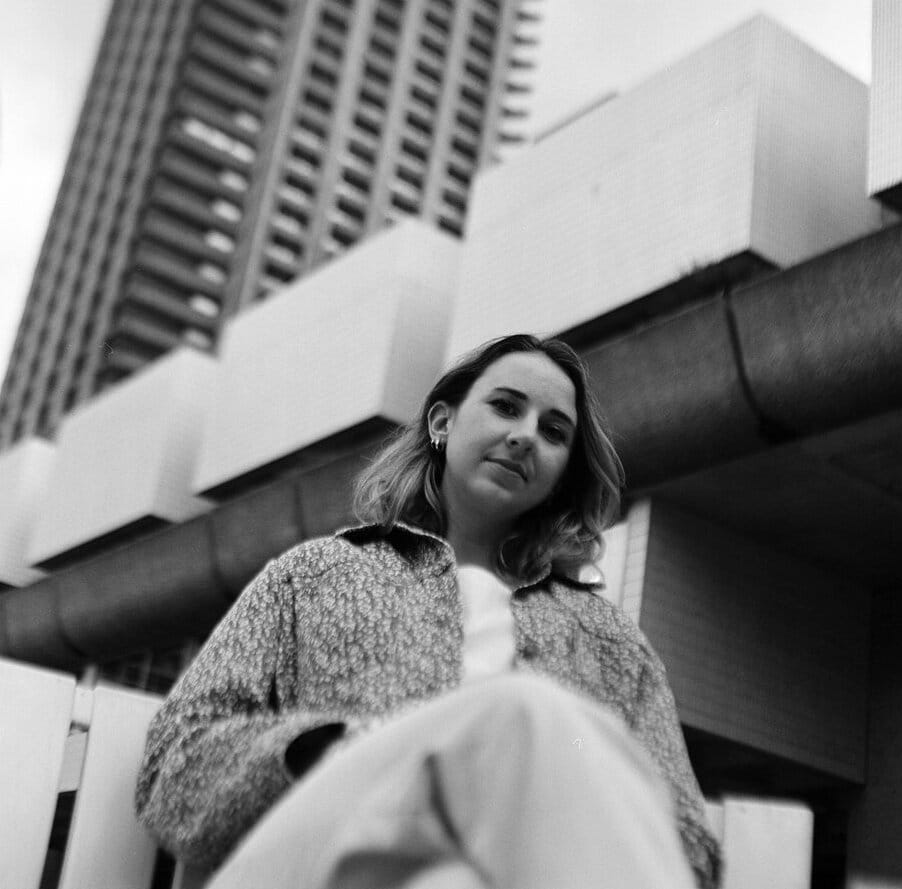
To be honest, my writing process is very all or nothing. I need dedicated time and space to become completely absorbed in my writing. This ability to hyperfocus during the pandemic — pouring my mental restlessness and frustrations into my collection — is what pushed me to compile, submit, revise and ultimately publish it. This can be a very isolating process for me, though. When I’m in the zone, I forget to eat, drink and sleep. It’s a fantastic and cathartic outlet, and sometimes it is a healing one. But more often, the pages of a notebook are where all my deepest buried and most contradictory thoughts and feelings spill out. Once they’re written down it’s a bit like, ‘woah, where was I hiding all that’?
In recent years, I’ve found myself carving out nuggets of writing time between work and life, usually when I’m in motion on a train, plane, bus or boat. There’s something about having the defined parameters of a journey, along with the innate feeling that you’re headed somewhere, that sparks my creativity. But I’ve found even more comfort and inspiration in bringing poets together, rather than being trapped in my own head with my own words.
Maybe it’s because, for a long time, I couldn’t really see a place for myself in the poetry world. It felt overwhelming, egotistical, and often inauthentic. Once I decided to start finding my people, by running my own workshops with accessibility and community at their heart, I realised that I wasn’t alone in this feeling. Since then my workshops have become a regular feature at Morocco Bound Bookshop, I’ve started an open mic called Cheaper Than Therapy (it is), and I’ve encountered a diverse range of unique voices. People with different day jobs, first languages, thinking styles and their own stories of resilience. This diversity is at the heart of the anthology we created together — Slow Progress — which is a nod both to my own need to slow down, and to the patient, iterative, organic mentality we can apply to creating poetry (or anything!)
I’m now really fortunate to call these poets my friends. Some of us even managed to escape to Gladstone’s Library in North Wales this spring – reading, writing, walking, eating and sharing our words within the parameters of three days and limited phone signal. It’s all about the right physical space and being around nurturing people, for me.
Other Resources
Since I run workshops at Morocco Bound, I’m biased, but I’d always recommend it to Londoners as a welcoming space with a range of literary, music and comedy events to inspire you. LaLa Books in Camberwell is a great new spot as well, and The National Poetry Library is a wonderful resource to browse, borrow from, or find a quiet writing space among the hustle and bustle.
Look out for my books, The Thought Sits with Me (Nine Pens, 2022) and Slow Progress (Morocco Bound, 2024) – an illustrated anthology of poetry produced at my workshops.
I encourage the poets I work with to submit for competitions and prizes. When starting out, I personally found my place in Wild Court, Write Out Loud, The Passionfruit Review, and Ink, Sweat and Tears. I’d point people towards these two great lists for:
a) poetry competitions to enter
b) journals and websites to submit to
Don’t underestimate the impact your own unique voice can have. And good luck!
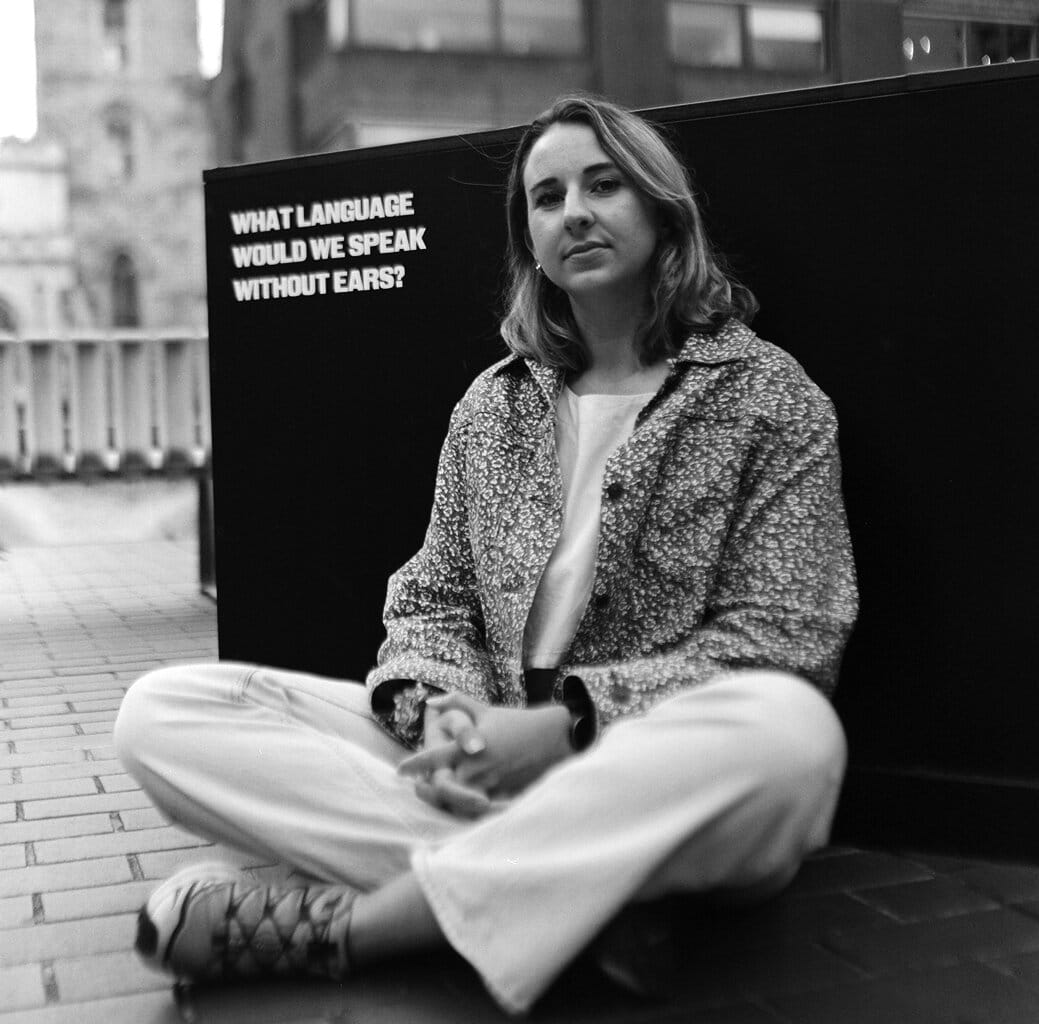
Write Speak Recover, in collaboration with TheNeverPress is an open, free collection of original portraits of poets using their art to find strength in their recovery journey from any form of dis-ease.
We invite you to follow Write Speak Recover on Instagram and to reach out to Tim Foley at WSR or us directly at the zine to learn more, or put yourself forward to be featured in this initiative.
Hit the logo for more Write Speak Recover content 👇
If you need support, here are some resources:
Samaritans
Alcohol Change
Recovery Dharma
Alcoholics Anonymous
Be kind. Stay present. One moment after the next.
This article was put together by Tim Foley, the WSR contributor and Graham Thomas.
PS - Don't forget to subscribe below for more content from TheNeverPress 👇