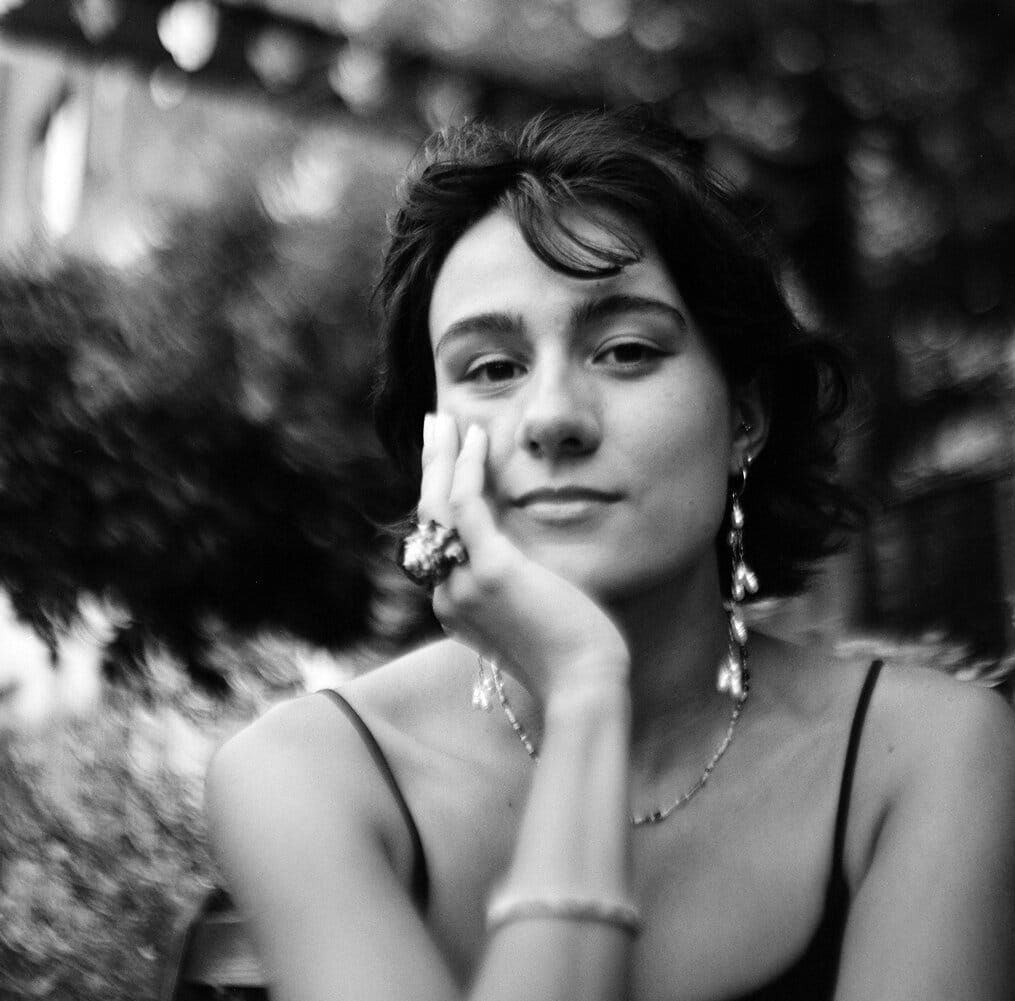
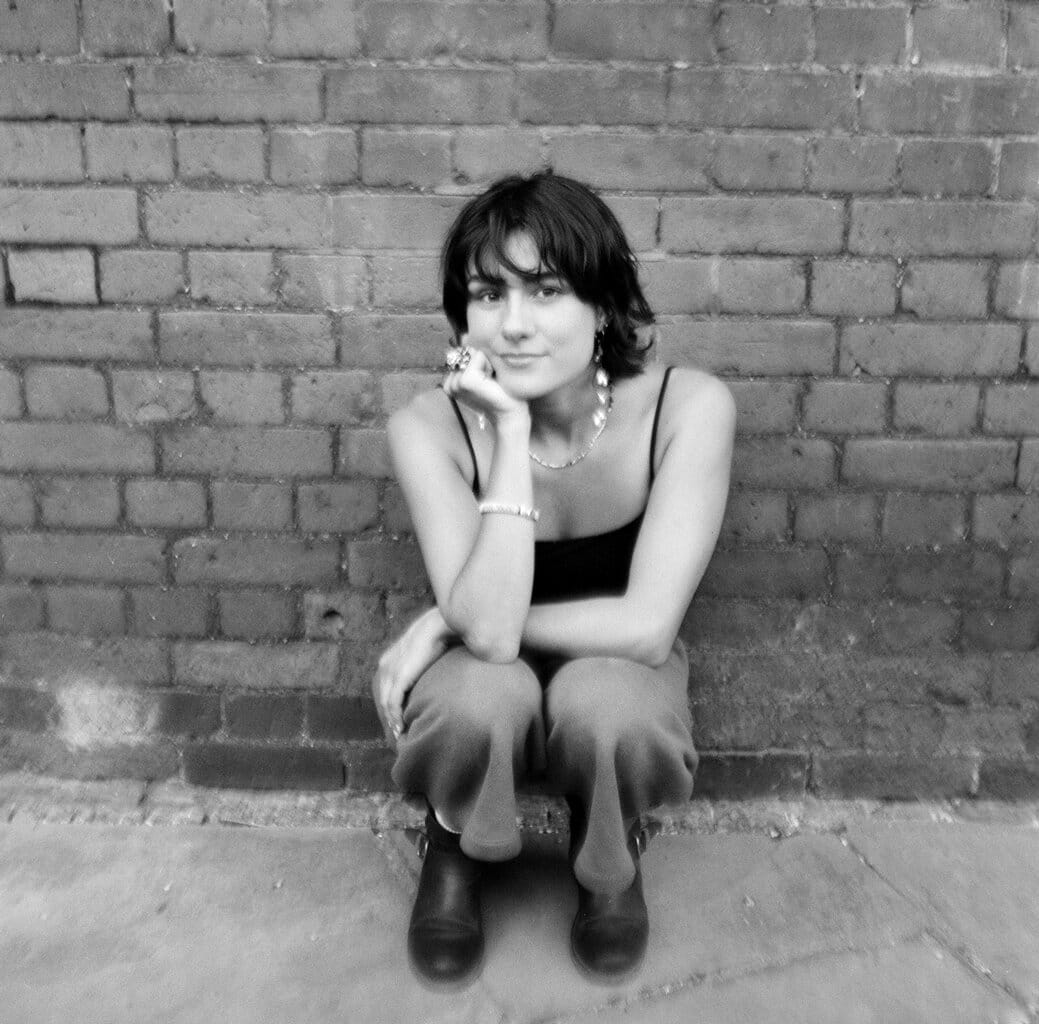
Maria found me through friendship. She was invited to join one of our Write Speak Recover workshops by the always effervescent Dave. Thankfully, she never left and has become woven seamlessly into our little world. She mentions Goethe in her piece and I wasn’t too aware of his poems, I’m now in the process of peeling back the layers of Der Erlkönig through my lens. I am reading Anam Cara, a book of Celtic Wisdom and in the chapter I opened this morning Goethe showed up again with his poem 'Blessed Longing'. In that translation the poem speaks of no longer being caught “in the peneumbral gloom” and being stirred to “soar to higher creativity”. That journey from light to dark and back again, in a rebirth cycle has been an ongoing theme in this project. Maria captures it beautifully here in her article and poem talking about "choosing the girl who wanted the energy to dance without feeling lightheaded". This project has taught me that everyone is simply seeking to choose a version of themselves they deserve to be and can be in love with. I'm so glad Maria found us and herself.
Please be mindful that WSR content can be thematically sensitive.
Maria
When I was 19 I was recovering from anorexia nervosa. The disease created a nest for itself in my mind during Covid when I moved far away from my home in New York to study in Scotland. In my first year, with pubs closed and contact restricted, I spent lots of time in my dorm room alone with a TikTok algorithm feeding off my insecurities. The amount of people that spoke so casually about weight loss, recommended eating ice cubes to suppress hunger and filmed the little they ate in a day, made me want to shear my body layer by layer. I memorised calories, checked grams on nutrition labels, and monitored my weight multiple times a day to watch the number fall. Every boundary I crossed became the new normal, yet nothing ever felt like enough.
I refused to accept my sickness because I liked feeling numb and in control. After more than a year of shrinking, my mother gave me an ultimatum that changed the trajectory of my life: either take a semester off university to be checked into a treatment clinic or find a therapist. Reluctantly, I chose therapy.
Jimena saved my life. She gifted me an arsenal of tools, the greatest weapon to wield against the disorder being writing. It was a process, learning to be honest with myself, and painful to admit how badly I wanted to be purged. My mind felt poisonous, emotions fragile, and relationships paranoid. I didn’t start writing to be a poet, but as a tactic to distinguish the voices I had in my head: the dominant, relentless disease or the little girl who never deserved any of it. I was at a crossroads. One path was control, restriction, and certainty. The other was letting go, eating, and stepping into the unknown. Both felt so painful, but I knew one road led nowhere. I chose the girl who wanted the energy to dance without feeling lightheaded.
With writing, I could bring miracles into existence and my own truth I didn't need to justify to anyone. The more I wrote, the more I untangled the internalised beliefs I had absorbed through beauty standards, social expectations, and personal experiences. I wasn't just recovering from an eating disorder—I was meeting myself for the first time. Right now I have 635 poems in my notes app spanning the last four years since my recovery began. I moved to London after graduating and managed to find creative people like Dave, who took me to my first open mic and introduced me to Write Speak Recover. I was immediately drawn to its name because it mirrors my own journey in three simple words. My poems were always private and having a space to workshop, practice speaking them aloud, and meet others who nourish the power of poetry is encouraging that I’ve found my medicine. The feeling that my deepest secrets can be shared, loved, and recognised by strangers is profoundly healing. It’s also shown me everyone is carrying something unseen, and that when we dare to open our words a little, we begin to see one another and our own worth more clearly.
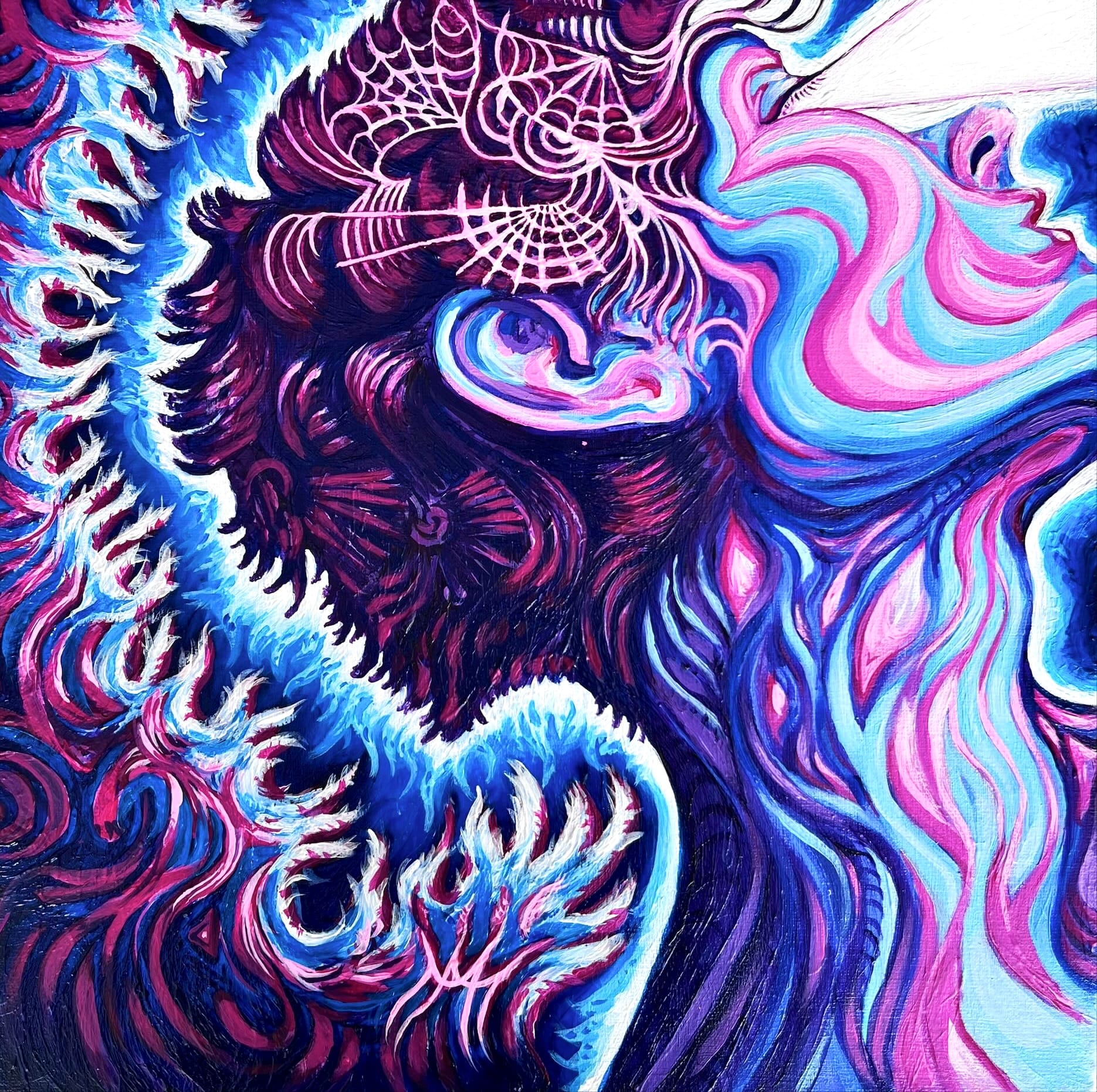
Revelations of the Silo
quick movements
staggered steps
jagged breaths
arms outstretched
i sense a punch caving in my chest
while eye-lined eyes spin dark and possessed
forgive my insanity
monologues, not prose, exposing the vanity
chains broke the lock,
so lines pour down my throat intentions awoke,
soaked in drunk lights and smoke
impatience invading the usual pace
makeup called panic moisturises your face
passed with just guess to bullshit the test
and erased questions left to forgive for the best
does this make sense to you?
if it doesn’t, please clean your mess
left mine at the door,
she’s dead on the floor
cracked up her core
with an old broken oar
unstoppable pounding counting up the score
gasoline pours incineration galore
glory I wore for interior war
now, my eyes move quick in
slippery wet licks dissecting all bits
inquisitive politics
still tripping inside,
i gulp cups of pride crispy and salty
like fucks deep fried
a potion full of tries risking to confide
elixir for scars tracing the joyrides and many times I died
scripture unsung waits in my lung
hollering out to find where i belong
my incomplete tapestry by these stars
hung threads from the planets keeping stories strung
*sigh*
stick true to your lie
honest when i sigh
i've dropped the deceiving too late to be grieving
there's so much to align
where is all the wine?
fuel as i dance out towards the front line
dancing on the ashes of the given guidelines
heed the clock chime counting down the time
keep flipping my dimes
in mist and sublime
On the writing process
The same way the pages of a journal will always be open for you, so will your notes app. I realised mine was simply more accessible, and it became the place where my poetry quietly blossomed. I use poetry as a second journal, except instead of explaining my thoughts and feelings, I could describe them through imagery and symbolism. I write whenever inspiration strikes, whether it's a tightness in my chest, a sentence I don't want to lose, or an emotion that refuses to settle. I write down the first line and let my stream of consciousness take over, as though I'm recording my thoughts in real time.
I'm not tied to any particular place to write. Poems have begun on buses, in parks, clubs, on trains, in bed, even the bathroom!
I like rereading my poems. Together they hold the story of the last four years: the people who have shaped me, the memories I treasure and regret, the moments I thought I'd never survive, and the small epiphanies that slowly rebuilt me. When a poem continues to resonate with me, I move it into a separate document or publish it on my Substack (@maria3331), where I begin editing.
As much as I like free writing, I find great satisfaction in rhythm, rhyme, and musicality. My brain naturally searches for sounds that echo one another, and sometimes I have to stop myself from inventing words just because they feel right (although that doesn't always stop me). I read each poem again to discover what rhythm it has, to have a melody of its own. Looking up rhyming words often leads me somewhere unexpected, revealing images or ideas I hadn't considered before. The editing process expands the poem. More recently though, I try to edit my poems less to let them sit. Looking back at my original words, I don't want to interfere with the purity of the moment that wrote them. I want to preserve that version of myself and what she has to say.
As a painter as well as a writer, I think visually and physically. Emotions become textures, colours, wounds, weather, skin, objects, and creatures. My experiences as a German-Colombian who has lived in Berlin, New York, St Andrews, Bogotá, and London shape my themes of beauty, grief, memory, vulnerability, love, rebirth, and environmental realities.
My poems are evidence that I had survived each version of myself. They remind me that healing isn't about forgetting who you've been; it's about learning to listen to her and see her with compassion.
Favourite poets, poetry nights, books or other resources:
Having had my childhood in Berlin, I was taught to memorise Goethe’s Erlkonig. I can still recite its opening lines and adore the poem's musicality, how rhythm and rhyme can create melody without music. I enjoy imitating that songlike quality.
The first poetry book I read was Let Us Believe in the Beginning of the Cold Season by Forough Farrokhzad. Although I read her work in English translation from Persian, her rebellious, passionate, and grieving voice carved its way into my own. She is abstract, blending the carnal and spiritual. Reading her poems translated from Persian and of a different time, I felt seen and freer, as my messages emerge when I’m writing through the body, similar to her.
I am still new to the poetry scene and am always looking for recommendations for poetry nights, open mics, and writers to discover. Please reach out—I would love to connect.
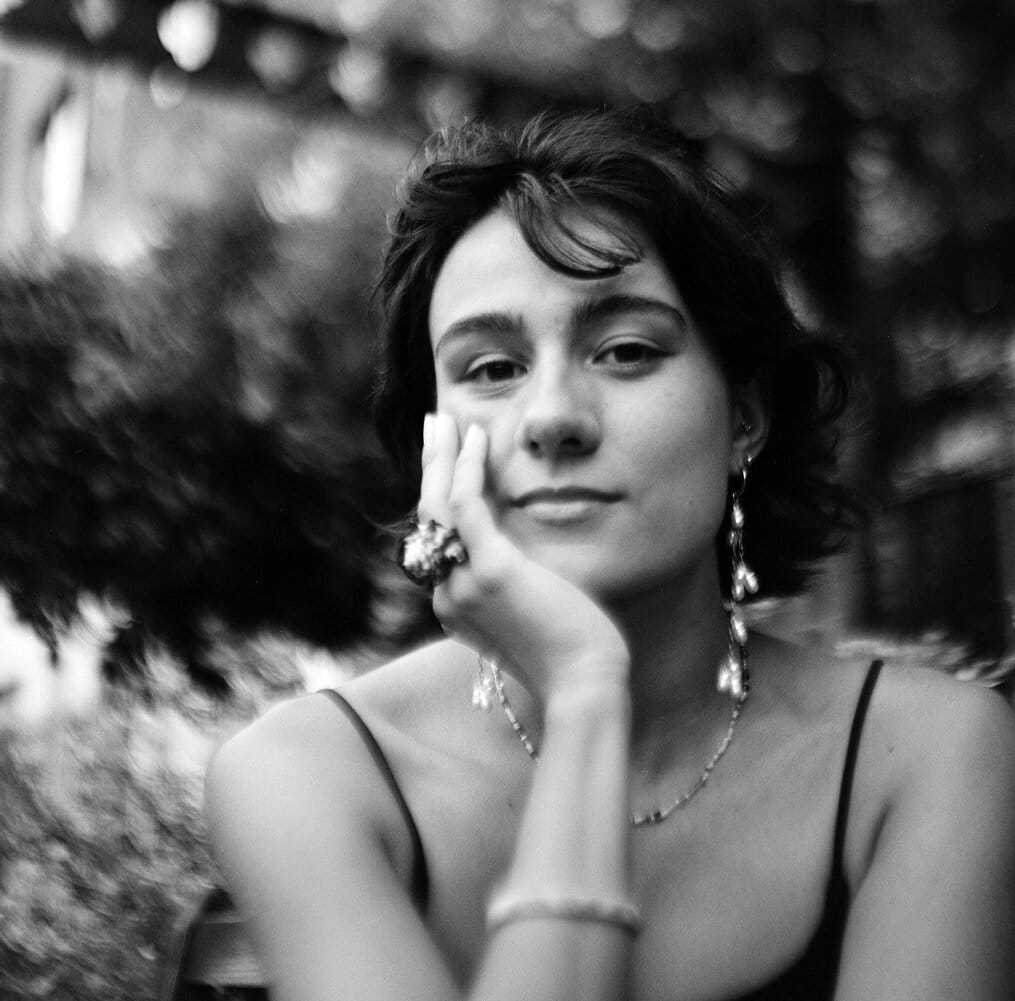
Follow Maria:
Instagram
Substack
Portfolio
Write Speak Recover, in collaboration with TheNeverPress is an open, free collection of original portraits of poets using their art to find strength in their recovery journey from any form of dis-ease.
We invite you to follow Write Speak Recover on Instagram and to reach out to Tim Foley at WSR or us directly at the zine to learn more, or put yourself forward to be featured in this initiative.
Hit the logo for more Write Speak Recover content 👇
If you need support, here are some resources:
Samaritans
Alcohol Change
Recovery Dharma
Alcoholics Anonymous
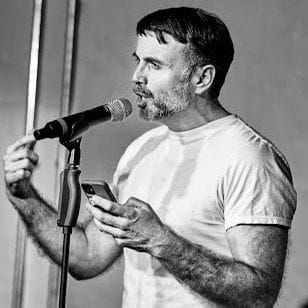
This article was brought to you by Tim Foley and Graham Thomas.