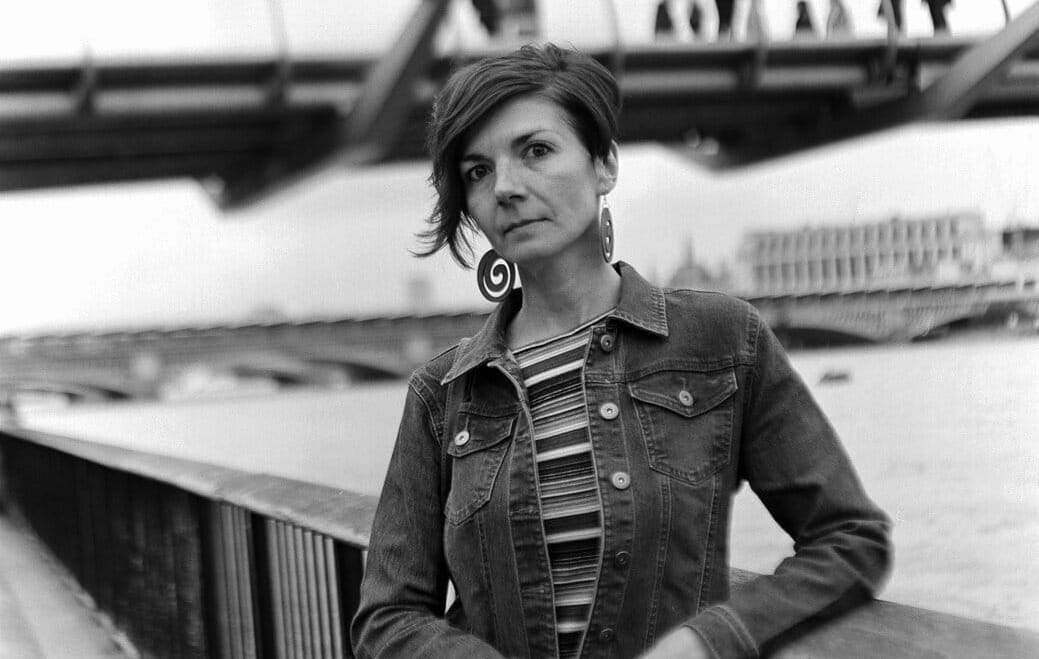
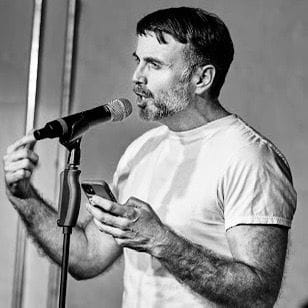
'I met Adriana at the Sober AF poetry night at Club Soda, which was a wonderful, soulful poetry night that is sadly now no more. The clue is in the name that the night usually steered towards stories of sobriety and recovery, though it was a welcoming place for anyone and any form of poetry. The room always felt alive and it was easy to get lost in each other's words and make fast friends. Adriana captured me with her depth of exploration of self and I was even more intrigued when I discovered she is a sobriety coach. Someone I could have really done with a few years ago! Adriana and I have connected on poetry, writing and the complicated journey of recovery. This edition of WSR speaks closely to my experience in sobriety. We have talked about navigating our society without alcohol, and how making a healthy choice carries a stigma. Sometimes needing to alter ourselves and craft our stories carefully so that others don’t feel uncomfortable with our choices to be sober. Adriana’s poem, especially speaks to that, and to me, and I hope it will speak to you too.' - Tim Foley, Founder, Write Speak Recover
Please be mindful WSR content can be thematically sensitive.
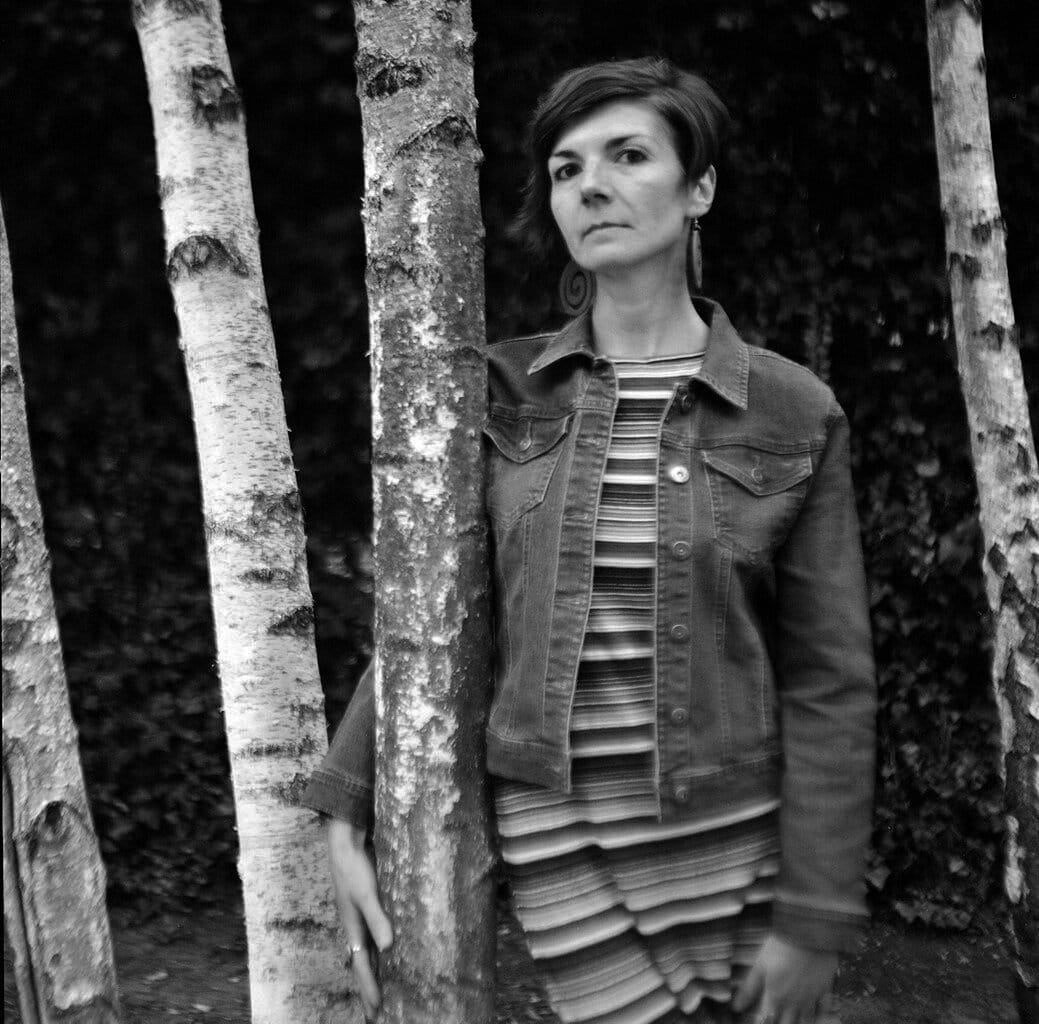
Adriana
I’m a poet, sobriety coach, and hypnotist. For me, writing and recovery are intertwined, both in my personal life and in my professional life. I’ve been writing poems for more than 30 years, since I was a teenager. Poetry has been a way for me to connect to the world and try to find my place in it. I write because poetry helps me to capture the fragile, beautiful, terrifying, and exhilarating experience of being alive.
For many years, throughout my twenties and thirties, I often wrote late at night while drinking. I believed that alcohol helped me to write – that somehow, when I was drinking, it was easier to connect with my muse. Wine was like inspiration in a glass because it helped to shut off my inner critic and get words out on the page without worrying so much if they were the “right” words or not.
But over the years, my drinking got worse. More and more, I was starting to rely on the alcohol to get me through the day. If I was stressed or overwhelmed, I drank to relax. If I was happy, alcohol helped me to celebrate and have fun. If I was with friends, drinking was a fun bonding ritual. If I was home alone, I drank to quiet the loneliness. From a little habit, my drinking gradually developed into a dependence.
Several years went by from when I first knew I was drinking too much until I was finally ready to do something about it. I was scared of who I would be if I quit drinking. I was worried my friends wouldn’t like me or want to hang out with me. I thought I wouldn’t be fun or interesting as a non-drinker.
But I also knew that continuing to drink the way I was drinking was not an option. I was ruining my health, for one thing, but I was also deeply embarrassed that I had allowed alcohol to take over my life. I was filled with shame and self-loathing, and eventually there came a time when I didn’t want to be that person anymore. I didn’t want to be stuck in the vicious cycle of feeling bad because I was drinking too much, and then drinking because I felt so bad. I didn’t want to feel like I was at the mercy of alcohol. I wanted to be free.
Now I’m five years sober and I’m a certified sobriety coach and hypnotist helping other people to break up with alcohol and free themselves. I love being sober, and I love that I get to help others rediscover their joy in sobriety.
Instructions for Making Small Talk After You Quit Drinking
In my dream the shot burns like I know it would:
hot shards of sky, instant high tide.
It’s only after I slam the glass down that I remember
I’m no longer drinking.
The instant regret is muscle-familiar too.
At dinner, my friend’s dad asks if I’ve noticed any benefits
after several months of abstinence.
Everyone turns to look at me
over their greasy glasses of wine.
What do I tell him?
About how I used to black out every night
and could not remember getting home
or how my hands shook
like a small storm of shame
until I could close them around a pint glass?
How I woke up on the floor one night
still in my coat?
Or how I cried every day for two years?
I tell him my sleep has improved,
which isn’t even true,
but it ferries us safely beyond the topic.
In my dream all I could think about
was the counter app on my phone
and the ghost of another Day 1.
On the writing process
When I was first trying to get sober, I struggled to write. I felt completely disconnected from my creativity – partly because I had that old story that my drinking was helping me to write. And if I was no longer drinking, how was I supposed to write? How does anyone write sober, I wondered?
It was a painful time in my life. I felt like a snow globe that had been shaken: I could no longer connect with myself, and I felt like I was waiting for the world to settle down. I was happy to get my drinking under control, but I felt blocked creatively. I wondered if I could even call myself a writer, since I was barely writing anymore, and the few poems I managed to write once in a blue moon felt very stilted.
But still, somewhere deep down, there was the pull to keep putting pen to paper, to try to capture fleeing scenes from my life or give voice to my emotions. Even though I wrote very little for a couple of years, I inevitably kept finding my way back to writing, even if it was just a quick line in my Notes app every now and then.
And as I got more comfortable in my sobriety and I got to know myself better without the filter of alcohol, gradually I reconnected to my creative side too. What helped me was releasing the expectation that every time I sat down to write, I would produce great work. Instead, I decided that just the act of showing up to write was already a win, no matter what words I wrote that day.
That’s still how I think of my creative practice today: I try to take myself and my work seriously enough to keep writing regularly. But rather than focusing on what I produce whenever I sit down to write, I choose to focus on and celebrate the act of writing itself. And when the practice is more important than the outcome, the pressure is gone, and it’s easier to let the words flow. I don’t have to be perfect. I just have to keep showing up.
Favourite poets, poetry nights, books or other resources:
I really like the Iranian American poet Kaveh Akbar, who writes about addiction and recovery in a really moving way that reminds me how grateful I am to be sober.
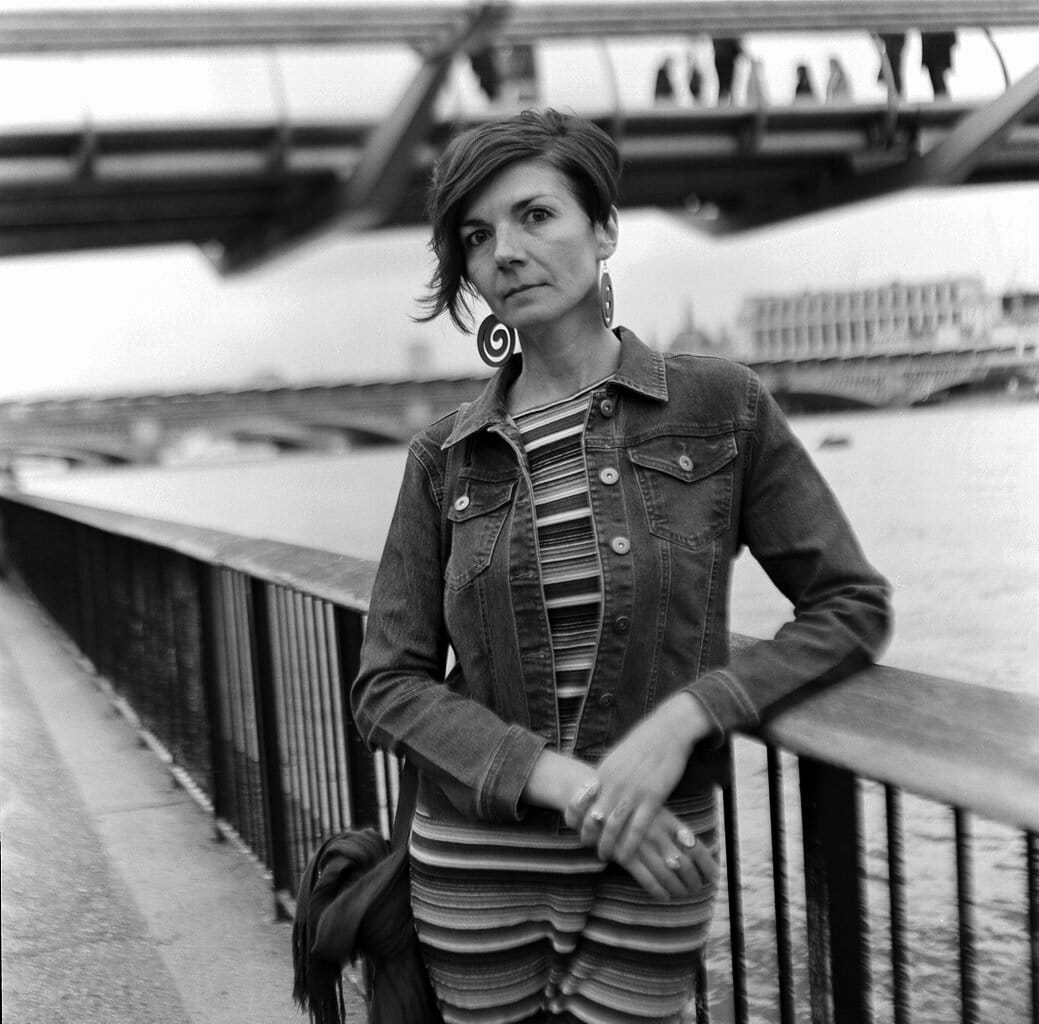
Write Speak Recover, in collaboration with TheNeverPress is an open, free collection of original portraits of poets using their art to find strength in their recovery journey from any form of dis-ease.
We invite you to follow Write Speak Recover on Instagram and to reach out to Tim Foley at WSR or us directly at the zine to learn more, or put yourself forward to be featured in this initiative.
Hit the logo for more Write Speak Recover content 👇
If you need support, here are some resources:
Samaritans
Alcohol Change
Recovery Dharma
Alcoholics Anonymous
Be kind. Stay present. One moment after the next.
This article was put together by Tim Foley, the WSR contributor and Graham Thomas.
PS - Don't forget to subscribe below for more content from TheNeverPress 👇