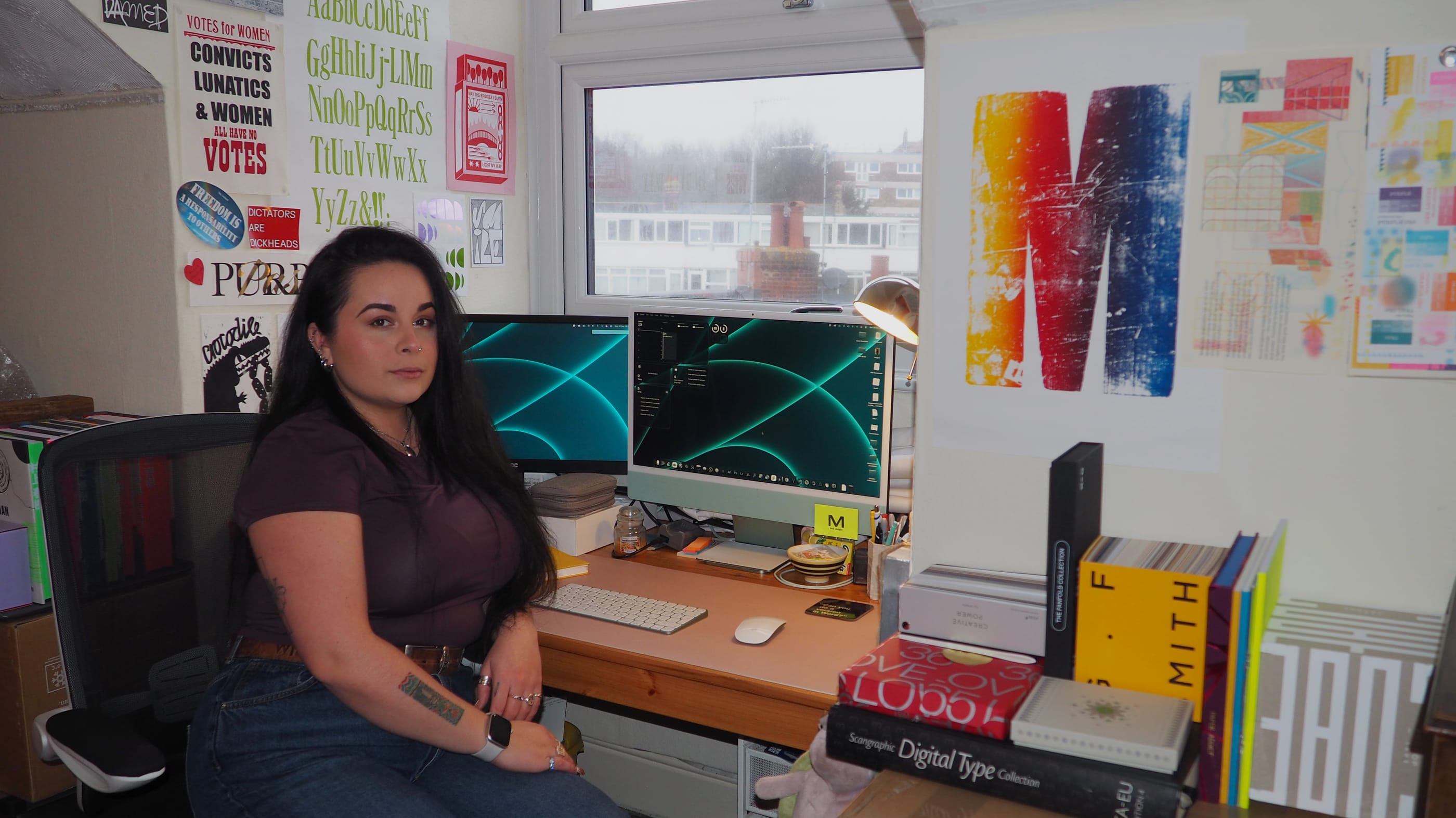
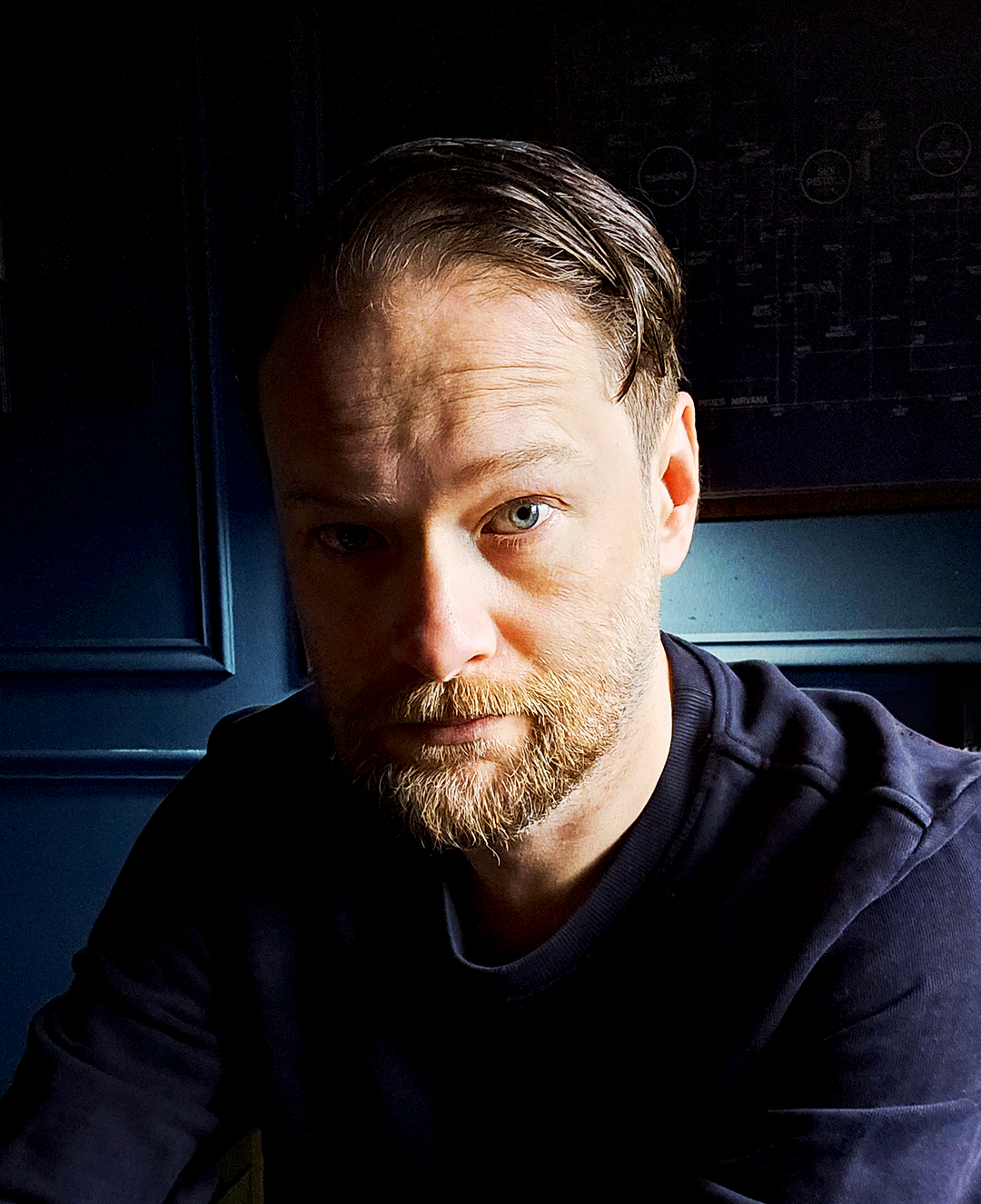
Things have meaning. Tangible, real - historic. We hold onto things, we bind ourselves to them and we hand them over. The homes for our stories, our histories and our understanding are in, among other vessels, books - and more specifically, printed books. The creation, binding and presenting of a book can be so cared for, so precise and considered, so loved in its manufacture that it becomes the sacred art itself. This is the distillation of all we're trying to do at TheNeverPress and every once in a while we come across an artist who believes in this the way that we do, and more than that, they are out there extolling this belief in their attitude and application. Today, we are privileged to bring you a conversation with such an artist - Maddi Almond, designer, typesetter, bookbinder and educator. Fully formed and clear is the voice, and so it's over to Maddi...
May you please take us through your creative journey?
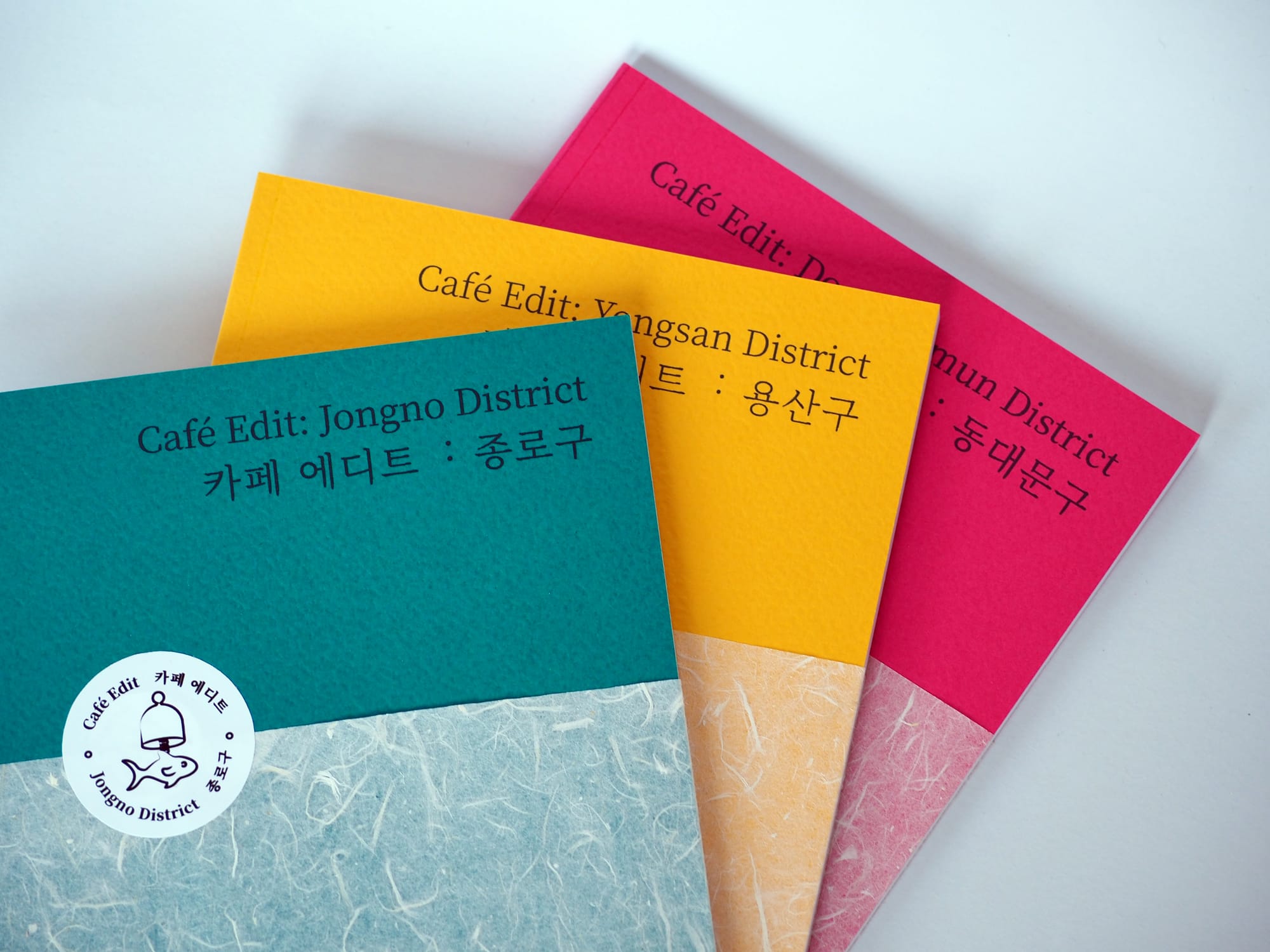
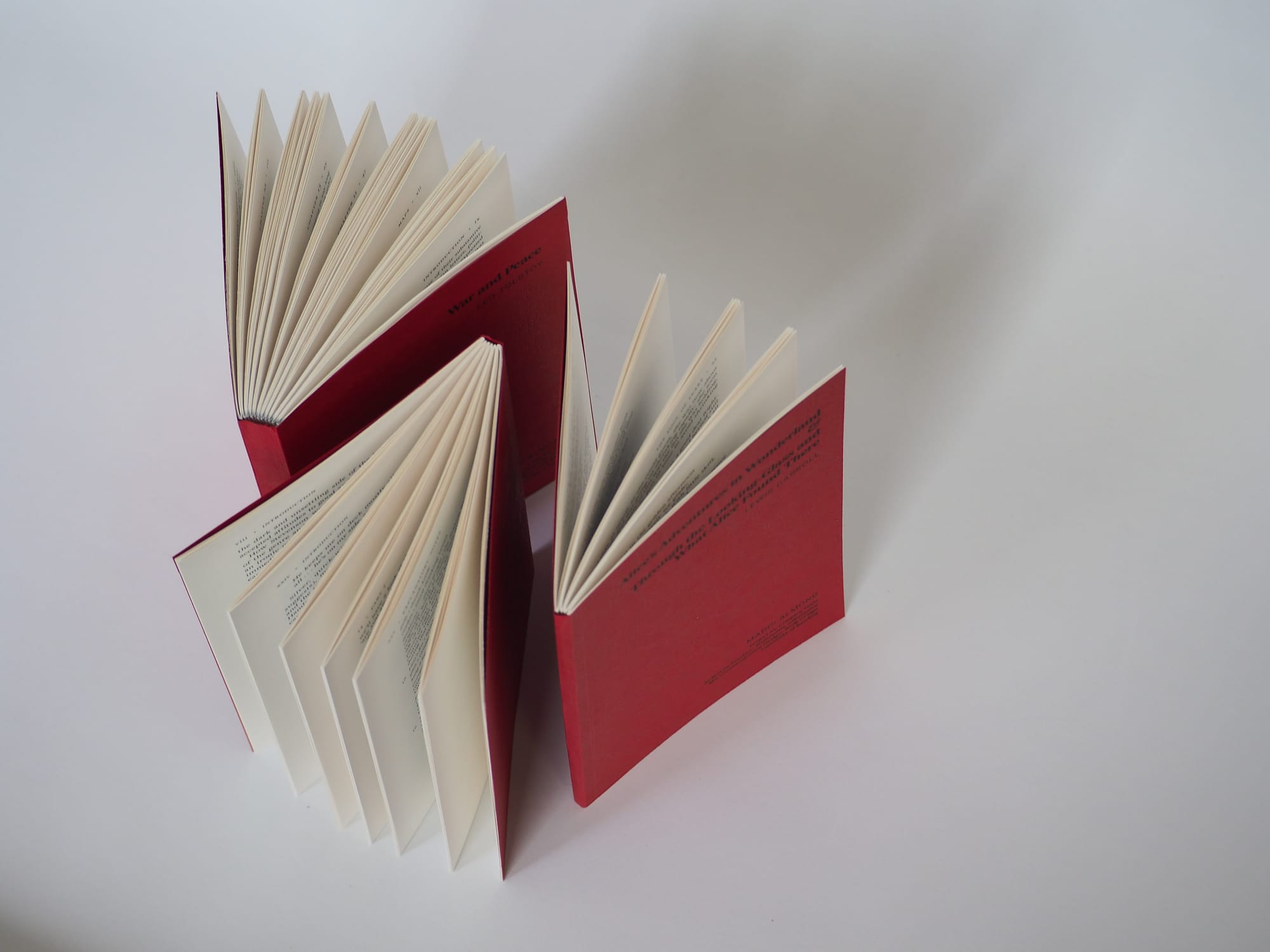
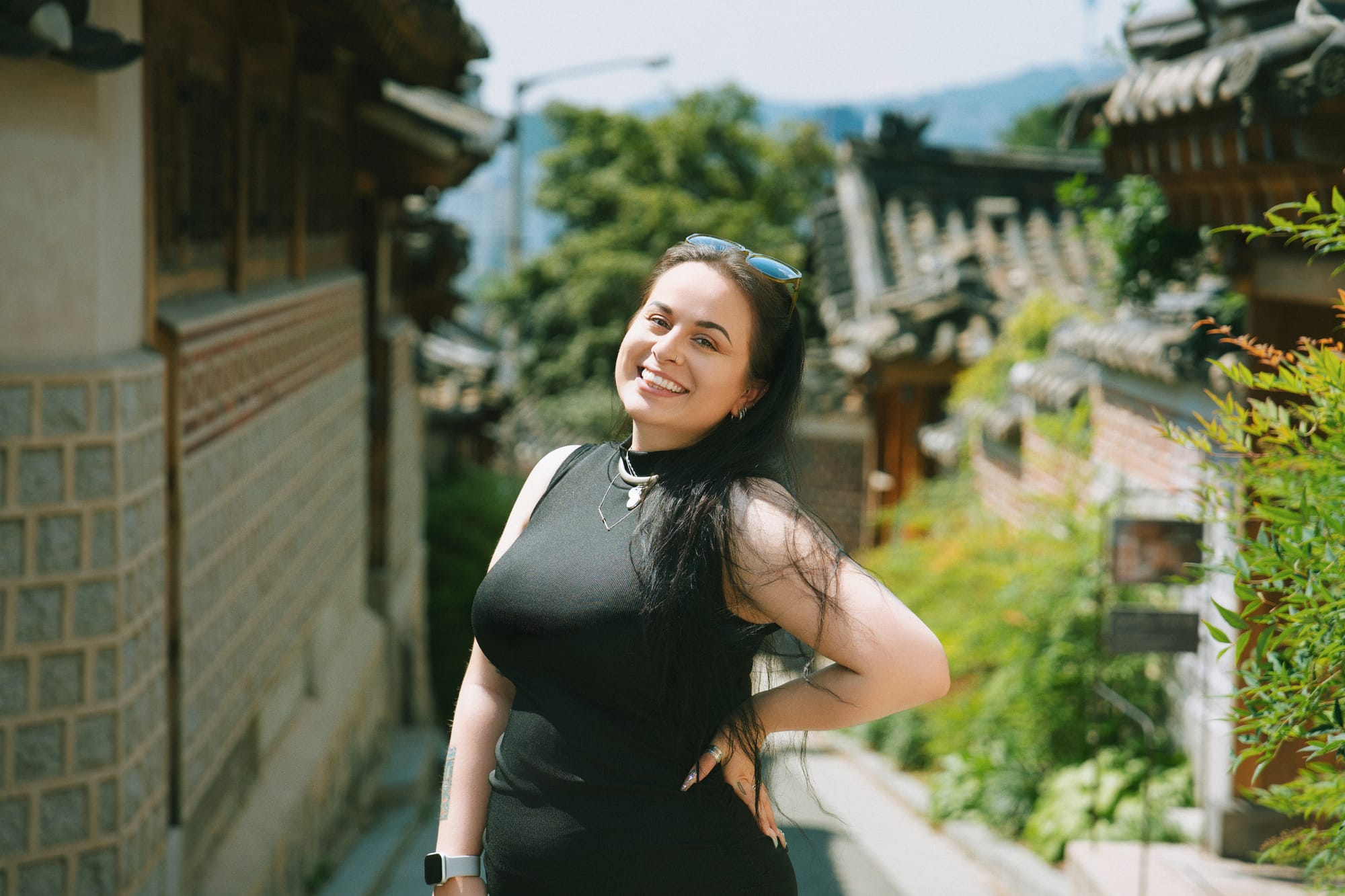
Ever since I was young I wanted to work in a creative field, the specialism shifted a few times over the years but I knew that creating things was my calling. When it came to selecting my A-Levels I decided to completely dedicate myself to a creative path and chose to do a BTEC and a Foundation Diploma in Art and Design. From there I completed my Bachelor of Arts in Graphic Design at the University of Brighton where I discovered a love for book binding and letterpress. I then held a variety of design jobs in independent studio internships, clothing brands and corporate data and marketing design. I found that the work I was doing in-house wasn’t fulfilling and so I took a break and lived in Seoul for three months which inspired me massively and unveiled a passion for multilingual design. In 2024 I began my Master of Arts degree in Book Design at the University of Reading where I developed my technical skills and historical understanding of design and book/print production and graduated in 2025 with a distinction and a portfolio of work I am infinitely proud of. Now I work with publishers and authors on book design projects, running bookbinding workshops and working on some community book restoration projects too.
What attracts you to print as a medium – both artistically and practically?
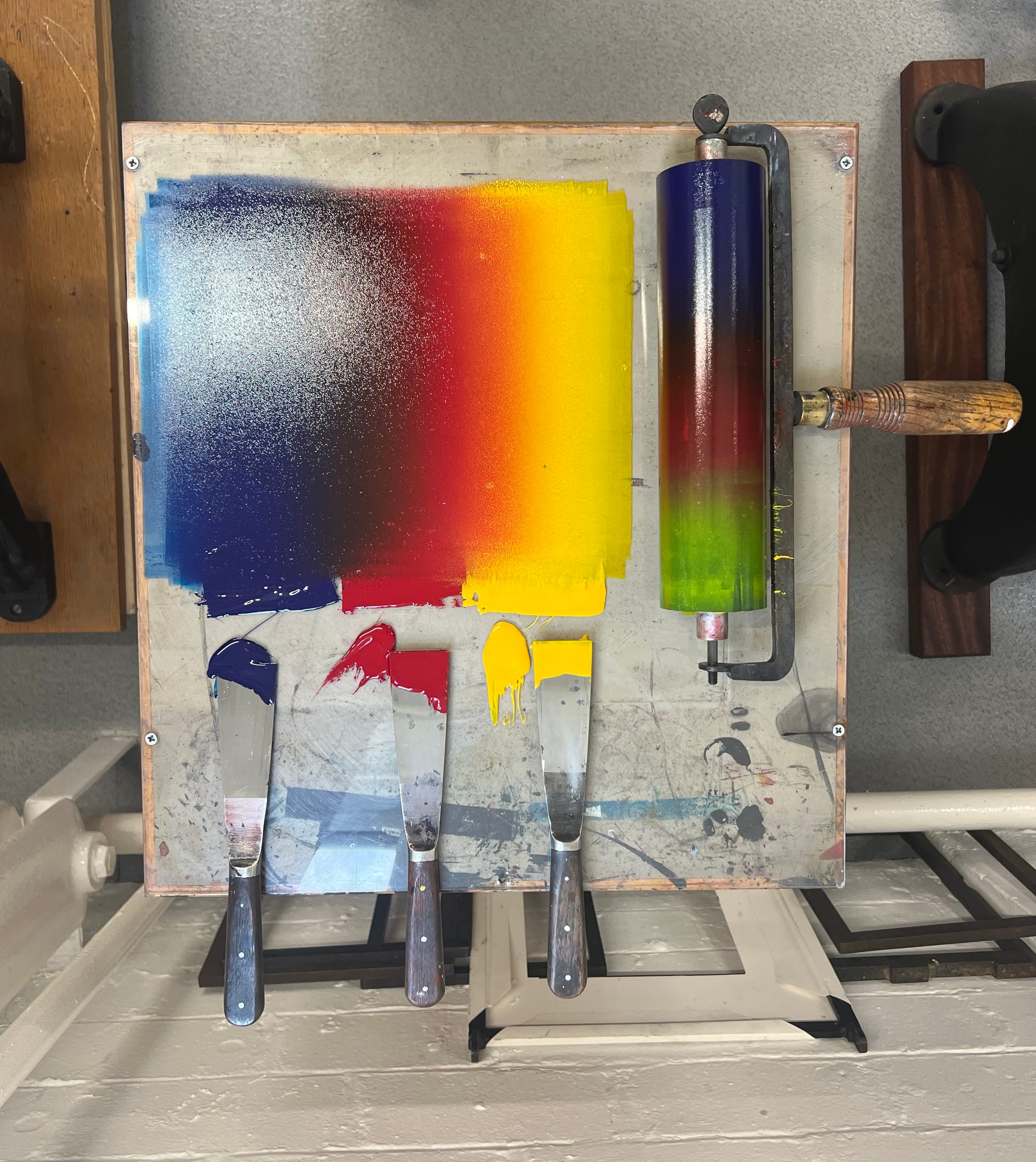
Growing up, books were a huge part of my life, I have so many memories of my mum reading to me before bed igniting in me a love of storytelling and appreciation of books. I loved that the pages of a book could unlock a whole new world. When starting my journey as a designer I explored digital-first processes but was always pulled back to print and books specifically. There is something so special about creating something you can hold in your hands and engage with on a physical, tactile level. Another reason I am so drawn to print is that today’s world is so digital-heavy and advertising is inescapable, everything requires creating an account or a subscription and it can feel like our decisions aren’t fully our own anymore. The world of print is entirely separated from that.
A book has no ulterior motive, printed matter cannot shift and change by the day, a book impacts your life without interrupting it, print is reliable and demands honesty, it holds people accountable in ways the digital world cannot.
May you take us through the actual steps of book creation from concept or brief to the physical item being held and cherished.
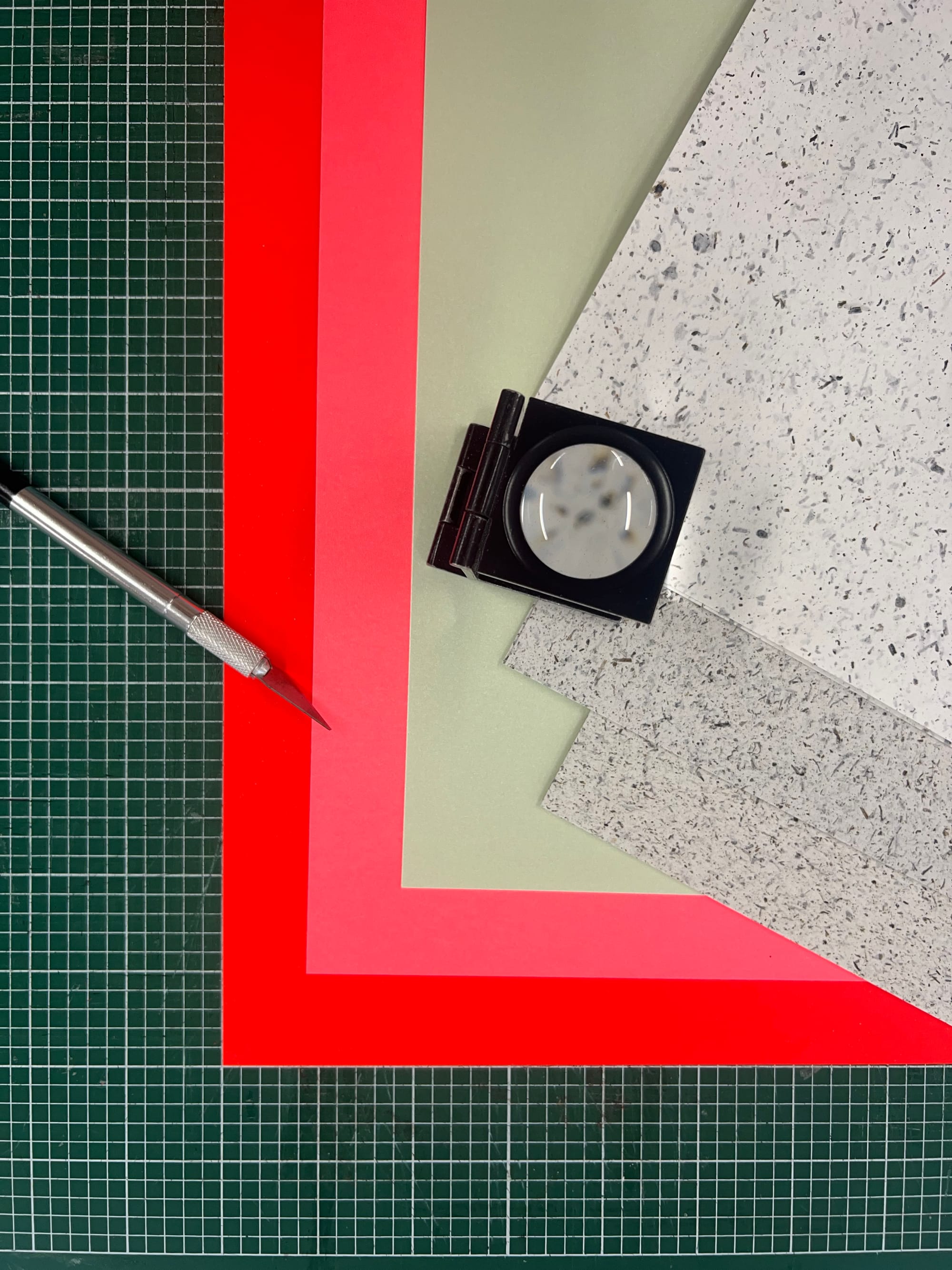
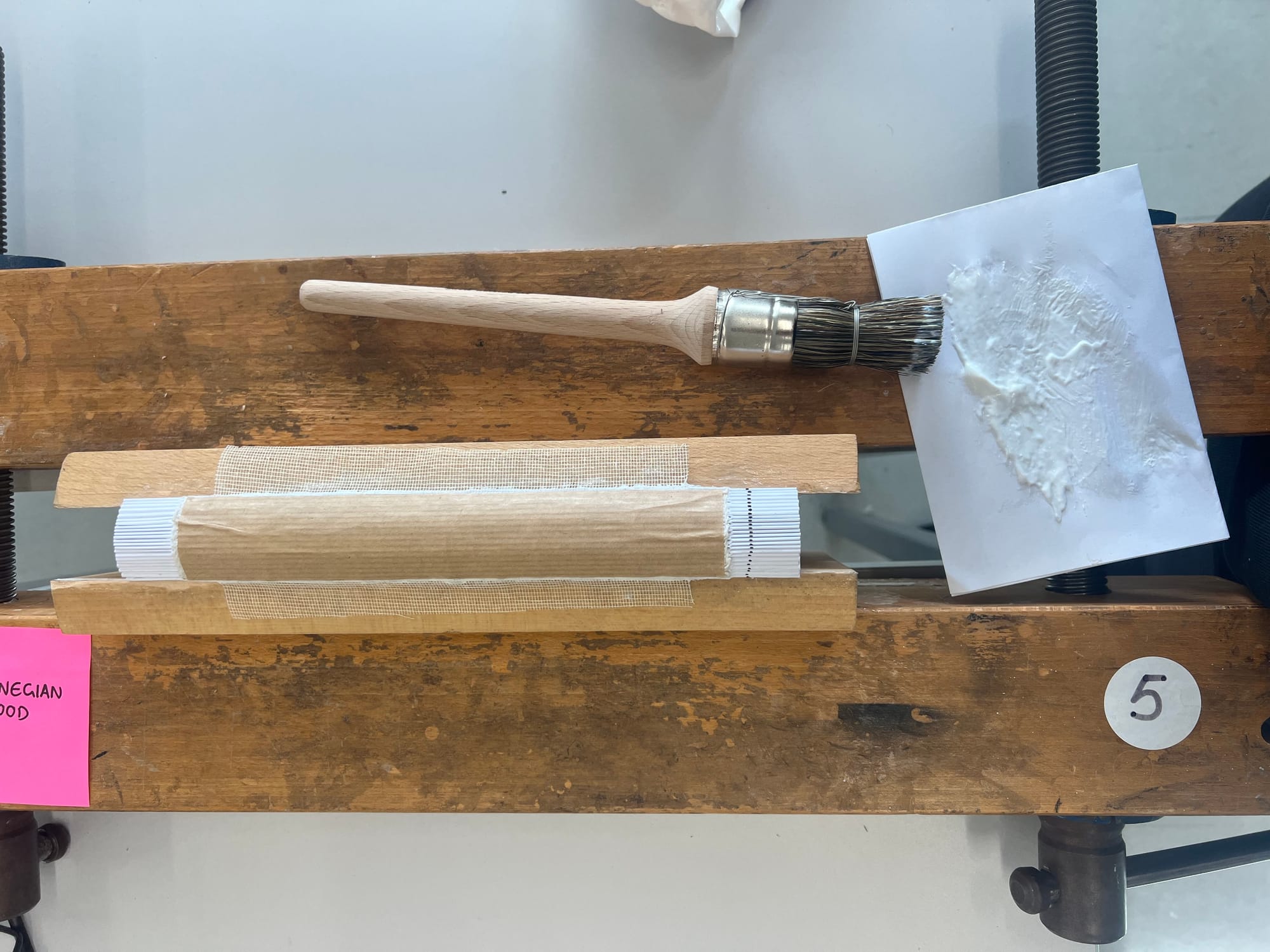
Of course every project is slightly different, but generally my first steps are to identify the key focusses or concept that are key to the brief and write down all the things that come to mind relating to them and how they could connect to create a concept that fulfils the brief. At this stage nothing is off the table, the wilder the better. Contrary to how a lot of designers’ work, the physical structure of a book is always at the beginning of my design process as I see the design and structure of a book to be parts of a whole and should always be constructed in tandem. Once I have one or two solid concepts in mind, I always create test copies to the intended specifications (hand binding, printing processes, finishing options) to trouble shoot any issues and act as a proof of concept going into the final development stage. For me the accuracy of these proof copies ensures the success of the project and always helps to sell the dream much more successfully than a digital render.
You describe your work as ‘precise, enduring and built with care’ – why are these values at the forefront of your philosophy?
I’m not afraid to admit that I can be a bit of a perfectionist and take great pride in my work, if a client is employing my skills to realise their vision, they deserve to have the best possible outcome that they can be proud of too. For me, working with a medium that has such a long and rich history, I feel a responsibility to do justice to those before me who brought print and book design to where it is now. Taking the time to ensure everything I create is made with care, consideration and can stand the test of time to me is the true mark of a job well done. Everything worth doing is worth doing well.
What three (or more) things should be at the heart of a designer’s process when starting out on a project – what should guide them through?
This is something I’ve been thinking about for a while, and I’ve landed on these three core words: Purpose. Passion. Respect.
Purpose: Every project has a point, a meaning that must be communicated to the audience, you must be clear on the true aim of a project to do it justice.
Passion: Both within yourself and from the client. Passion for your practice is what makes you stand out in the crowd and creates meaningful and believable work. Uniting your passion with a client’s passion is always a recipe for success.
Respect: Sometimes being a good designer can feel like a constant battle to balance your ego and your humility, especially if you don’t always see eye-to-eye with a client or collaborator. It’s important to understand that everyone has different outlooks and preferences, respecting that in every element of a project will always result in a positive outcome and better working relationships.
Your work is highly concept-driven, moving beyond simple cover design and typesetting into a space where your works are art pieces. Can you talk us through this differentiation and where it comes from?
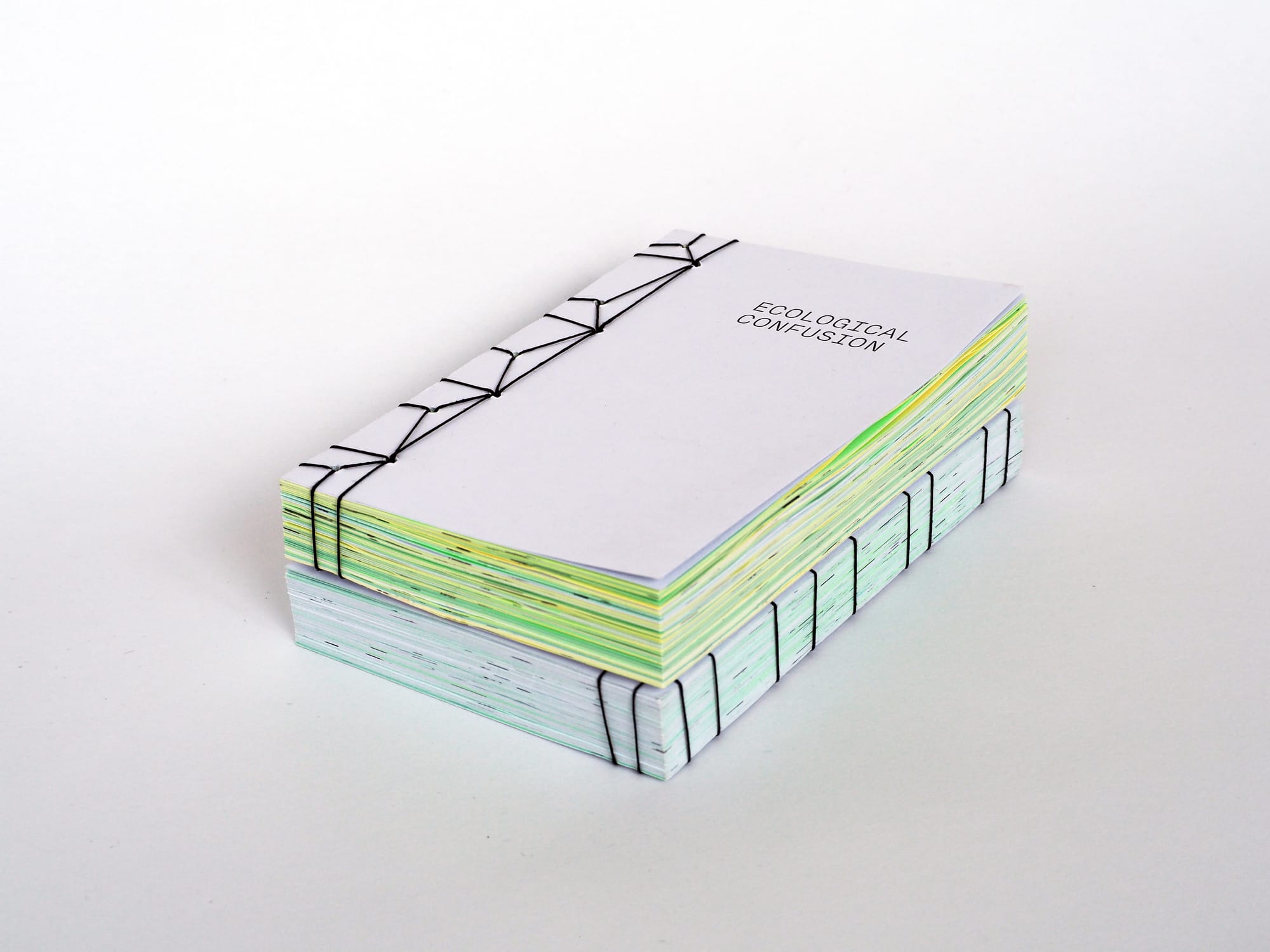
Initially my love for design came from a place closer to fine art than graphic design, I would often visit art galleries as a child which still to this day is one of my favourite ways to spend a day. I pull a lot of inspiration from fine art and from places that aren’t book related which I think helps my concepts feel fuller than the average cover design. I see a book as more than just words on a page, I view it as a three-dimensional object to be engaged with, touched, felt and treasured, a living breathing thing. Because I see the book in this way, I try to create concepts that make other people see them in the same way, to connect the author to the work and the work to the audience in a way that feels meaningful.
11:59:58 is a great example of your concept-driven artwork. May you please take us through this project?
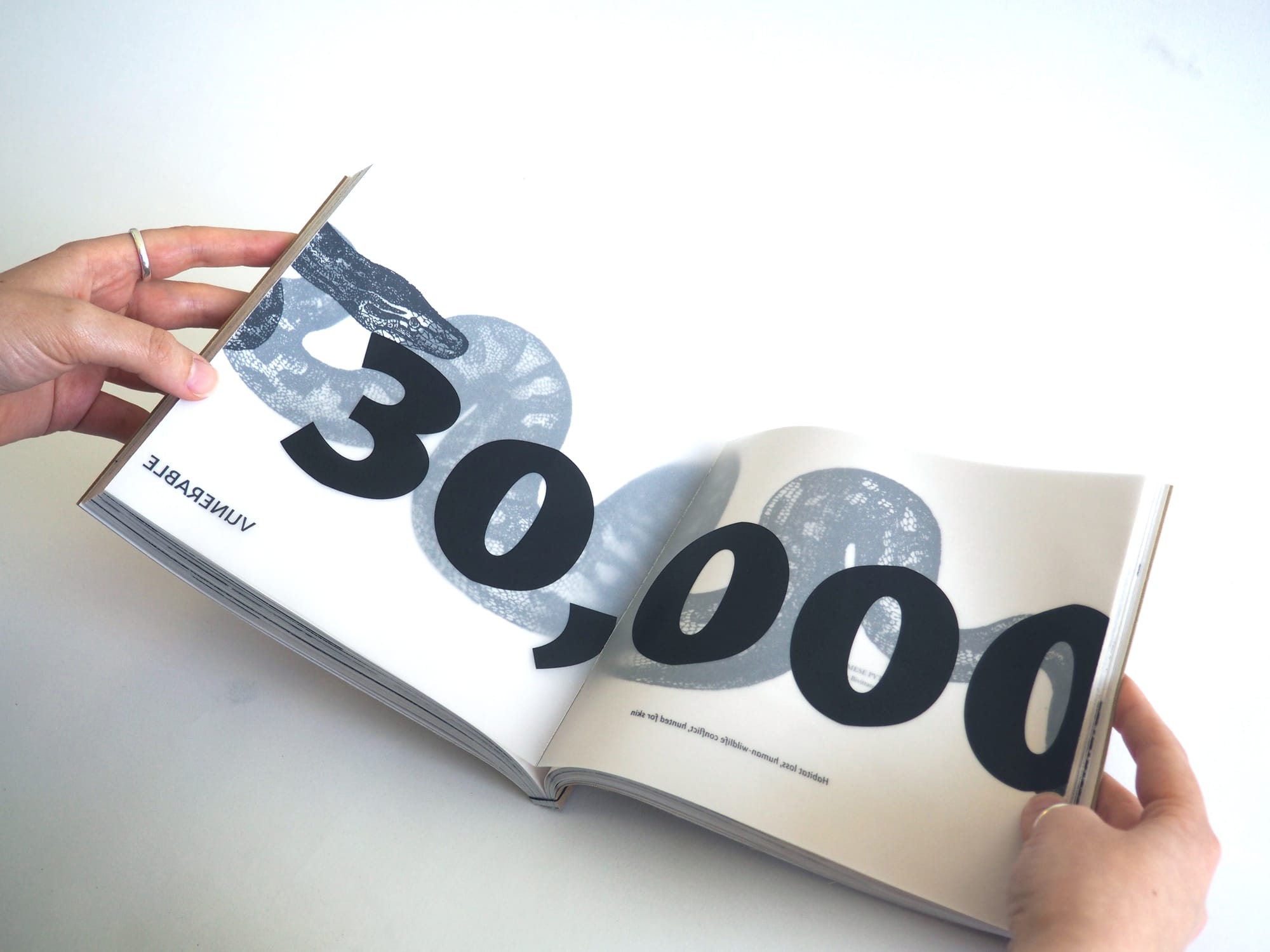
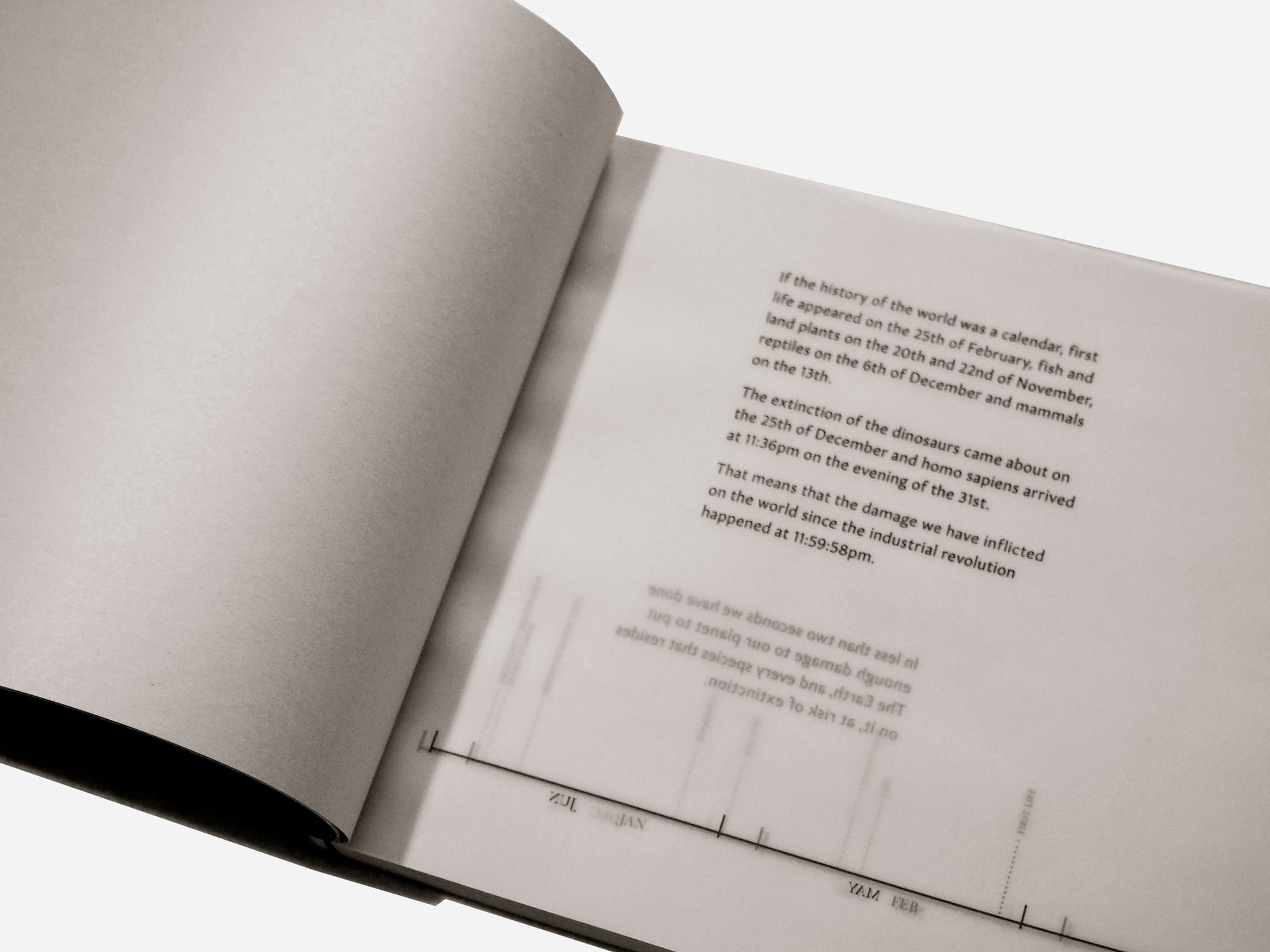
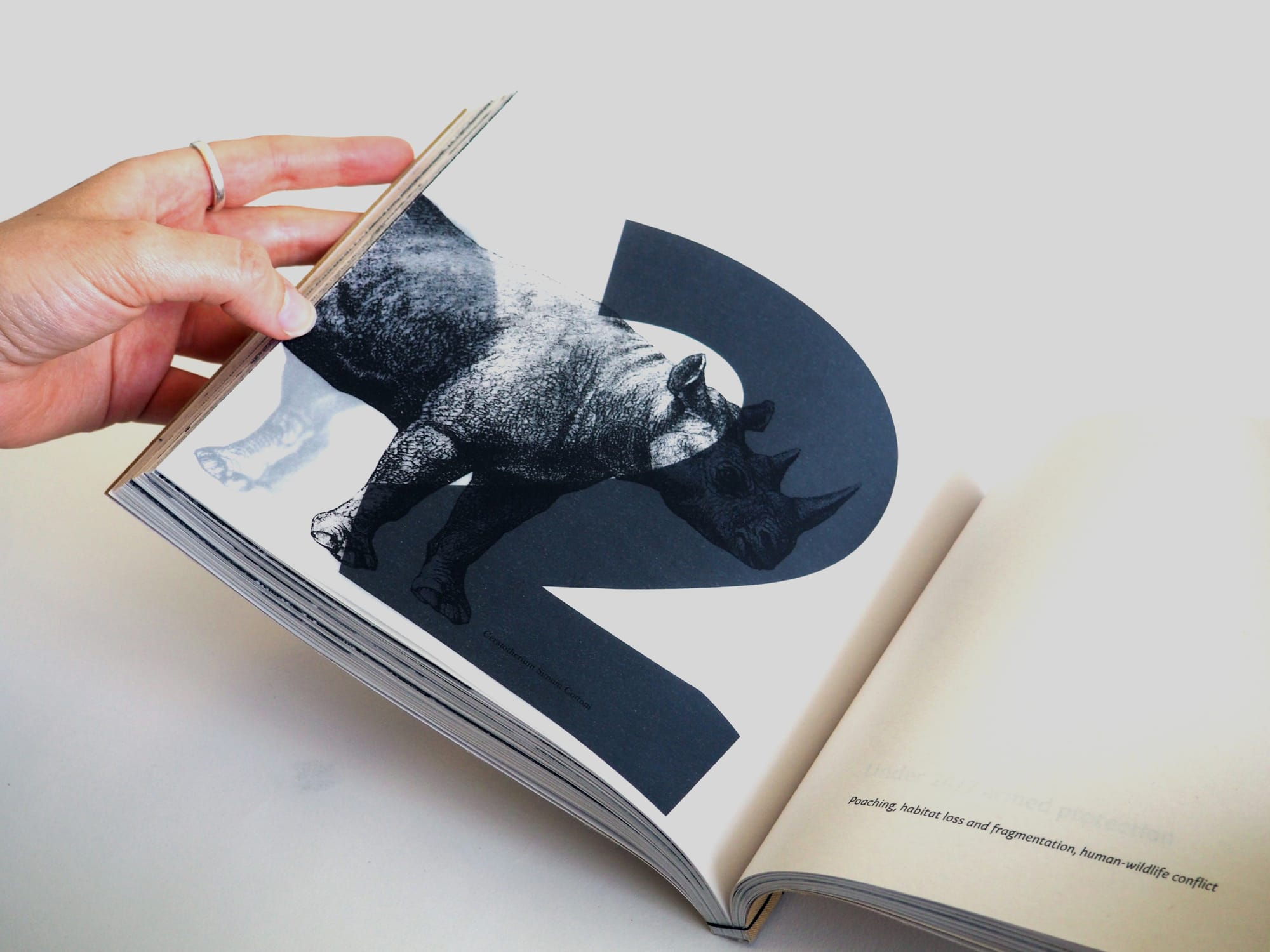
11:59:58 is a commentary on the current extinction crisis and the impact that the human race has had. The name comes from the idea that if the history of the world was condensed into a single calendar year, dinosaurs became extinct on December 25th and Homo Sapiens arrived at 11:36pm on the 31st. The industrial revolution began at 11:59:58 meaning, in less than two seconds, we have done enough damage to our planet to put everything on it at risk of extinction. This is a truly shocking statistic and demands attention. When creating this book I wanted to incite a desire for change. Using a French fold structure, and two paper stocks, the design requires the reader to physically tear through images of endangered species to access the content explaining the risk factors and revealing the number of animals remaining in the wild. Naturally most people dislike damaging a book and so forcing people to make a conscious choice to destroy the image made them uncomfortable and made them confront the impact humans have on Earth. My intention was always to push this project further and use it to drive a larger campaign for awareness of this issue and I’m now making steps to pursue this and hope to bring the project to a wider audience in the near future.
Designing and creating physical products today takes a lot of time, effort and resource – are these luxuries, or are physical things important to us at a core level?
I think both are true to some degree. Hand-crafted books and collectors’ editions are definitely a luxury, they are not a necessity, but they are still highly valued and give an opportunity for people to have a beautiful book to treasure. However, books in the lower end market are absolutely necessary at a core level. A book is accessible to people from all backgrounds through bookshops and libraries, the education and escape from reality that can be found in the pages of a book can change lives. Where some people will be excluded from digital content by issues with accessibility a physical, printed version will always be available somewhere.
Aside from social need, physical things hold memories, nobody has a fond memory of a website or an Instagram post, but everybody can recall a moment when a book made them feel something.
How do you keep your eyes fixed on realising the vision when you’re dealing with all the practical challenges of bookmaking?
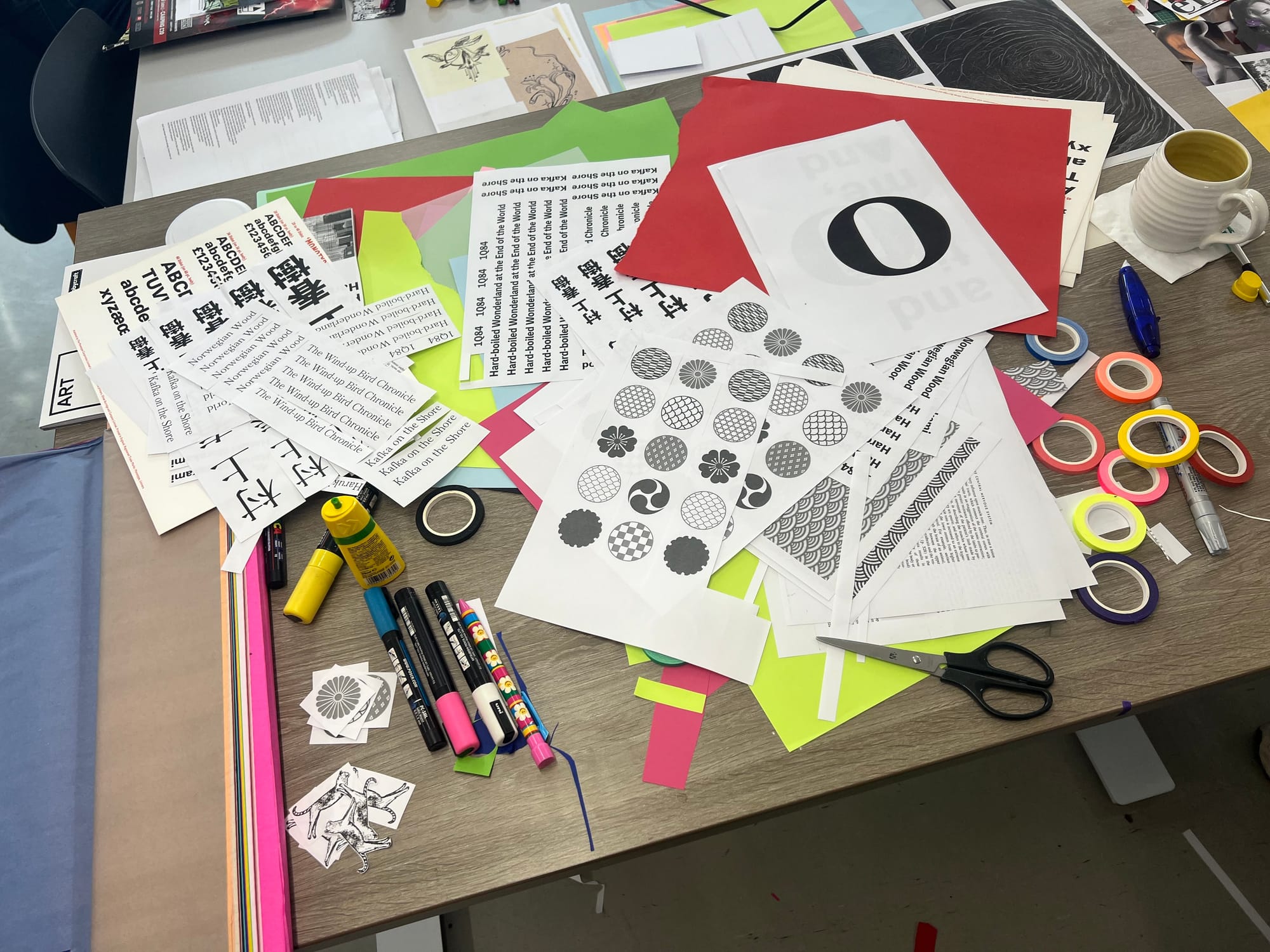
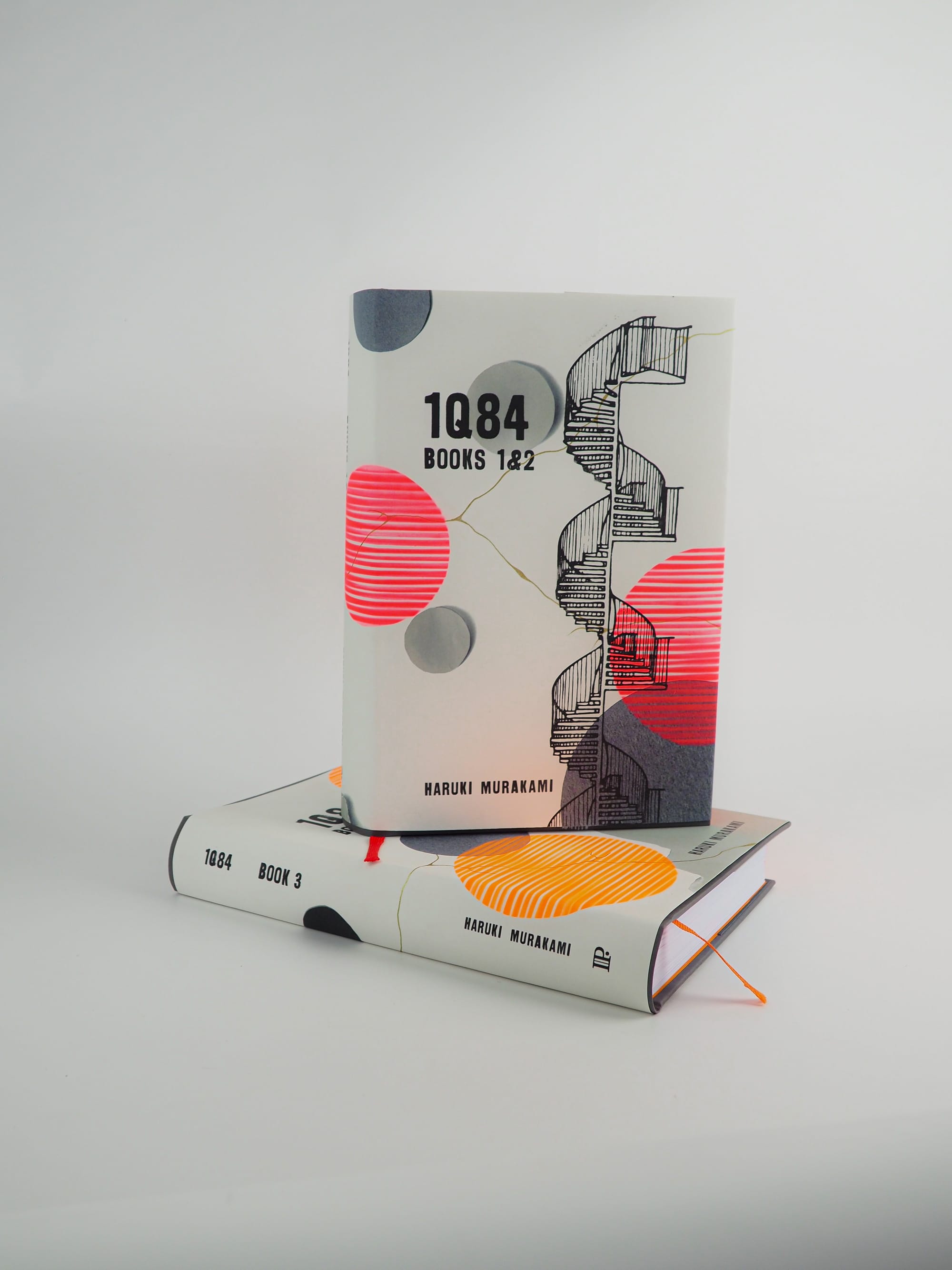
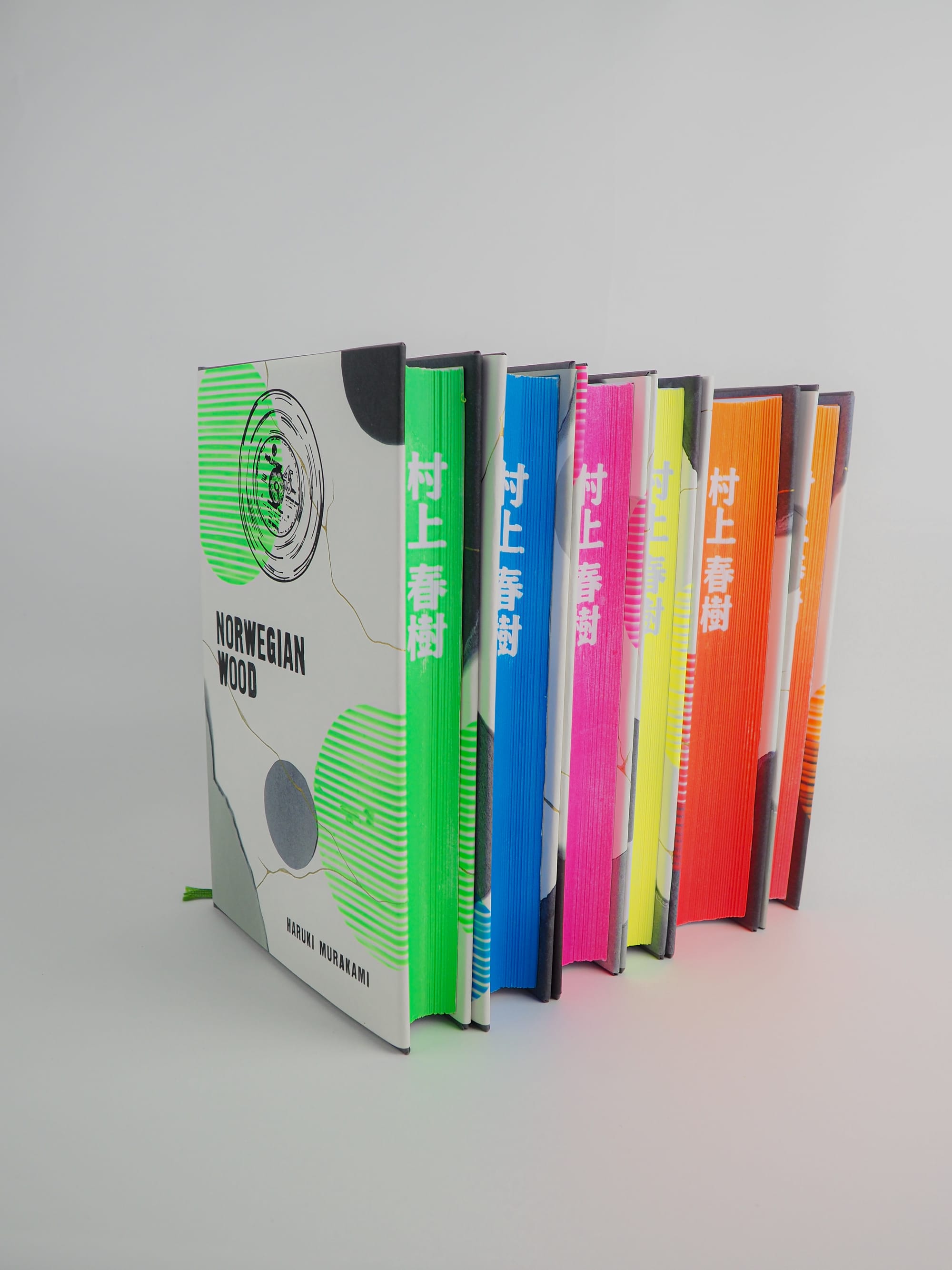
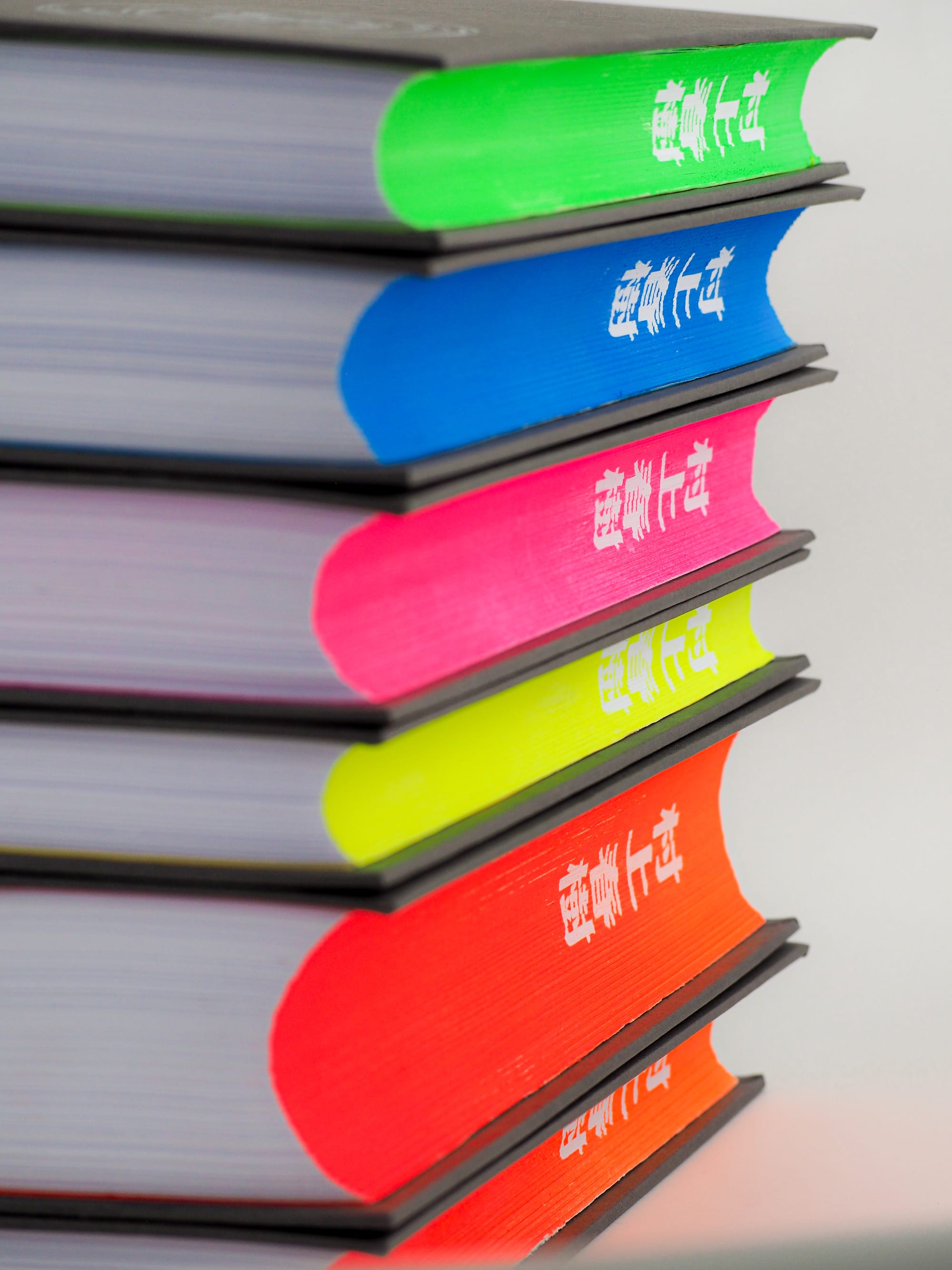
For me those challenges are as much a part of the design process as the core visual is as they are an absolute certainty in any physical making project. As much as I am a perfectionist, I also understand that any practical task is unpredictable and so anticipating that there will be practical problems to solve along the way keeps my mind open and ideas flexible making changes or compromises easier to deal with. When working on the Haruki Murakami collectors’ editions series design recently I encountered many practical problems along the way that forced me to adjust my plan, for example, initially I wanted to use white foiling on the hardcovers but, in testing, the foil couldn’t hold the detail of the illustrations on the textured covering material so I had to switch to a UV spot print. Ultimately, I find that if I am clear on the concept and purpose of my design, the practicality of production becomes an opportunity for exploration rather than a problem.
How collaborative are you on projects – how important is that skillset?
I’ve been lucky enough to work in some amazing teams in my previous jobs and I really enjoy collaborative work. I think it’s short sighted to assume that you can always work independently as nobody is an expert in everything. On my Murakami collection I worked in collaboration with type designer Roy Chan using his multiscript typeface Duoson to ensure the type was as appropriate for the Japanese influence in the design as the imagery was. Working collaboratively can not only make your life a lot easier on tricky projects, but it also enriches your practice as you learn so much from other creatives. Now I am working as a freelance designer, the majority of my projects are solo endeavours – not including the clients and printers who of course are always integral collaborative partners – and I do enjoy the creative freedom that comes from lone working, but being able to collaborate effectively is an absolutely integral skill for any designer to have.
How do you like to work?
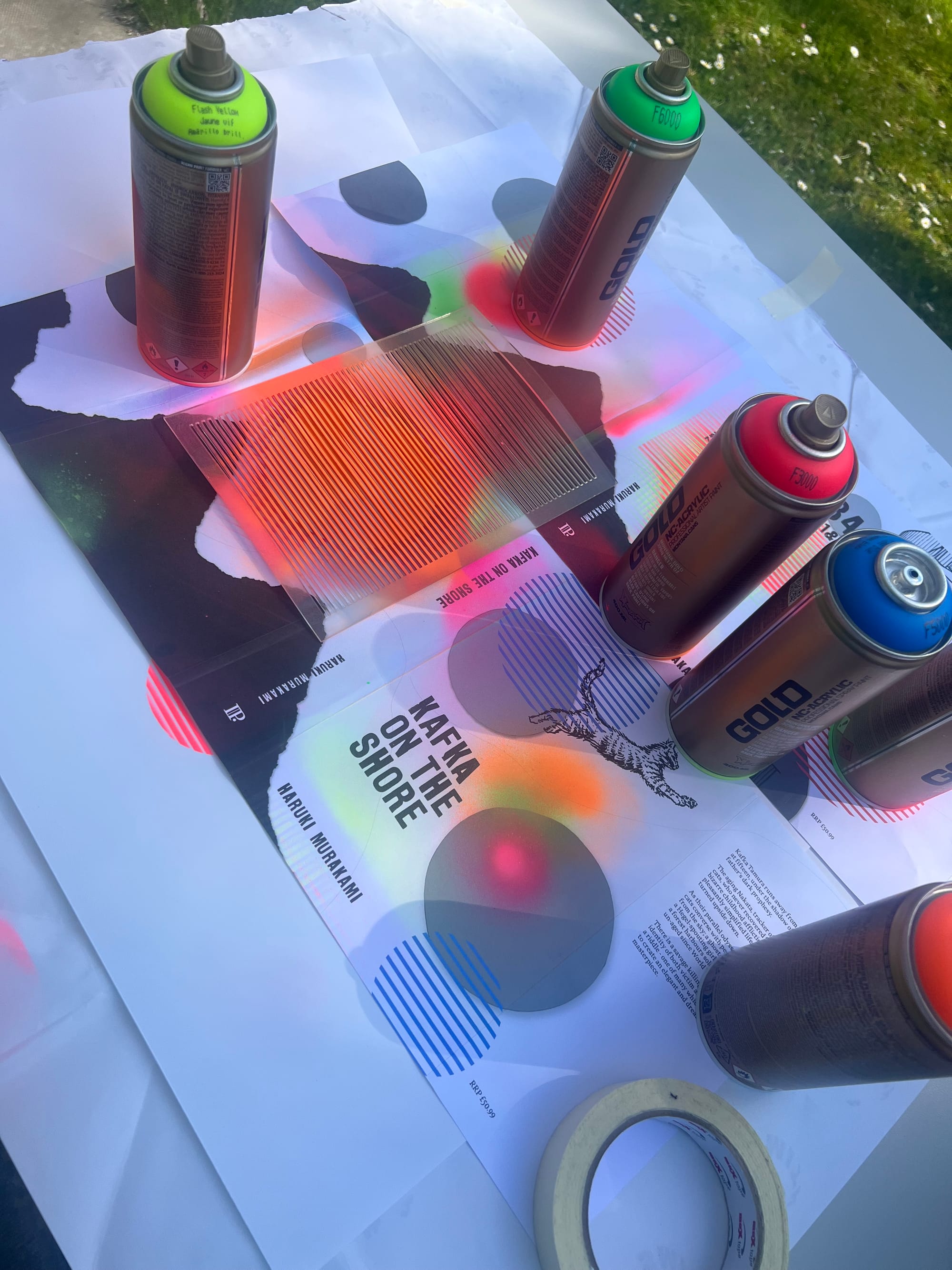
Notes, sketches and making mocks by hand are always my first steps. I find it much easier to get my ideas out in a physical way than immediately running to digital production. I also find that my ideas are freer when I work in this way as I let my mind run away with no technical restrictions and figure out how I actually make it happen later. After this I tend to lean into paper stock and material selections first to get a feel for the physical presence of the project before I flatten it all in a digital form – this also helps to keep colour palettes accurate as there’s nothing more annoying than selecting a colour digitally that doesn’t quite have a match in print or paper. Here is where the digital elements start to come in and from then on, I work on digital and physical elements in tandem never letting one overtake the other by too far to keep the project on track.
How are you considering the environment with your work?
I believe as a creator of ‘things’ in any form it is your responsibility to be considerate of how your choices effect the world we live in. We are now all unbelievably aware of the crisis that our world is going through with every daily decision having a lasting impact on our planet and all that is a part of it. As someone who works predominately with paper, selecting stock and finishing options that are sustainable, responsibly sourced or recycled is an important part of my process. As you can see from some of my projects, the environmental crisis is something that I care deeply about so even when the subject matter isn’t directly related, I try to ensure the eco-footprint of the project is as minimal as possible by using regenerative materials, being as plastic-free as possible, and using soy based inks where available.
Can print survive in a digital age – and should it?
Yes and yes! I have absolutely no doubt that print will not only survive the digital age but will thrive within it. The Death of Print is something that is often discussed within the world of communication and design (a great book on the subject is Post-Digital Print: The Mutation of Publishing since 1894 by Alessandro Ludovico) and it is a valid discussion as with our ever changing world there are many examples where digital has overtaken print in most peoples lives through the need for convenience and speed – accessing news online rather than a broadsheet, texts and emails in place of letters, even banking has gone 90% digital. However, we still love print. Newspapers are still sold, magazines still have active subscribers, bookshops are thriving and let’s be real, if you were to receive a real letter in the post, you’d be filled with a bubbly excitement that someone took the time to write. I think it’s inherent in human nature to feel a connection to something physical. Throughout human history, craft has been central to our culture and communities, and the passing of information via the written word can be dated back to 3300BCE and Gutenberg’s invention of the movable type printing press in 1440 revolutionised this communication. The love for print fluctuates within our society but every time it dips, shortly after there’s a resurgence and people crave the touch of print again.
If you try to imagine a world without the internet it’s difficult but feasible, but it’s truly impossible to imagine a world without the printed word.
How can art help us?
Art unlocks something in us that we can’t access in another way. Art encompasses so many mediums, writing, painting, sculpture, film and theatre to name only a few. We can explore emotion, travel the world and learn new skills that are out of reach without art. Humans are creative by nature, we are storytellers by nature, art gives us a way to let that out.
In today’s world, we can sometimes feel a million miles away from that natural instinct, the world is busier and feels smaller and less magical than it used to. Art allows us space to find that magic again.
Has your art positively helped your mental health in any way?
Yes absolutely. In the times I have been really struggling, my work has helped to centre me and ground me back in reality when it could feel like the world was pulling away. I’ve found that learning and developing my design skills and subsequently building my confidence in my work helped me to gain confidence in myself. Your work by no means defines you, but I’ve found my work has helped me find out who I am, has connected me with likeminded people and given me a confidence in myself that when I was at my lowest, I never imagined I would have.
Creativity requires a deep level of thought and commitment – how do you balance that with day-to-day life?
I think as a creative this is the age-old impossible-to-answer question right? I definitely find that when I’m deep into a project that I do struggle to switch my brain off, I often find myself dreaming about it, or suddenly realising the solution to a problem when I’m in the middle of a totally unrelated task like grocery shopping. I don’t think this is something any creative who is as involved in their work as I am can avoid, but I do make a conscious effort not to let my workday take over my life. I always have a dedicated workspace I separate from my relaxation space and I have a rule that I won’t work outside of that dedicated zone. I also try my best to keep to some form of schedule, be that 9am to 5pm or 1pm to 10pm, and to take at least a half an hour away from my desk for a lunch break; it’s easy to get sucked into a project and lose track of time so making time to eat properly, exercise and practice hobbies is hyper important to maintain a healthy balance.
Where does it come from?
I think it comes from lots of places, from connections and conversations with people, from curiosity in the world around you, from paying attention to the little things, from allowing space to play, experiment, and get things wrong. Everyone has creativity in them – it’s how we play as children – some people let go of that instinct as they grow up, I think those that don’t become artists.
Your voice – was it there from the start, or is it an ongoing quest to discover and define it?
To some extent its always been there, I knew when I first focussed my studies on design that I wanted any work I produced to be both beautiful and to have a positive impact, which is what has given me my drive to learn my craft, but I think my design language is something that is constantly in development. My concept heavy approach has grown as I have become more confident in my skills to execute and accurately articulate my ideas knowing I can commit to bigger and more complex projects and succeed. My visual language and design preferences change all the time with new inspirations around me constantly. I think a big part of my voice is being a translator of meaning – something that encompasses linguistic challenges as well as accurate communication of ideas and cultural nuances to the audience – which has come from travelling, meeting people with different life experiences and simply growing as a woman in the world.
Sometimes it’s better to leave an idea that isn’t working and move on, and sometimes it’s better to keep going and wrestle it into being. How do you know when to step away, or when to push on?
I always give any idea a decent shot and will often work on each one for a few days before calling it but for me, it’s simply a feeling I get in my heart when something needs to be abandoned. Sometimes I look at my work and know I have done everything right – the type is correctly set, the image treatments are refined, and the layouts are working – but it just doesn’t FEEL right. I like to describe design to people in this way: You may not know what makes design good, but you can definitely tell when its bad. It’s like holding a mug where the handle is just slightly too small, its uncomfortable but you can’t do anything to fix it. When I start to get this feeling about my work I know it’s time to move on to a new idea or approach rather than waste valuable time trying to force it into submission.
It’s important to give yourself grace when things don’t work out as it can knock your confidence, and allowing ideas to breathe a little while you work on something else can lead to better work later down the line.
What's next for you?
Right now, I’m working on building my freelance practice and developing a long-term research project around multilingual and multiscriptual design which I’m hoping to publish the first instalment of in a journal soon. I’m also considering PHD study in the next few years and would love to lecture at universities too.
The biggest thing I’m working towards is the goal of running my own print-first multidisciplinary creative studio full of incredible creatives making beautiful work for wonderful people. Projects crafted with care, passion and purpose making a positive impact on the world a little at a time. There’s a lot to come from me yet, keep your eyes peeled!
What advice would you give to anyone out there to help them on their creative journey?
Trust yourself. There will be times when it feels too difficult or people tell you it’s not worth it; if it feels right for you, trust that feeling. I’m the only creative in my family and the first person to go to university and when I first decided at 16 to focus entirely on a creative path, I was often told that I was ‘putting all my eggs in one basket’ and I shouldn’t limit myself, I knew that was wrong. And 13 years later I’ve proven I made the right choice. Being a creative can be tough, people separated from that world often don’t understand what you do or don’t see the value in it when in reality, creatives are the people who make the world a place worth living in.
We make art that clarifies meaning, connects people and enriches every element of our lives. Whatever it is that’s calling to you, trust it. The world needs you and your art.
We're constantly on the look out for new artists, creatives and initiatives to feature in TheNeverZine - so if you are, or know someone who is going their own way and doing their own thing on their own terms and would be a good fit to feature please smash that button below and get in contact. By talking to each other, and sharing our journeys, ideas and insights on creativity, art, mental health and resilience we can all create, share and thrive together. Nice thought that.
PS - Don't forget to subscribe below for more content from TheNeverPress 👇