Amenno is a film studio for a new age, founded on uncompromising authenticity. Amenno create bold, independent work and an ecosystem for it to be shared, and experienced in direct connection with audiences.
Let it be known that we love movies. It might be our first love (sorry Kylie). For us, nothing beats sitting in a dark theatre with friends and strangers and experiencing the thrills and spills of the silver screen. Few artforms have such a direct access to the masses - we all watch movies, and yet so few artforms are practiced by so few people. There is some sort of bastardisation of that Churchill quote about The Few that is happening here. Anyway, making films is incredibly difficult - it takes an army. Getting films 'out there' is even more difficult. Don't let the streaming platforms and socials media sites fool you - nothing has been democratised. The hallucinatory algorithms swallow up films, treat them as 'content' and bury them so deeply that any chance of finding that 'hidden gem' or undiscovered voice is practically zero. But there is still a way. There is still great appetite for films to be made, and for films to be screened. There still remains that independent zeal to make and share - to connect with artists to realise the dream, and then to project that onto a screen for a bunch of dreamers to bask in. The true spirit of filmmaking is alive and it's exemplified by Amenno - an independent studio that is not only making their own films, but developing other voices and hosting screenings and events to bring work to new audiences (which we have previously written about here)
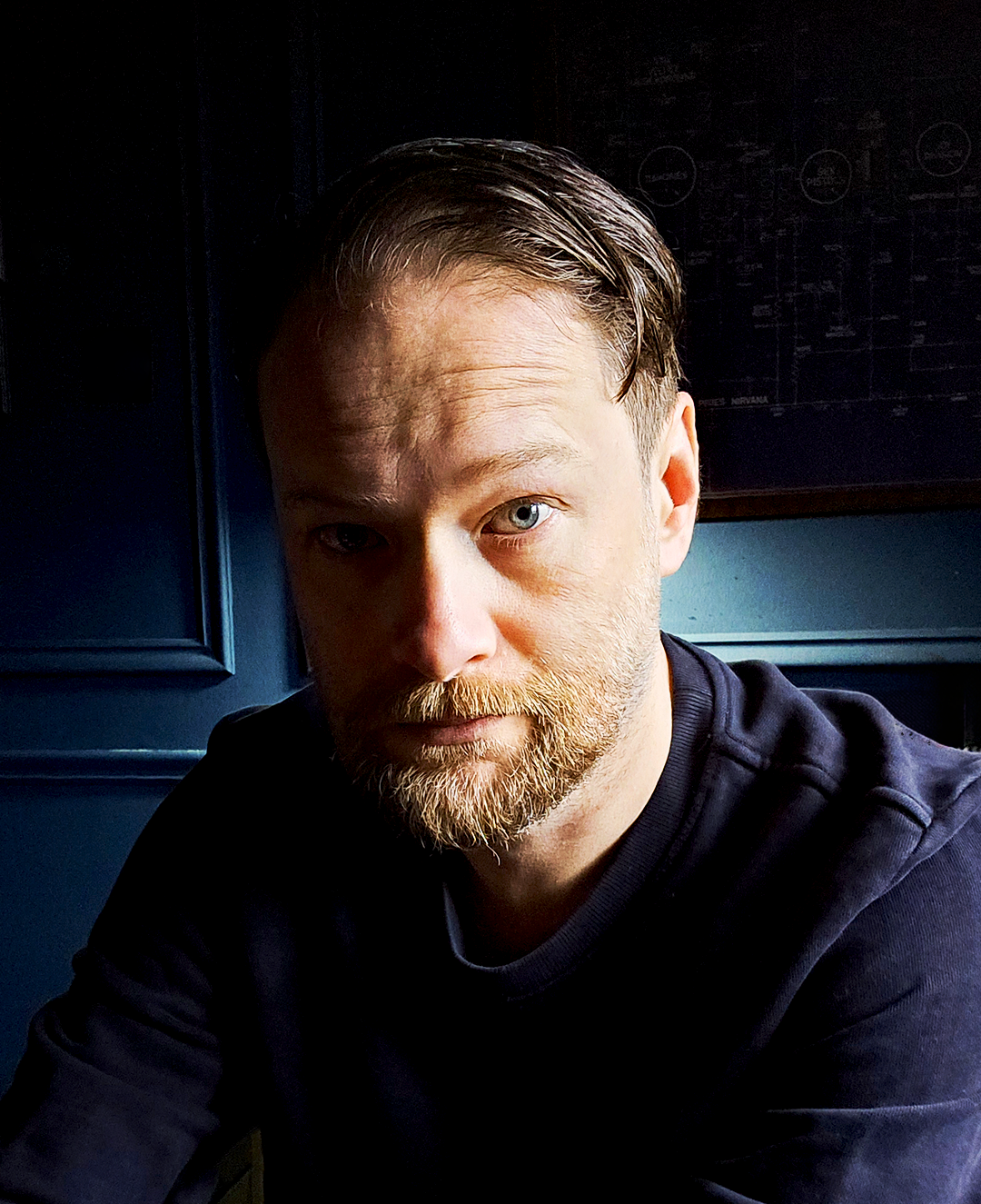
In preparation for their next event at the Courthouse Hotel, London on April 16th, we managed to get some time in with Harry Reeves and Ibrahim Kargbo Jr, two of the four founders of Amenno to learn more about their studio, their vision and what it means for the future of film.
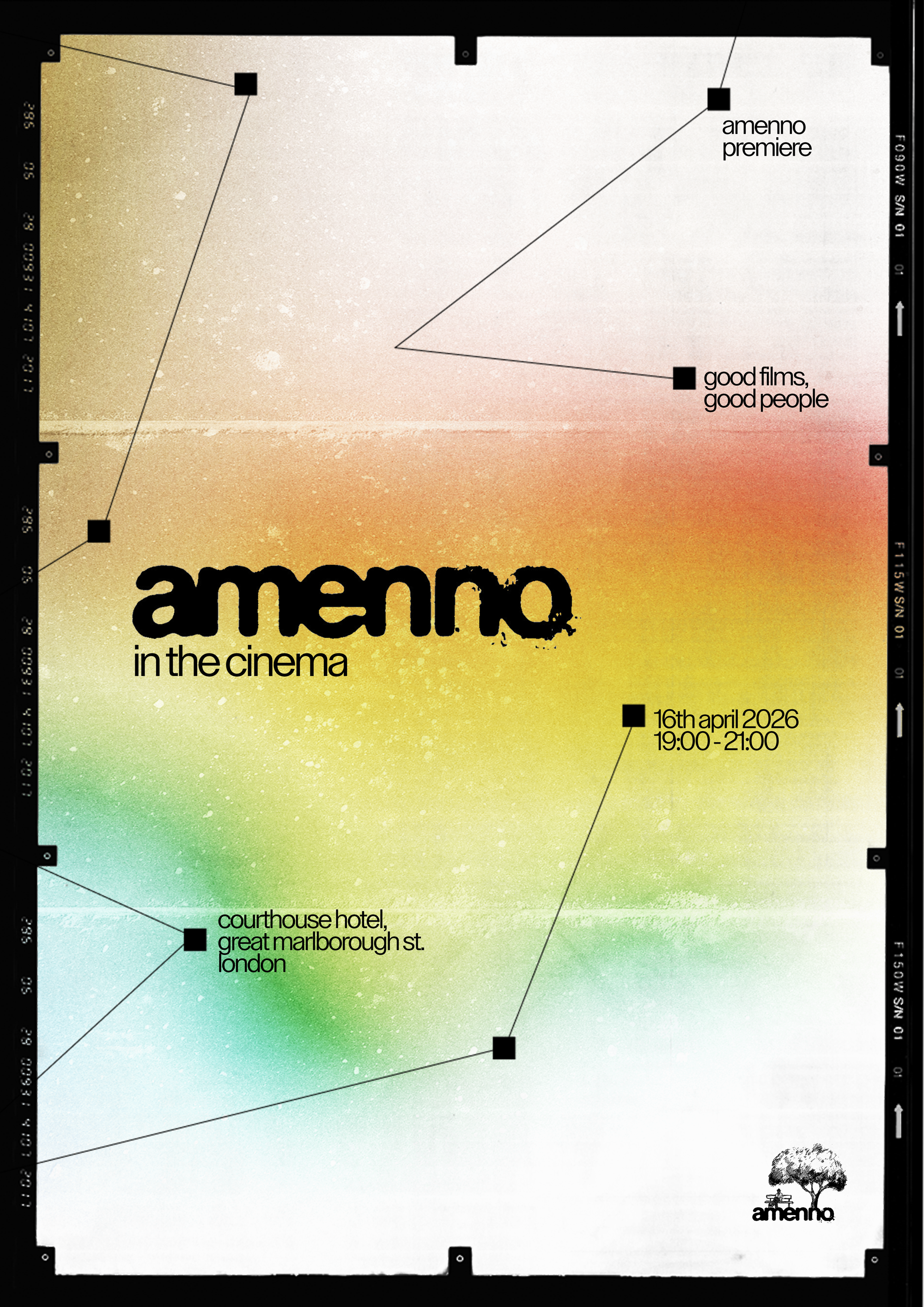
But before we get into it, grab your ticket for the event by clicking on the poster, or hitting the button.
Now you've done that, you can sit back now and read this wonderful interview with two of the vanguard of independent filmmaking, safe in the knowledge that you have an evening of beautiful and vital cinema in your diary. So then, let's get into the interview with Harry Reeves and Ibrahim Kargbo Jr, two of the founders of Amenno...
Right then, mission briefing time - tell us about Amenno Film
Ibrahim Kargbo Jr: We started as four people who wanted to make our own films, united by a love for the experience of being completely transfixed by the moving image on a big screen. Very early on, it became clear that we didn’t just want to make the work, we wanted to build a platform that could bring other people into that feeling too. Film feels like the right medium because it is collaborative, emotionally direct, and uniquely powerful in the way it connects people through image and sound. At a time when new voices are finding new ways to be seen, we want to bring people closer to what independent cinema can offer, and make films that establish the cultural zeitgeist.
Harry Reeves: We make films that bring people closer to their humanity. From the intimate to the abstract, the strange to the stylistically adventurous, our work is cinematic, sensory, and alive. It's all born from the limitation of actually making films and built through community. These films aim to move people and spark emotion - they give people a reason to gather, sit together, and experience something real within the four walls of a cinema screen.
How does the Studio work – as a whole, and on an individual project perspective?
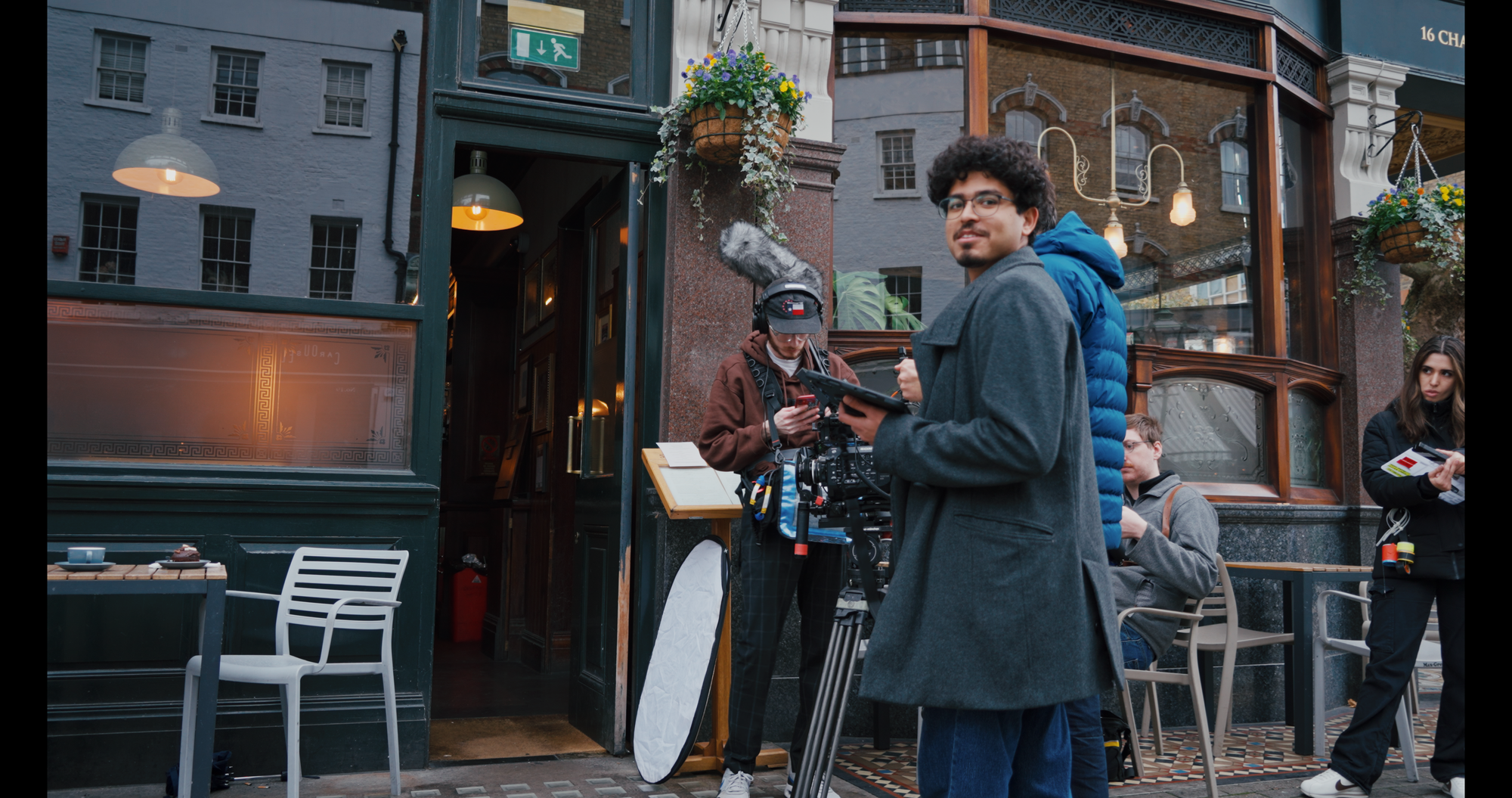
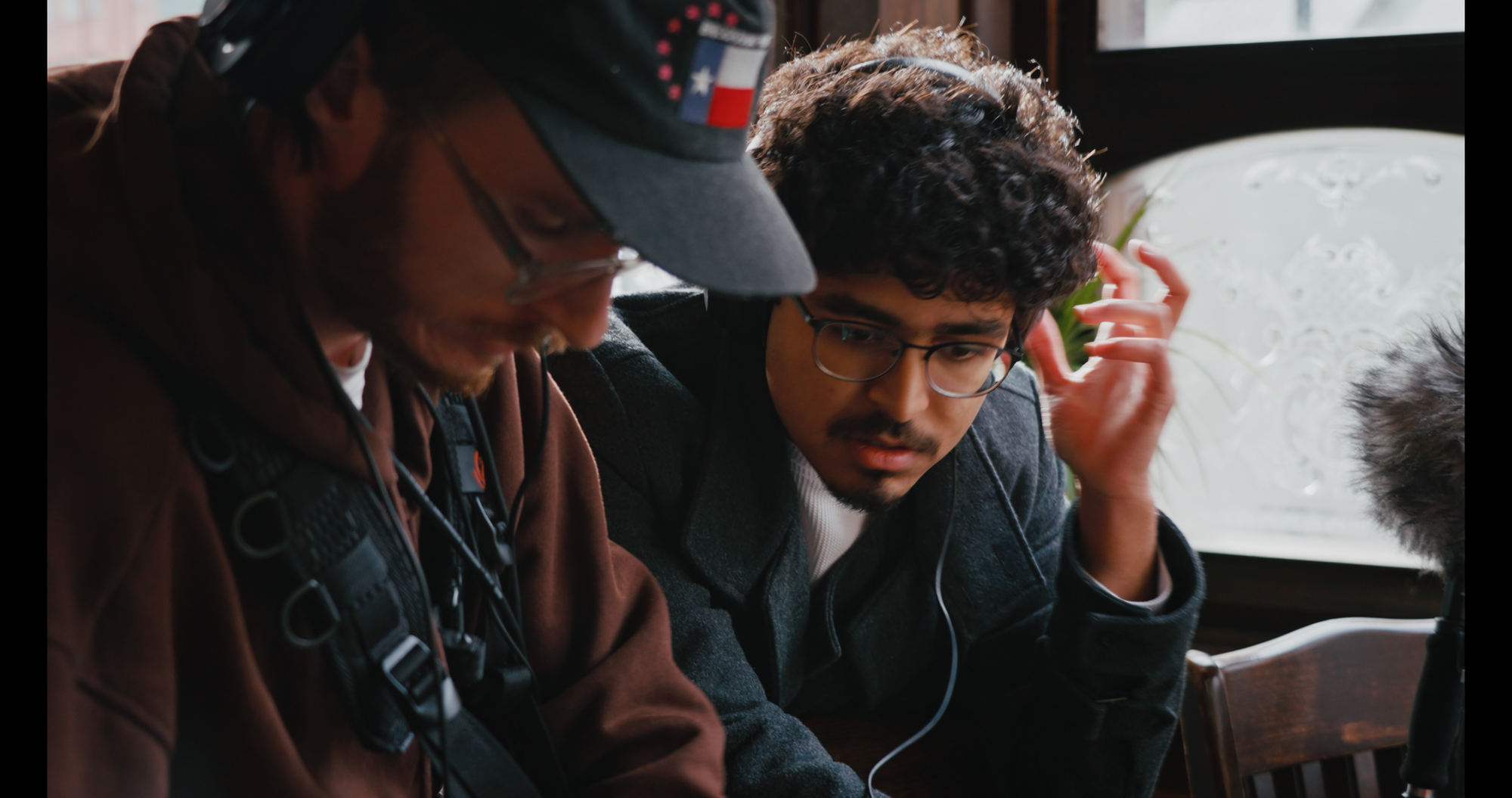
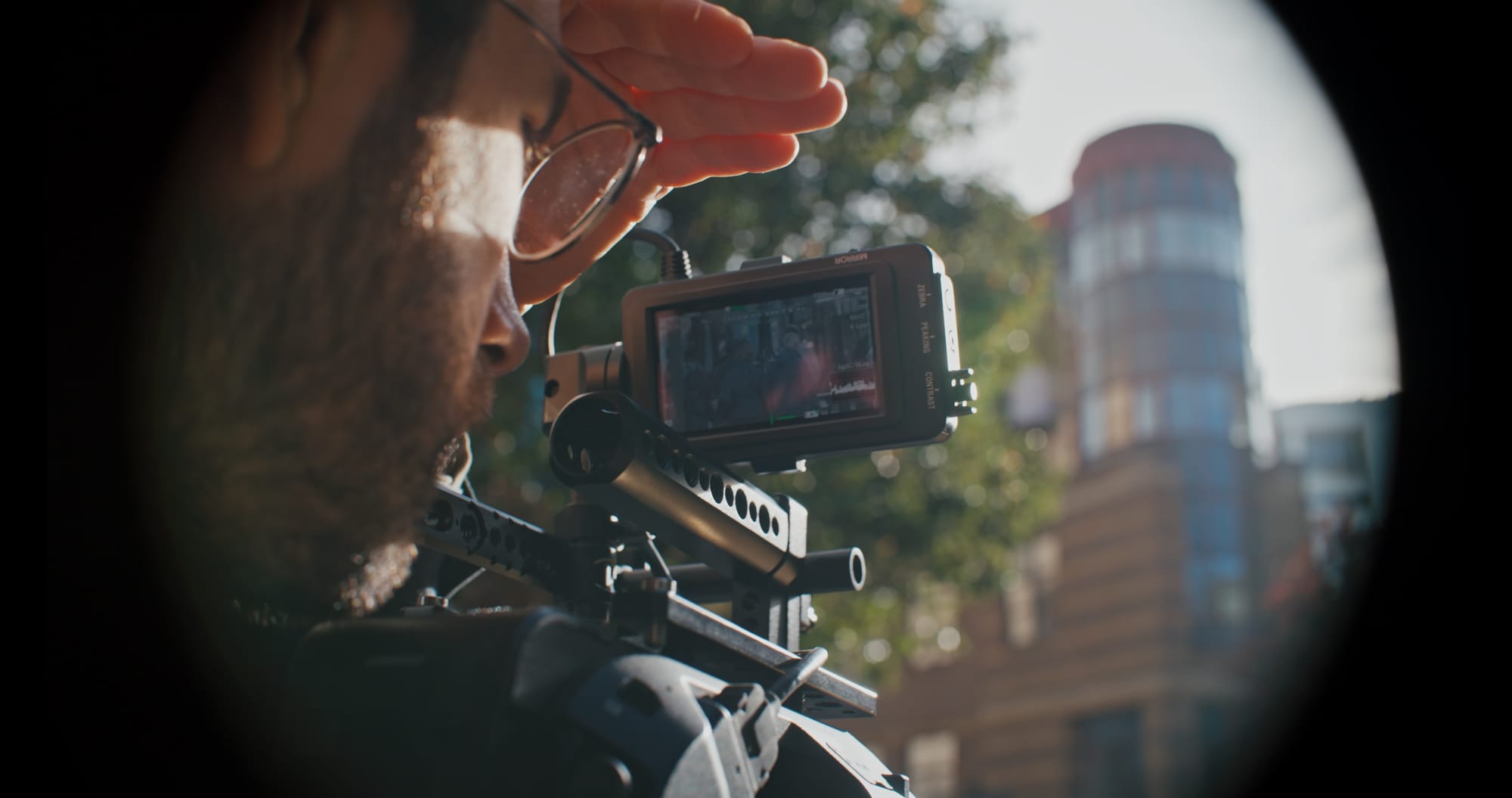
HR:We work as a lean, multidisciplinary studio, with a core team of filmmakers supported by a wider network of trusted collaborators. As a whole, we’re very hands-on in how we work, and although people have clear roles, the process is highly collaborative. We’re constantly sharing material with each other; scripts, ideas, edits, footage, images, so the work is shaped through ongoing conversation from the very beginning. We’re always thinking not just about what we want to make, but what we want to offer audiences, and how each film or event adds to the wider platform we’re building.
IK: On individual projects, the process is more fluid. One person might bring in an idea, another might be deep in development, while someone else is already shooting. We’re often working at different stages at once, but always in dialogue, pooling resources, sharing ideas, and shaping each project around individual cinematic voices while keeping the wider Amenno signature intact. We work with trusted collaborators, scrutinise the intention and viability of each story, and aim for the strongest creative solution possible within the means available. Every project is treated with real care with proper production, proper exhibition, and a proper life beyond completion.
How did it form – tell us about the journey to get where you are?
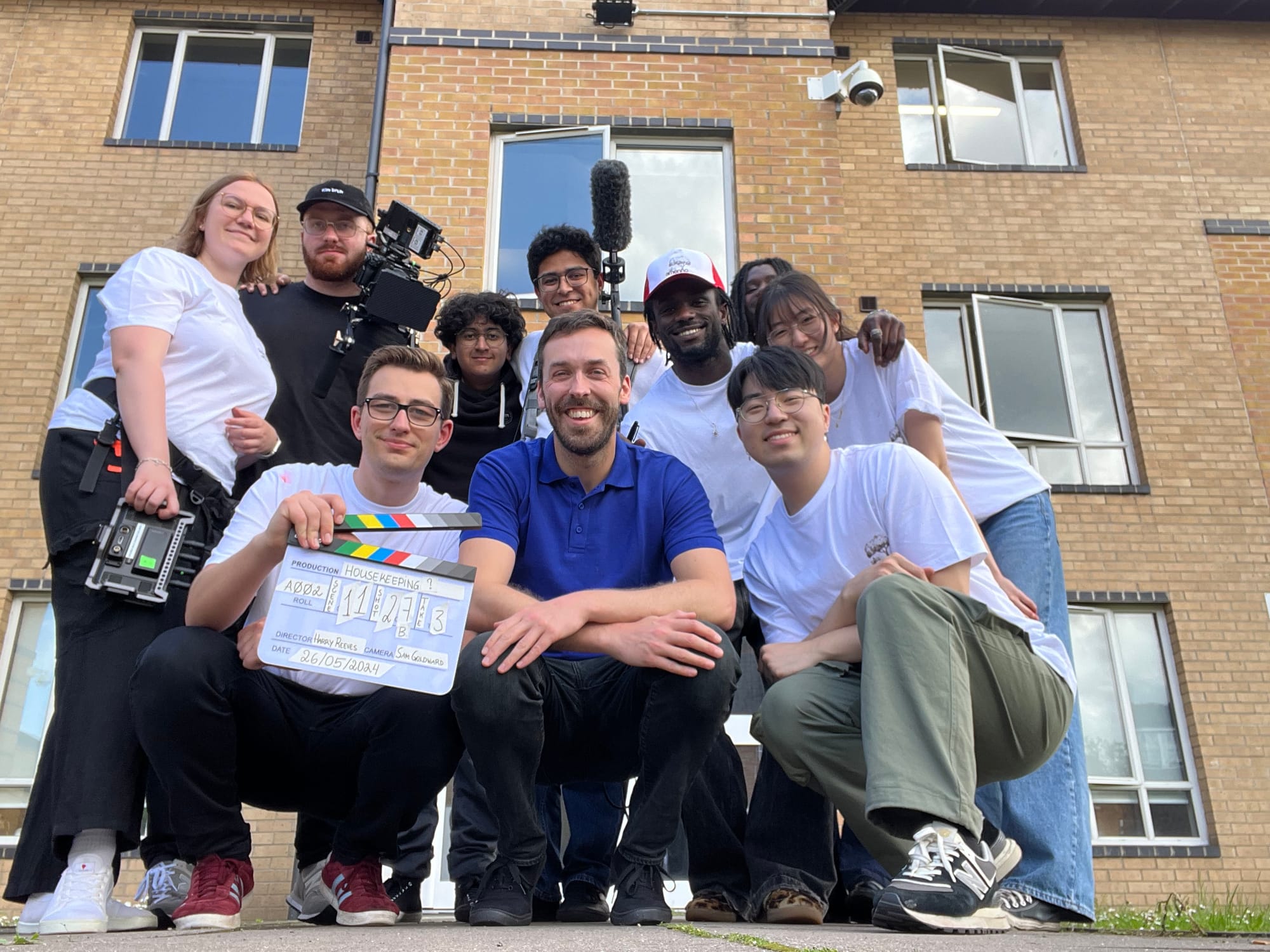
IK: We came together quite organically, but the deeper impulse was always the same: we wanted to make our own films, and we wanted them to live properly in the world. I met Harry at university, on a film editing module, and we built a strong creative rapport, constantly exchanging scripts and ideas throughout lockdown. A couple of years later, I met Aum at a screening event and we quickly connected. Around that time, Aum was already collaborating within the music video world, working alongside Delphino on videos for artists like Nia Archives, Fin Foxwell, and Sam Wise. Then I met Alex at a wild party, and somewhere between tequila and soju shots, there was a real sense that he was the missing piece, the producer who could help turn all of this into something tangible. I got everyone on a call, and that was really the start of Amenno.
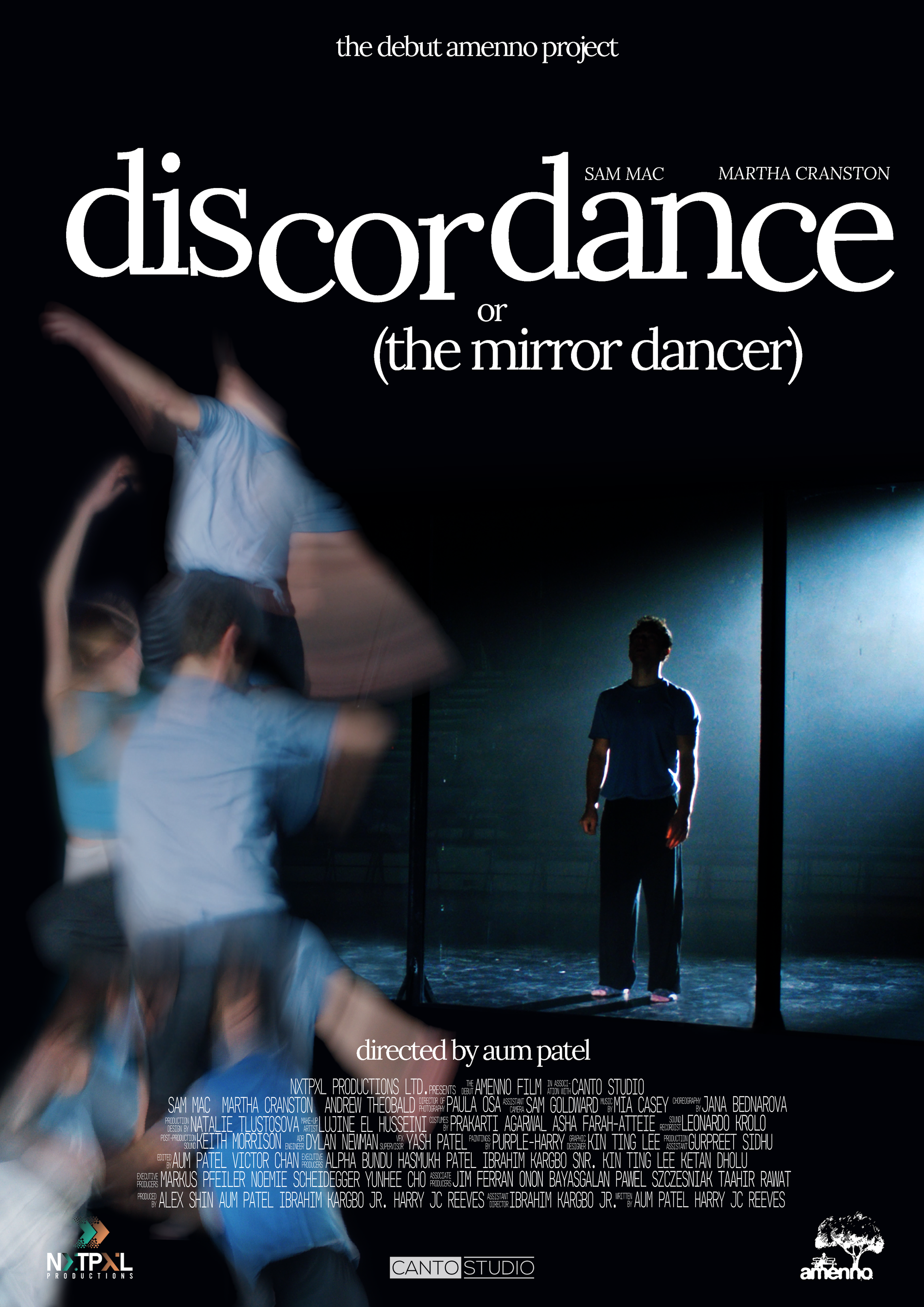
HR: In the beginning, the idea was to make a kind of “mixtape of films”, a six-project sprint over the course of a year. That eventually evolved into one film, Discordance (2023). Through consistent Sunday morning meetings on Discord, we developed the script, raised £5.5k through a successful Crowdfunder, and pulled the film together through a gruelling three-day shoot, an ADR day, and weeks of editing. When we premiered it at Genesis Cinema to a crowd of over 170 people, something clicked. We realised Amenno could be bigger than a single film. It could be a platform that makes films and creates screenings with the same care, ambition, and sense of occasion often reserved for much bigger productions. That was the moment it became clear we were not just trying to make our own work, but starting to build a studio and a way of working around it.
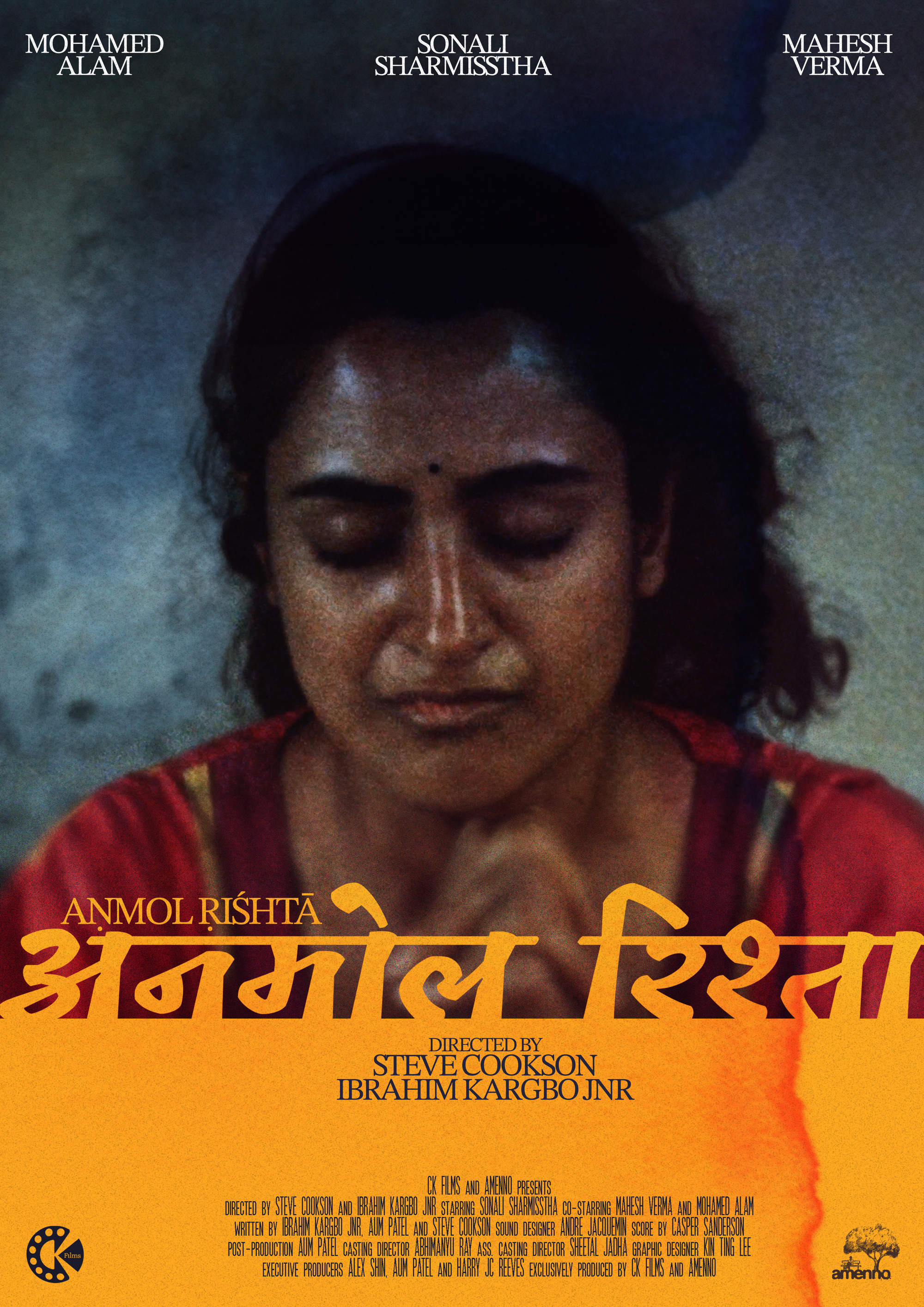
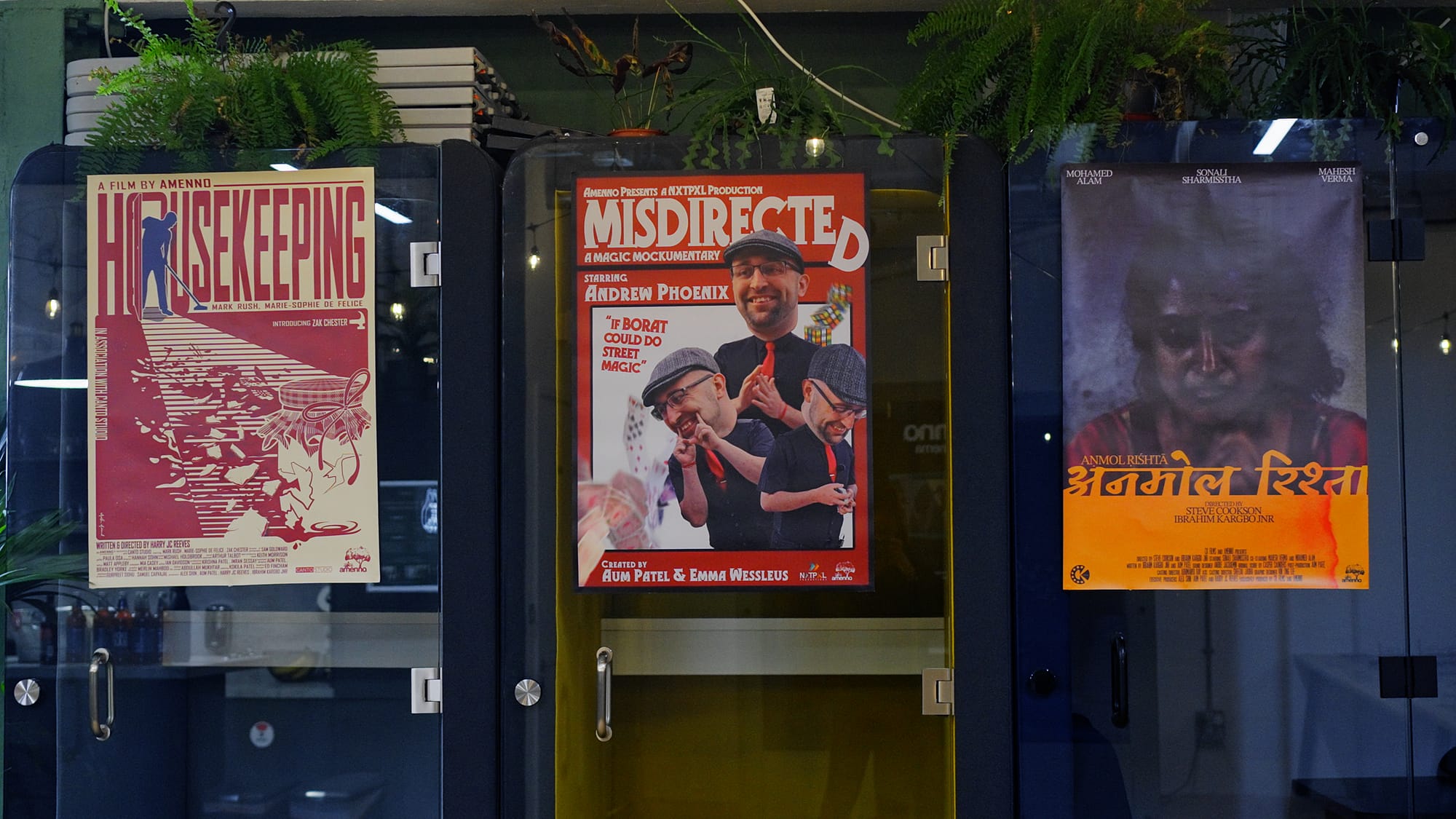
IK: From there, we carried on with a real DIY spirit, if we wanted it to happen, we would make it happen ourselves. I travelled to Mumbai and shot Anmol Rishta (2024) entirely on celluloid. Harry made Housekeeping (2024), and Aum stepped back into directing with Stood Up (2025). We premiered Housekeeping and Anmol Rishta at our first Amenno in the Cinema event at All Is Joy in Soho, which was also the moment we began using the platform not just for our own films, but to champion the work of our collaborators and peers. That was a major turning point, because it showed us that what we were building had a life beyond our own projects. It was no longer only about making films; it was about creating the conditions for independent work to be seen properly, shared collectively, and given the care it deserves.
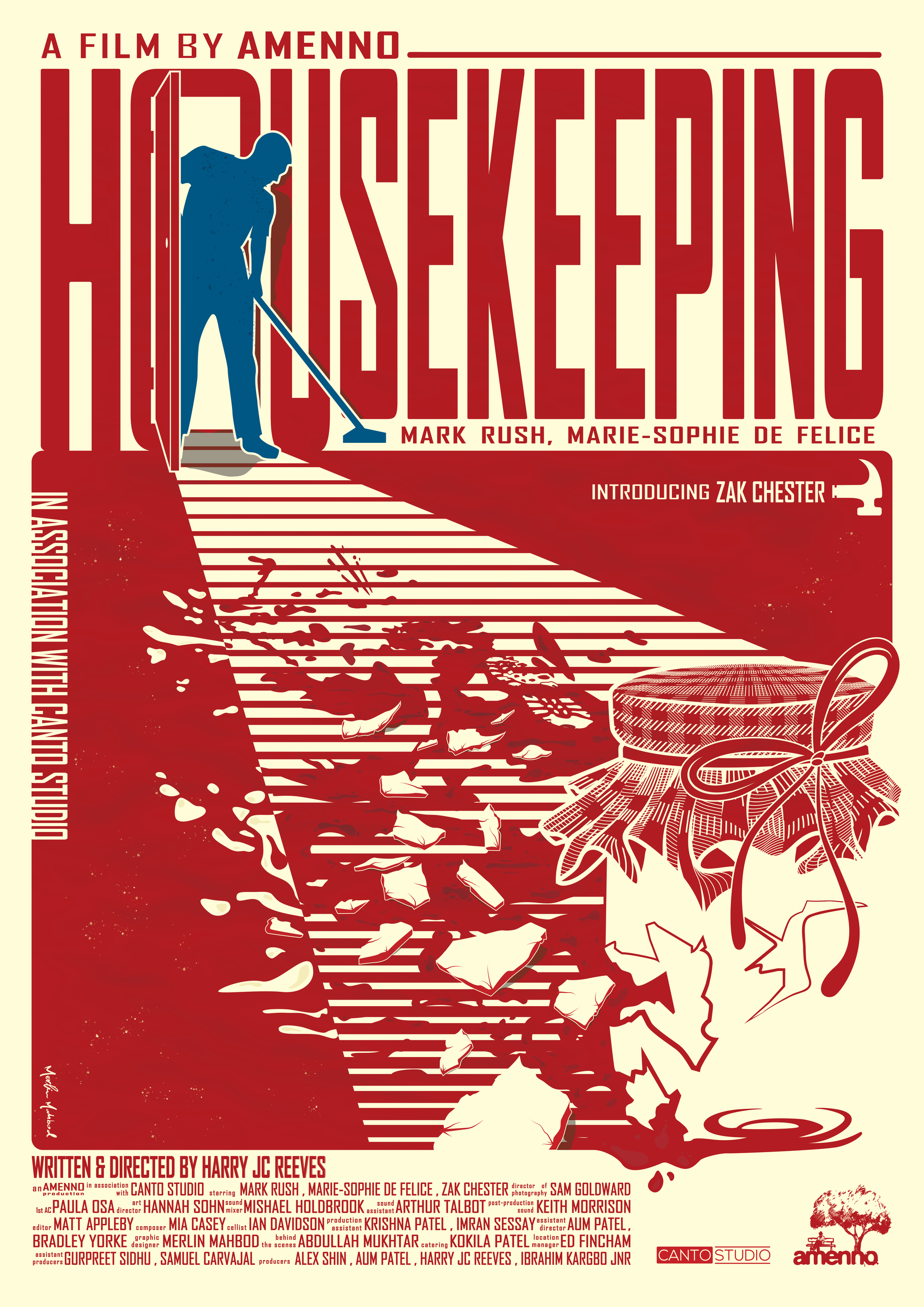
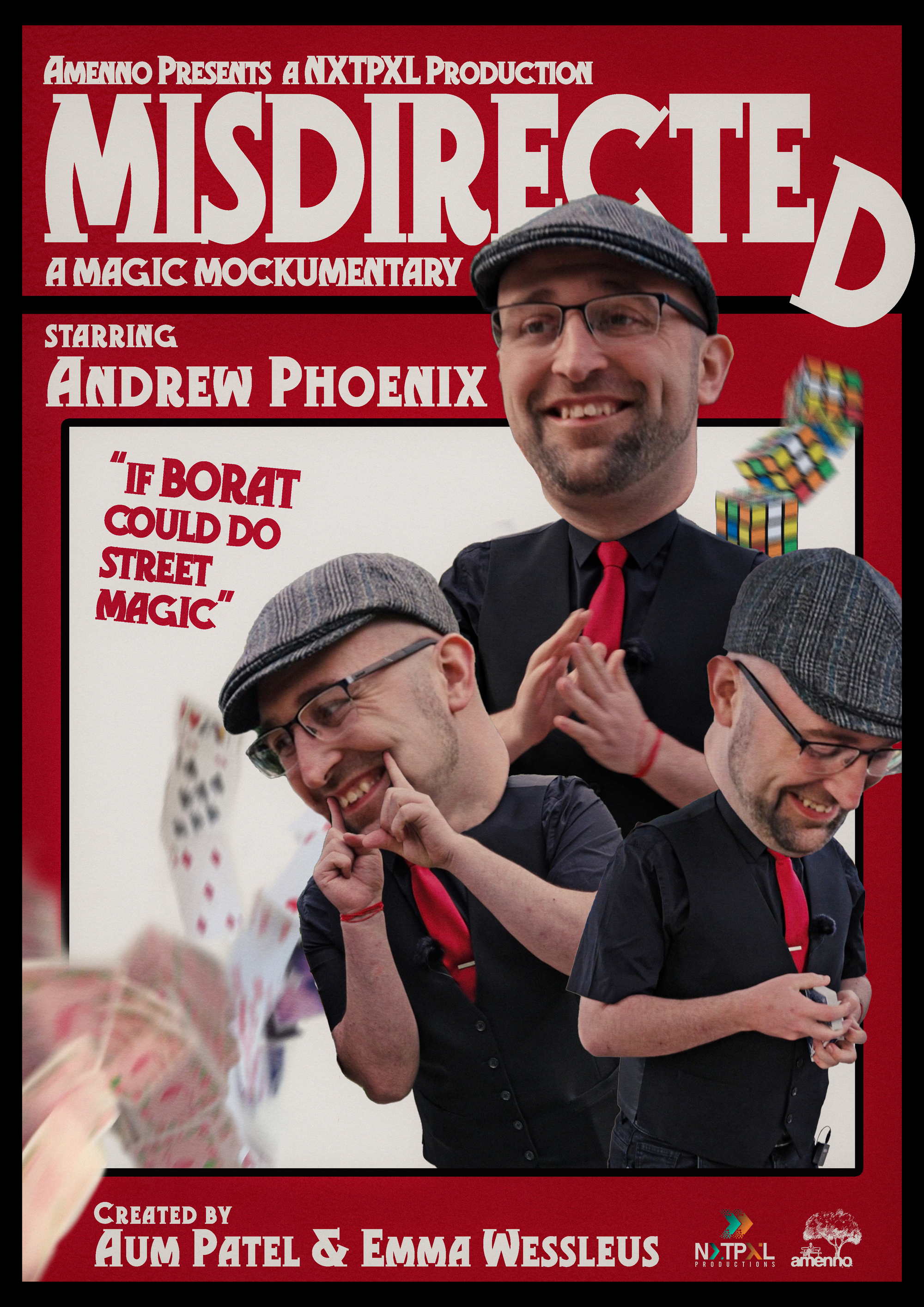
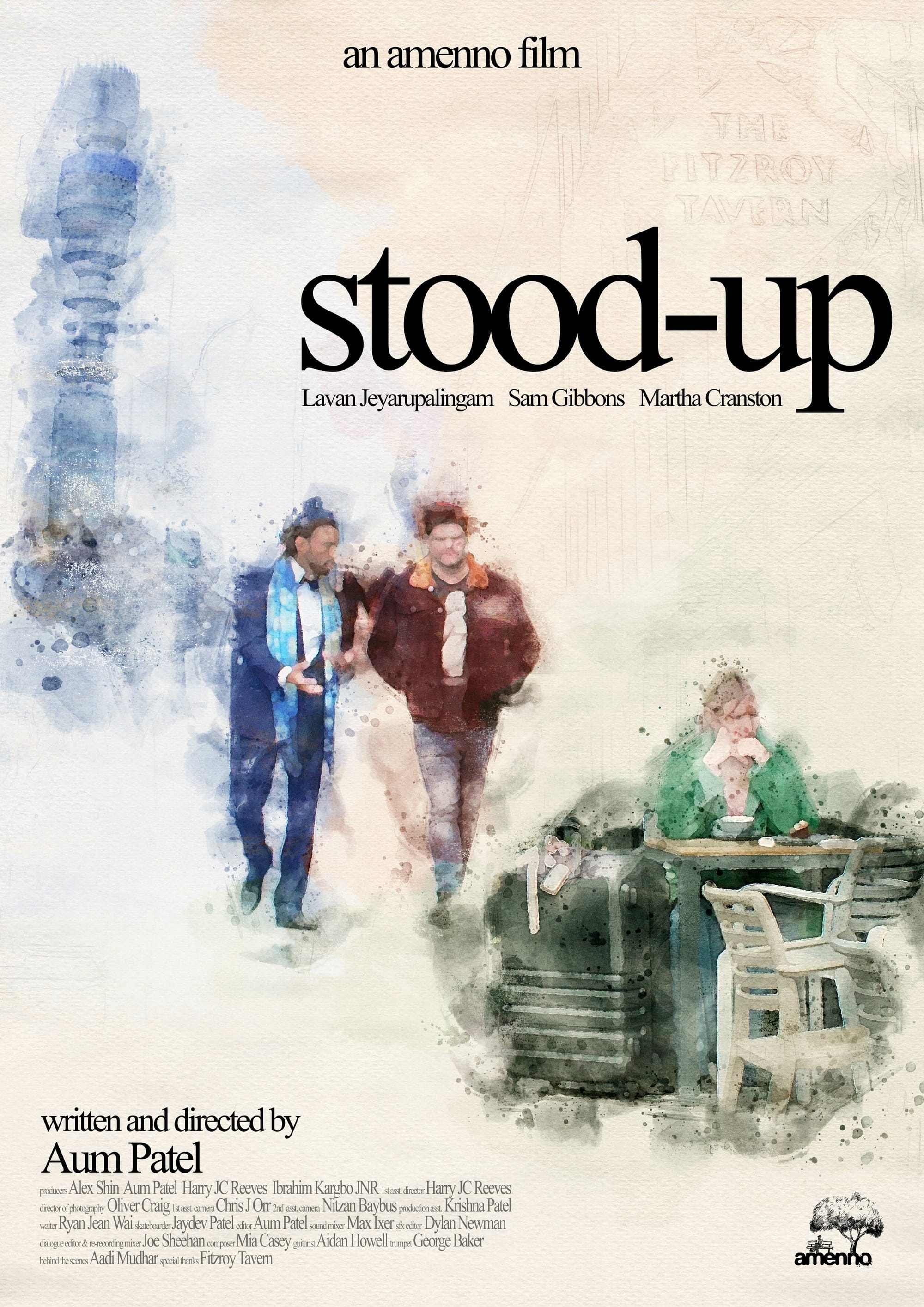
HR: Since then, that momentum has kept growing. We followed with more Amenno in the Cinema events in Shoreditch and Stratford, the latter in collaboration with Good Growth Hub, and held our first international showcase in New York in May 2025. What started as a few people wanting to make their own films has grown into something with real traction: 7 consistent sold-out events, a growing audience, strong social reach, and a clear sense that people are hungry for this kind of independent cinema and the voices around it.
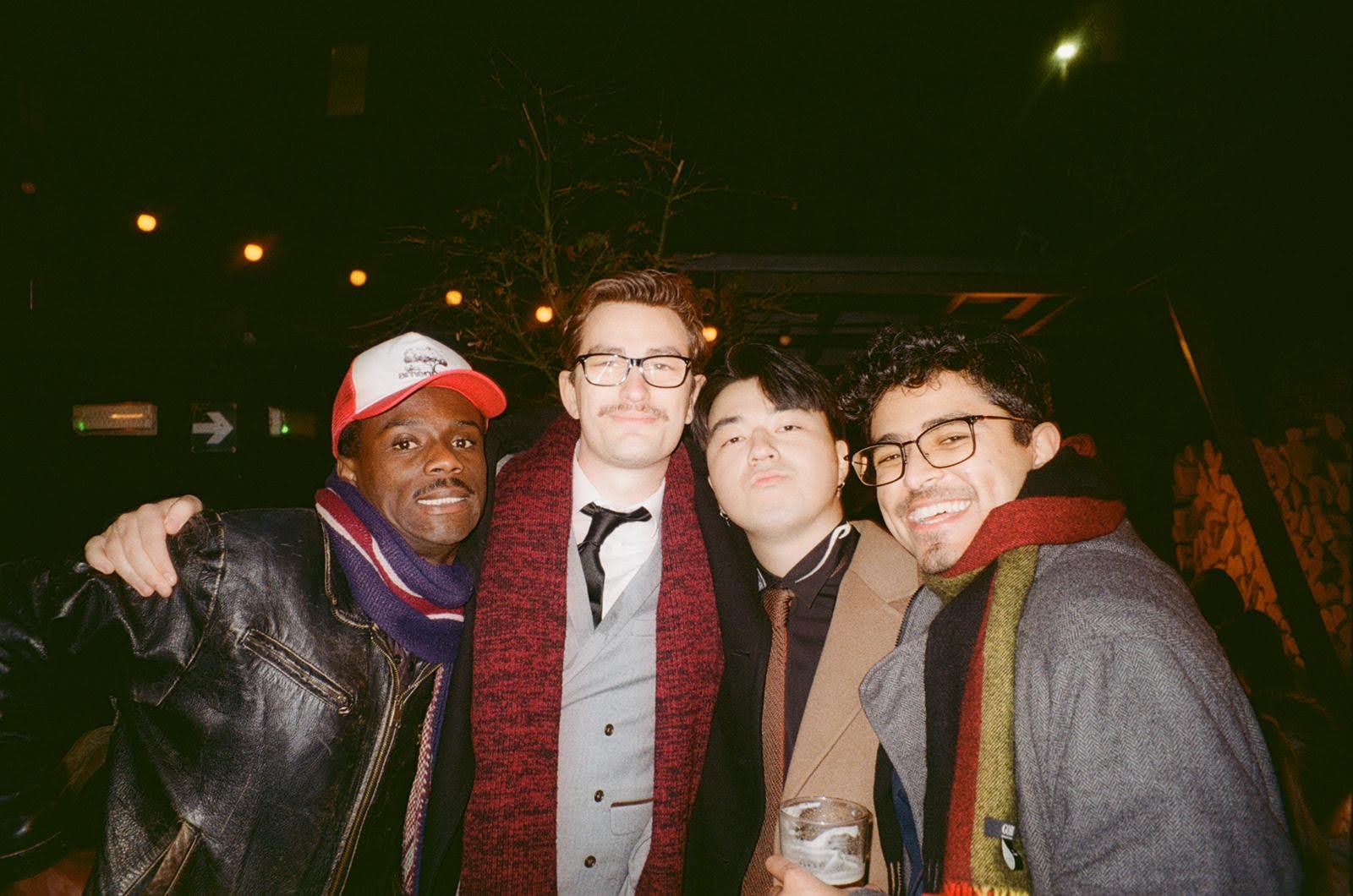
It has shown us that there is space for a studio like Amenno, one that treats grassroots cinema with seriousness, style, and real belief.
What does it mean to you to work in as a studio – artistically, emotionally, professionally and commercially?
HR: Working as a studio means we are not approaching each film as an isolated thing. It gives us continuity and a shared language, a shared taste, and a standard that carries through everything we make. Artistically, that means we can experiment, play, and push each other, while still building towards a body of work that feels coherent and true to us. Emotionally, it gives us trust. We can be honest with each other, say when something is not working, and know those conversations are in service of making the work better. Professionally, it gives us structure, clarity, and a way of growing that is not dependent on one opportunity at a time. Commercially, it gives us agency: the ability to be more intentional about what we take on, to protect the quality of the work, and to build something with real identity rather than simply chasing what is available. More than anything, being a studio means we are building a home for the kind of work we believe should exist.
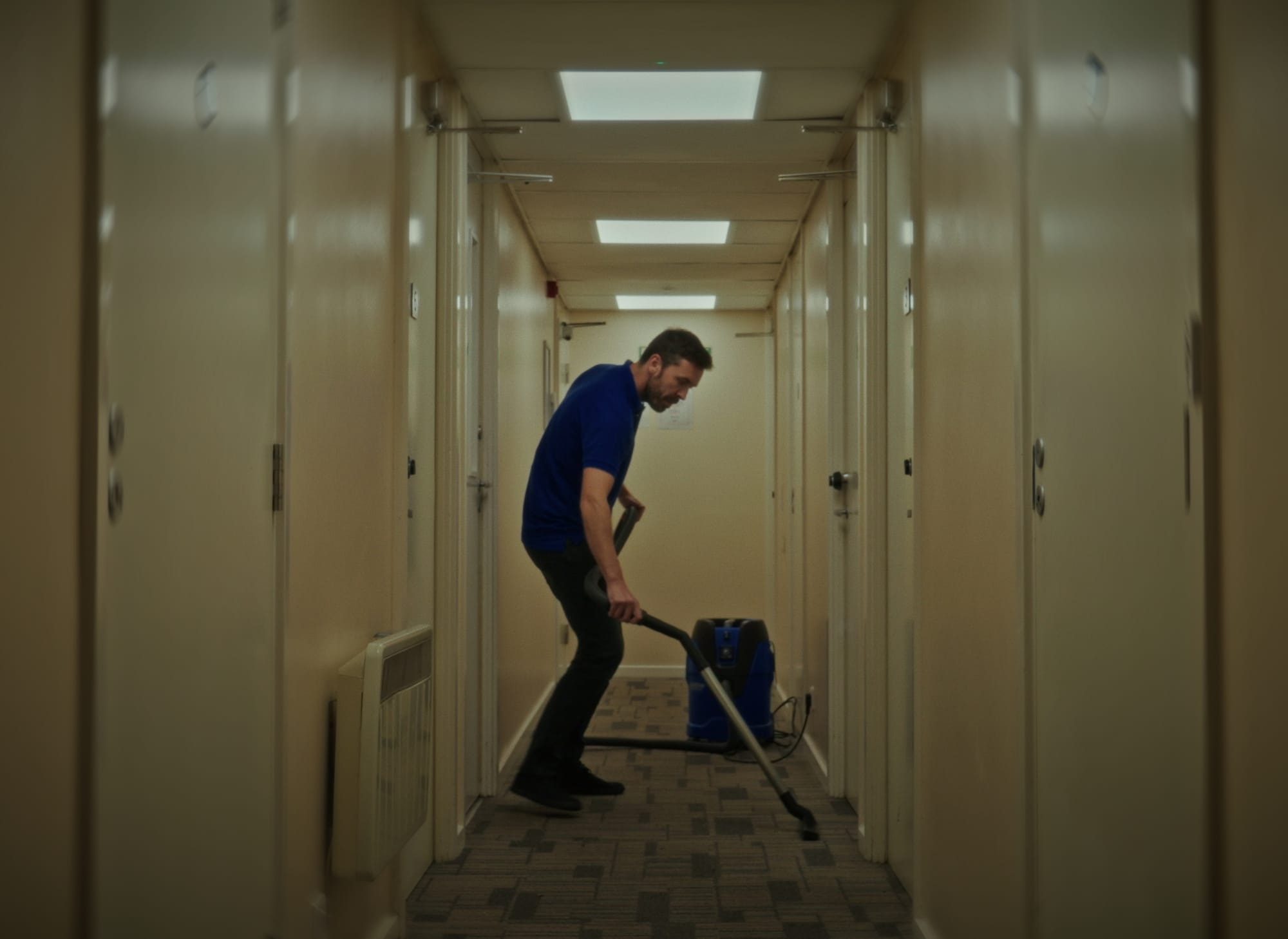
What films do you make and who are they for?
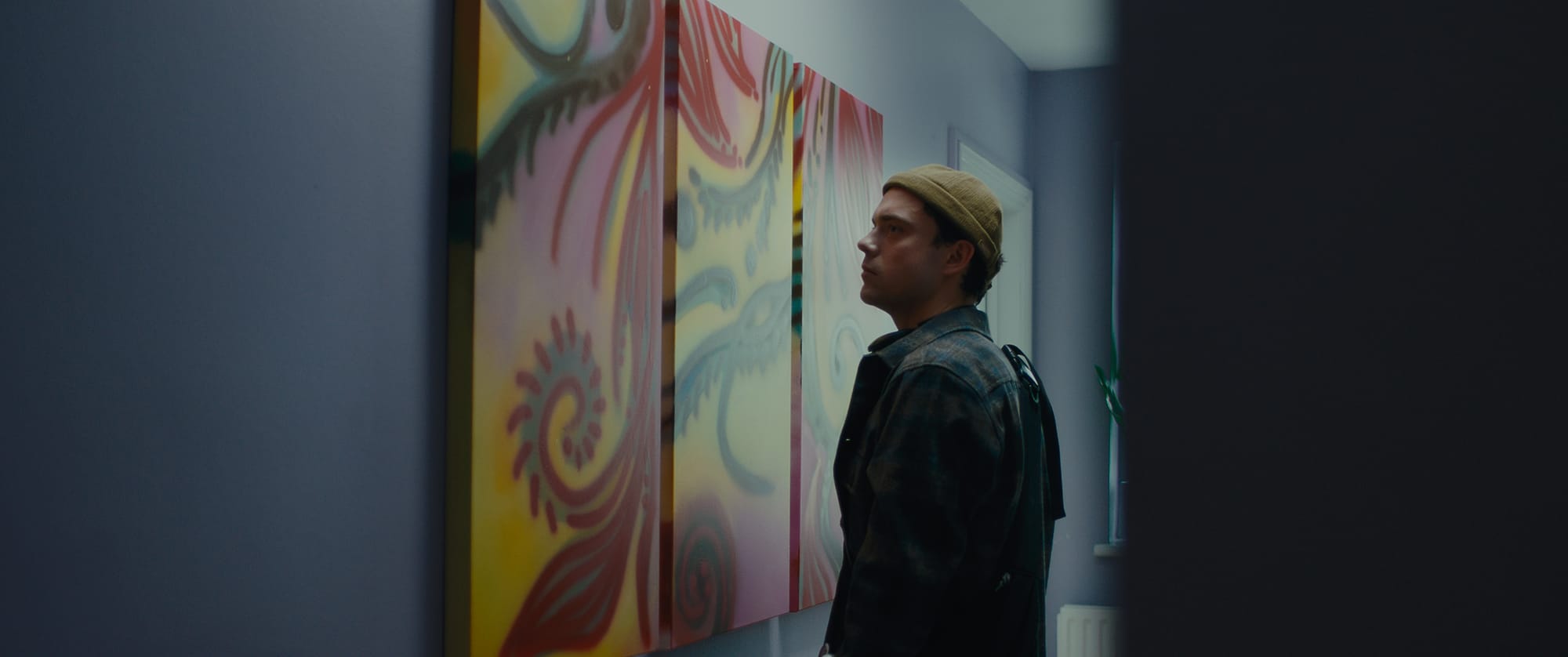
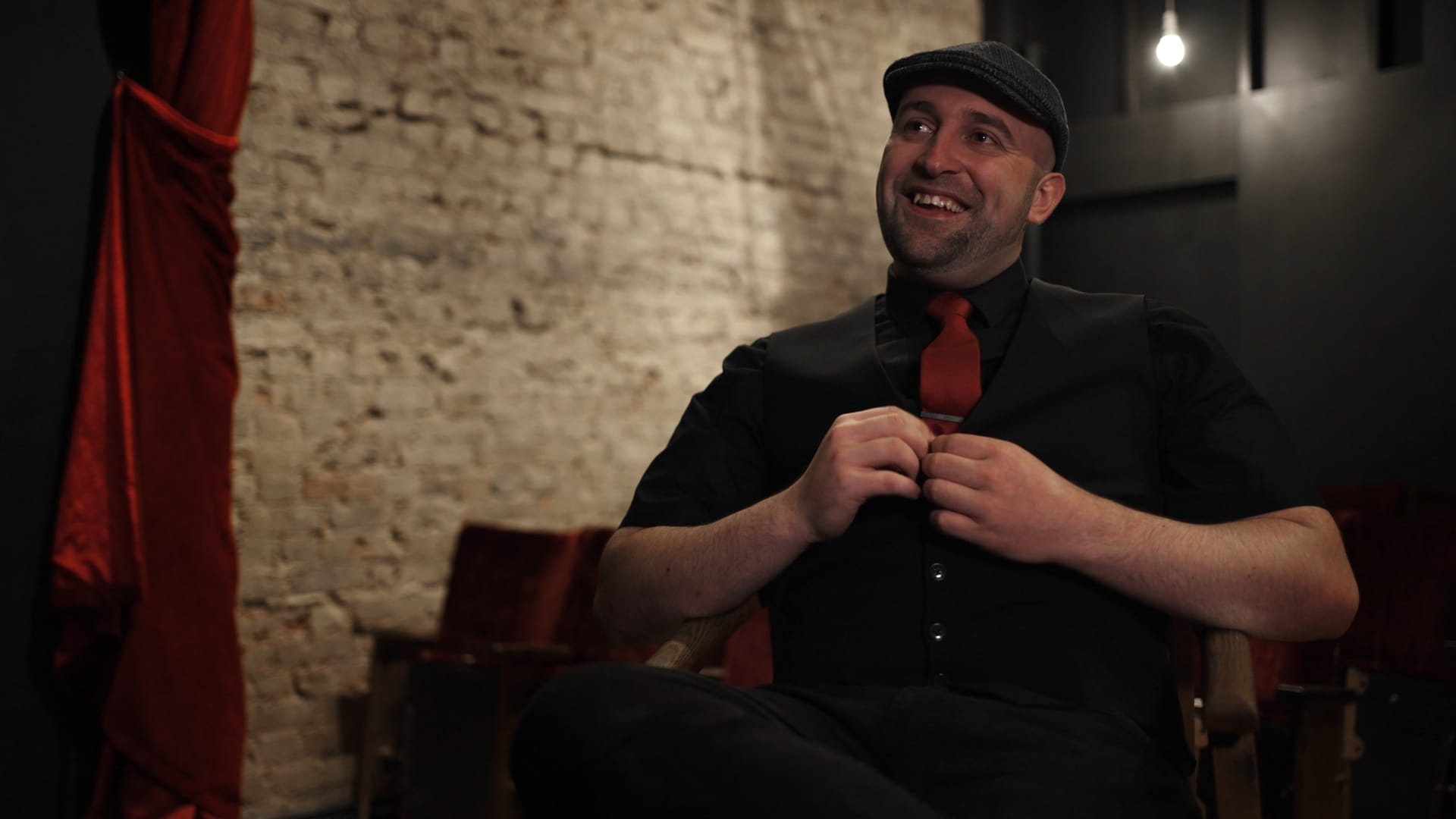
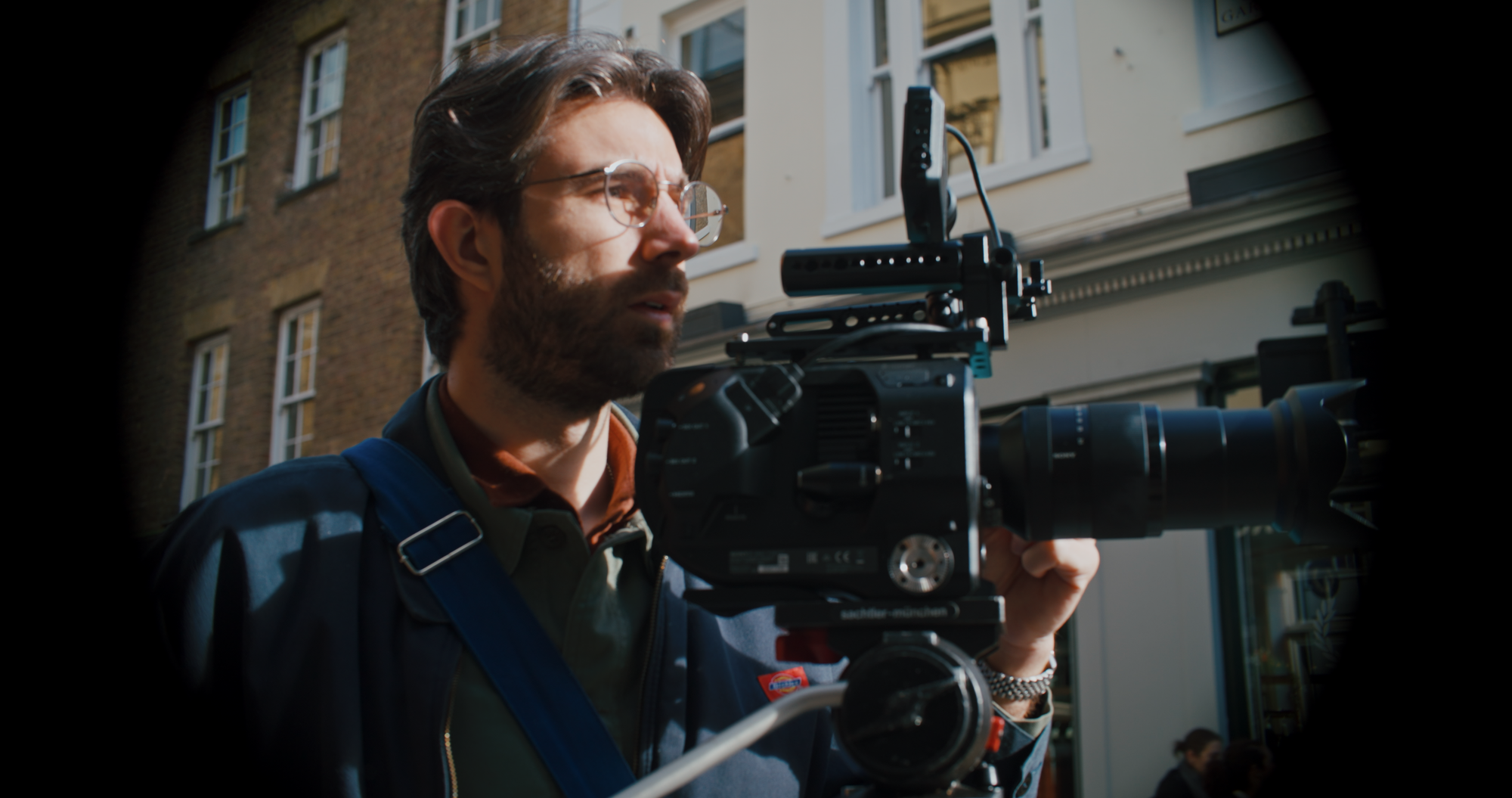
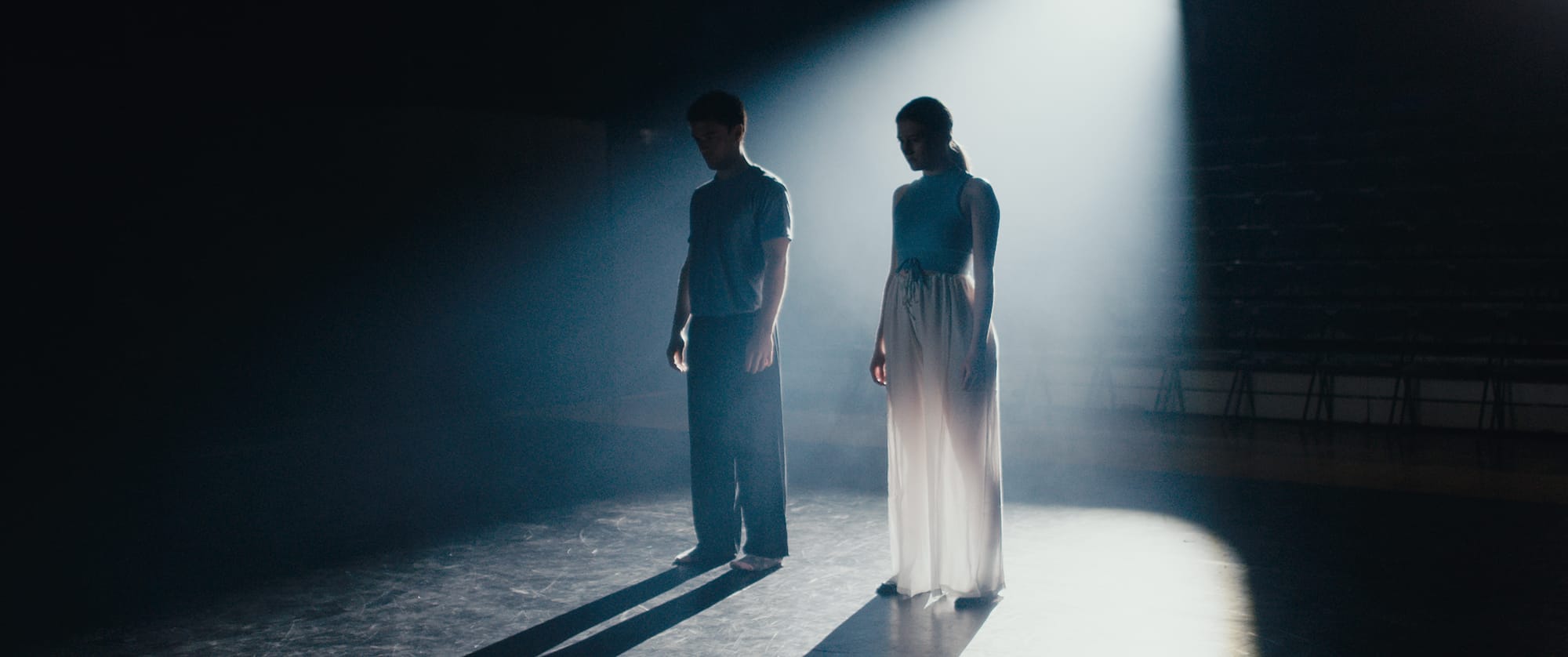
IK: The films we make are incredibly diverse, and that is one of our strengths. With three directors at the heart of the studio, all with very different cinematic voices, the work can move freely; from the intimate to the abstract, the strange to the stylistically adventurous.
What ties it all together is not genre or style, but feeling. We want to make films that are cinematic, sensory, and alive, films that move people and bring them closer to their humanity.
In truth, the work begins with us. We make these films because we feel compelled to, because there is a creative itch that needs scratching, and because these are the kinds of films we want to see in the world. But once they are made, they are there to be shared! With our community, with audiences, and with anyone open to bold, artist-led cinema.
How do you work with your community?
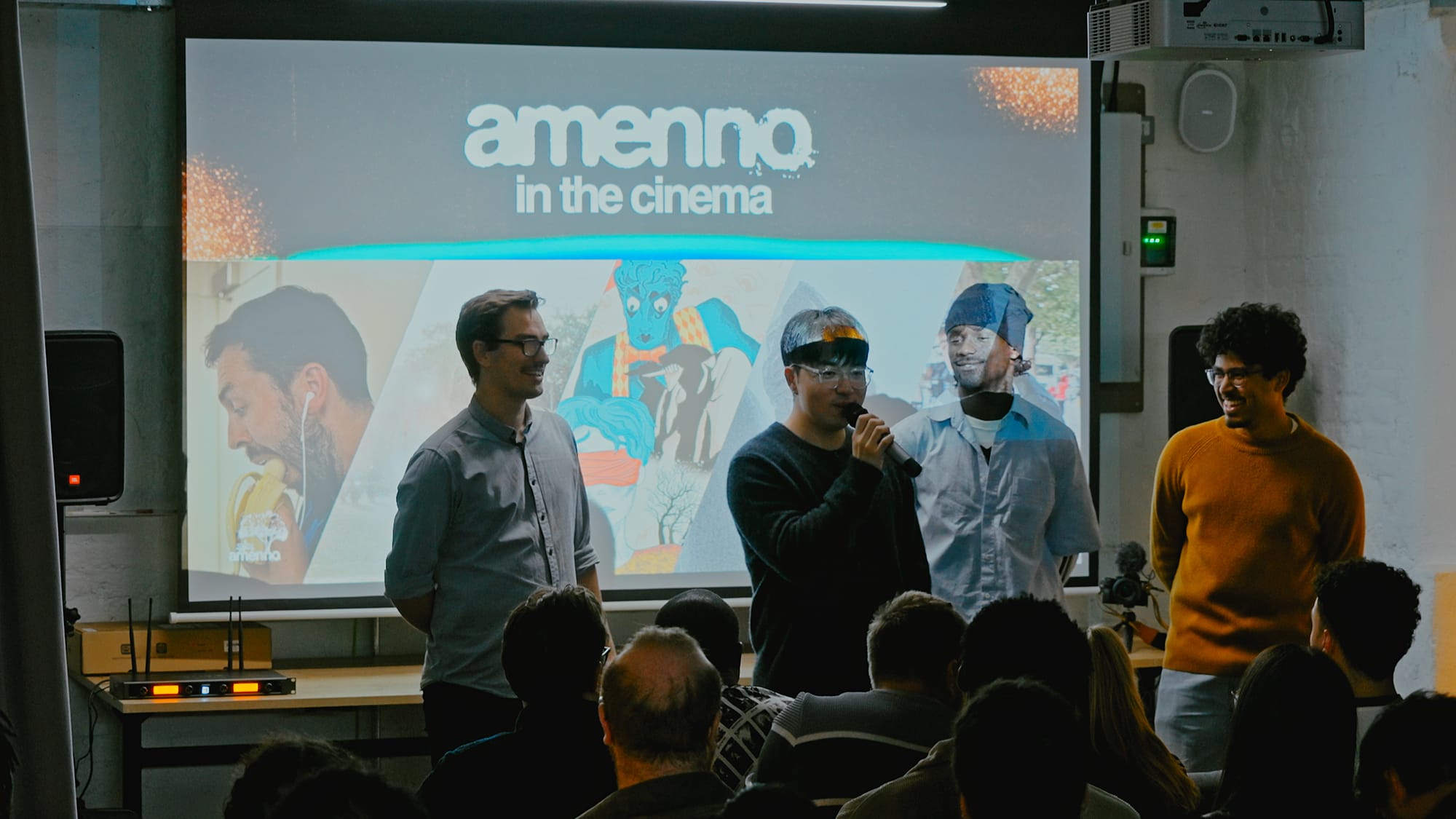
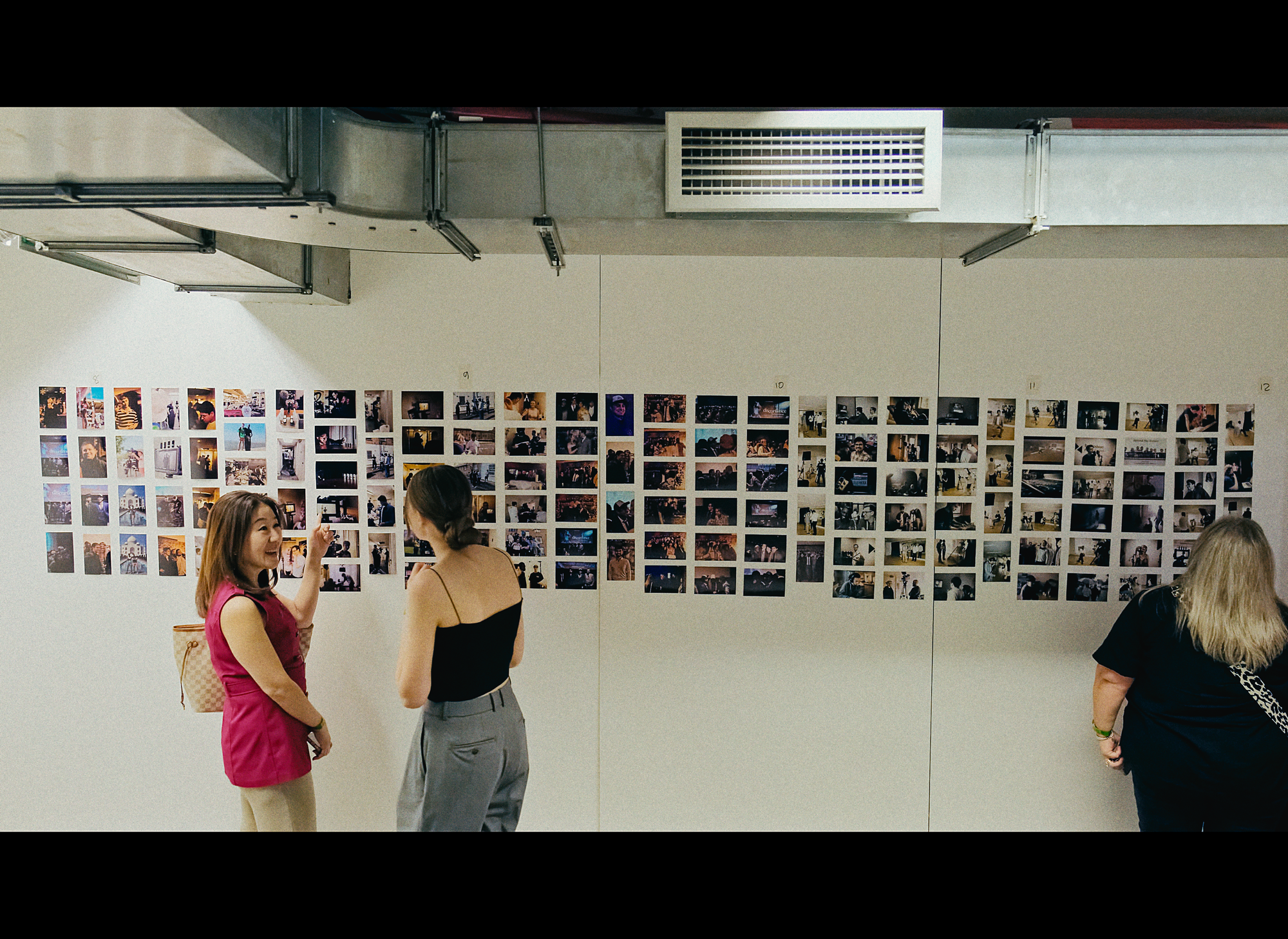
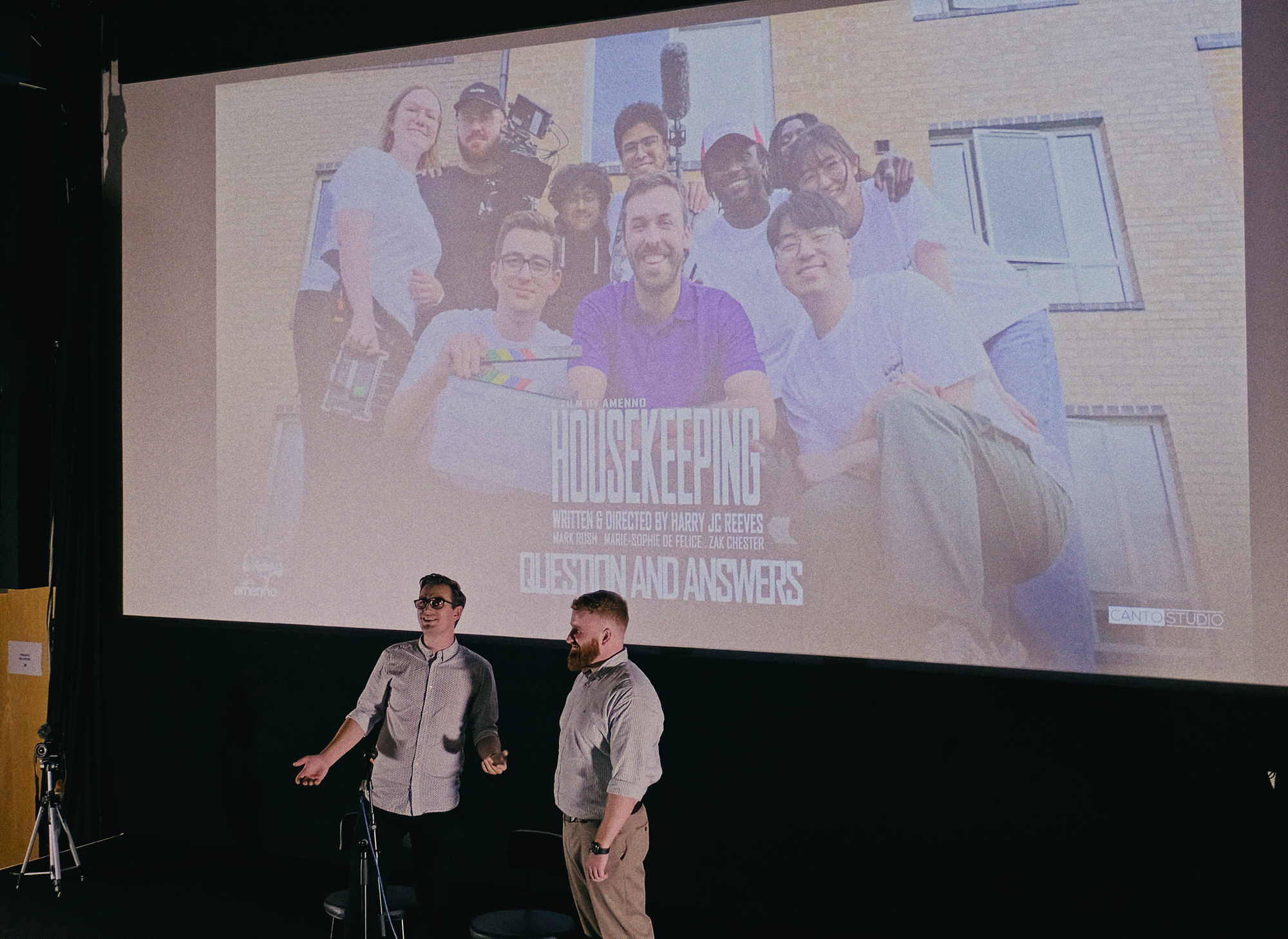
HR: Our community means a lot to us. We are connected to so many talented filmmakers, artists, and people who all bring something valuable, and Amenno would not be what it is without them. We work closely with a lot of people in that circle, often more than once, because there is real trust and respect there. Even when we are not directly making something together, we still try to champion their work, exhibit their films, and bring them into the wider conversation.
For us, it is all about growing together, building together, and pushing each other towards being the best artists and people we can be. Community is a huge part of what Amenno stands for.
Tell us about Amenno events – what is the ethos and meaning?
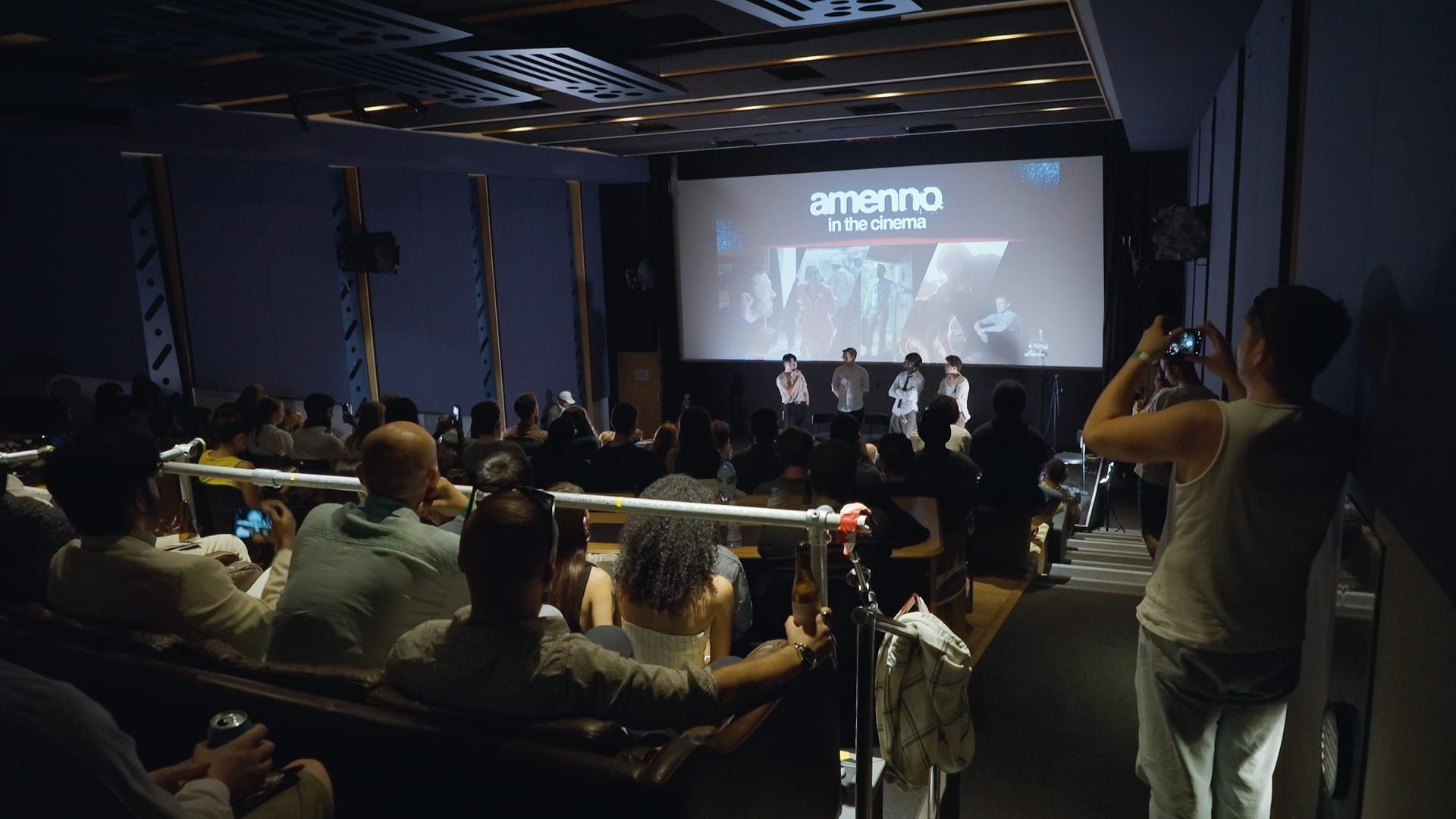
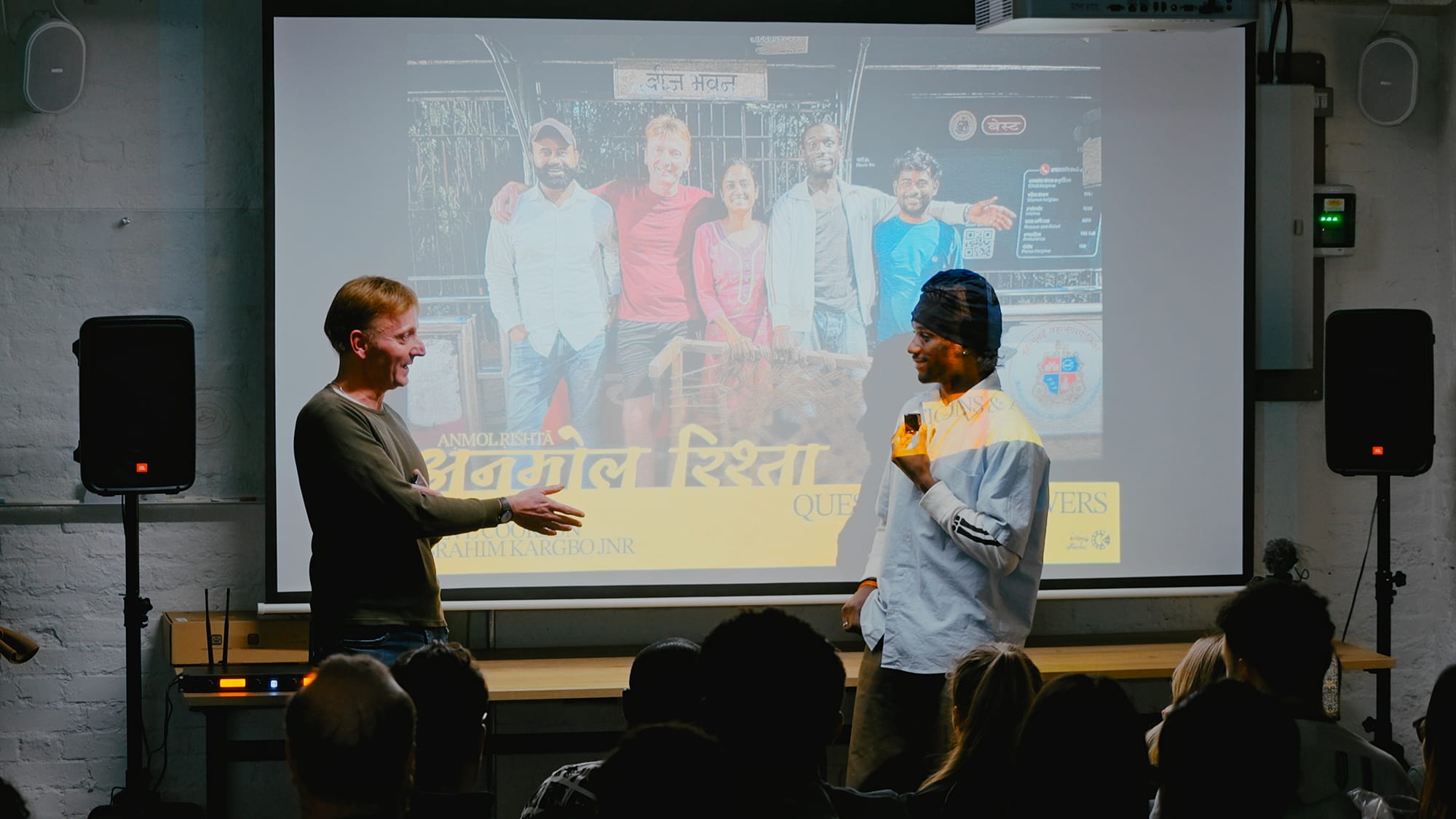
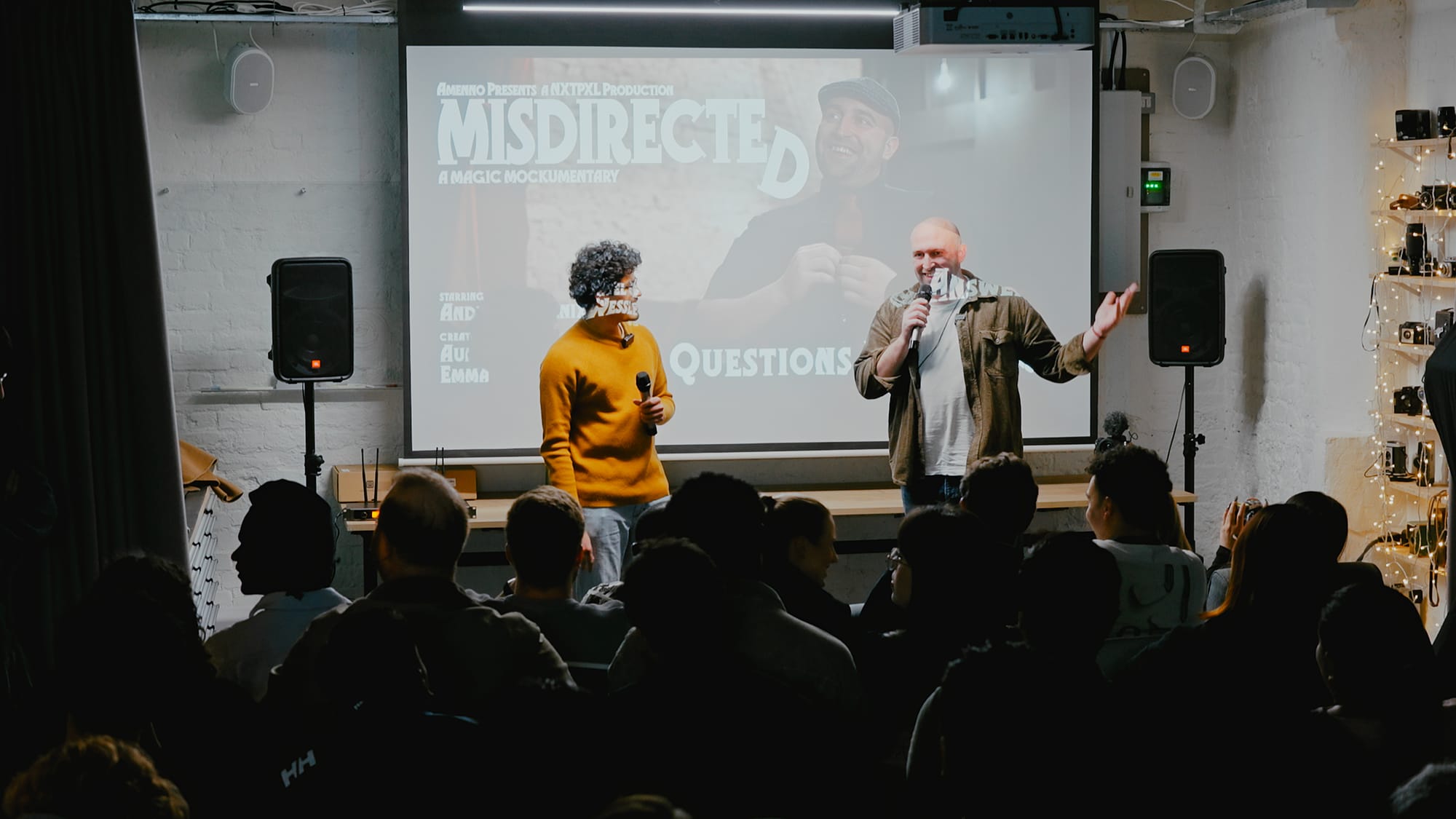
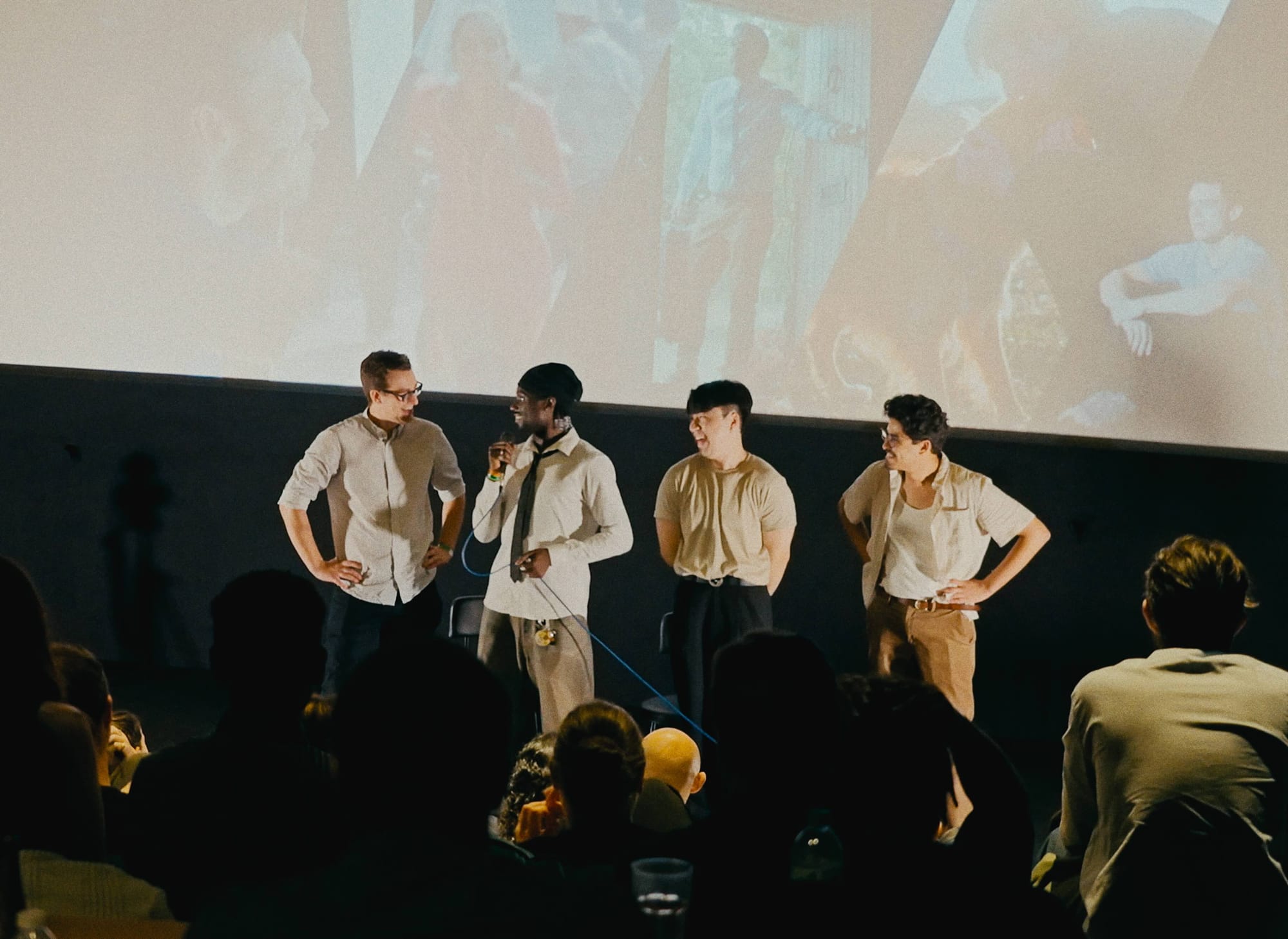
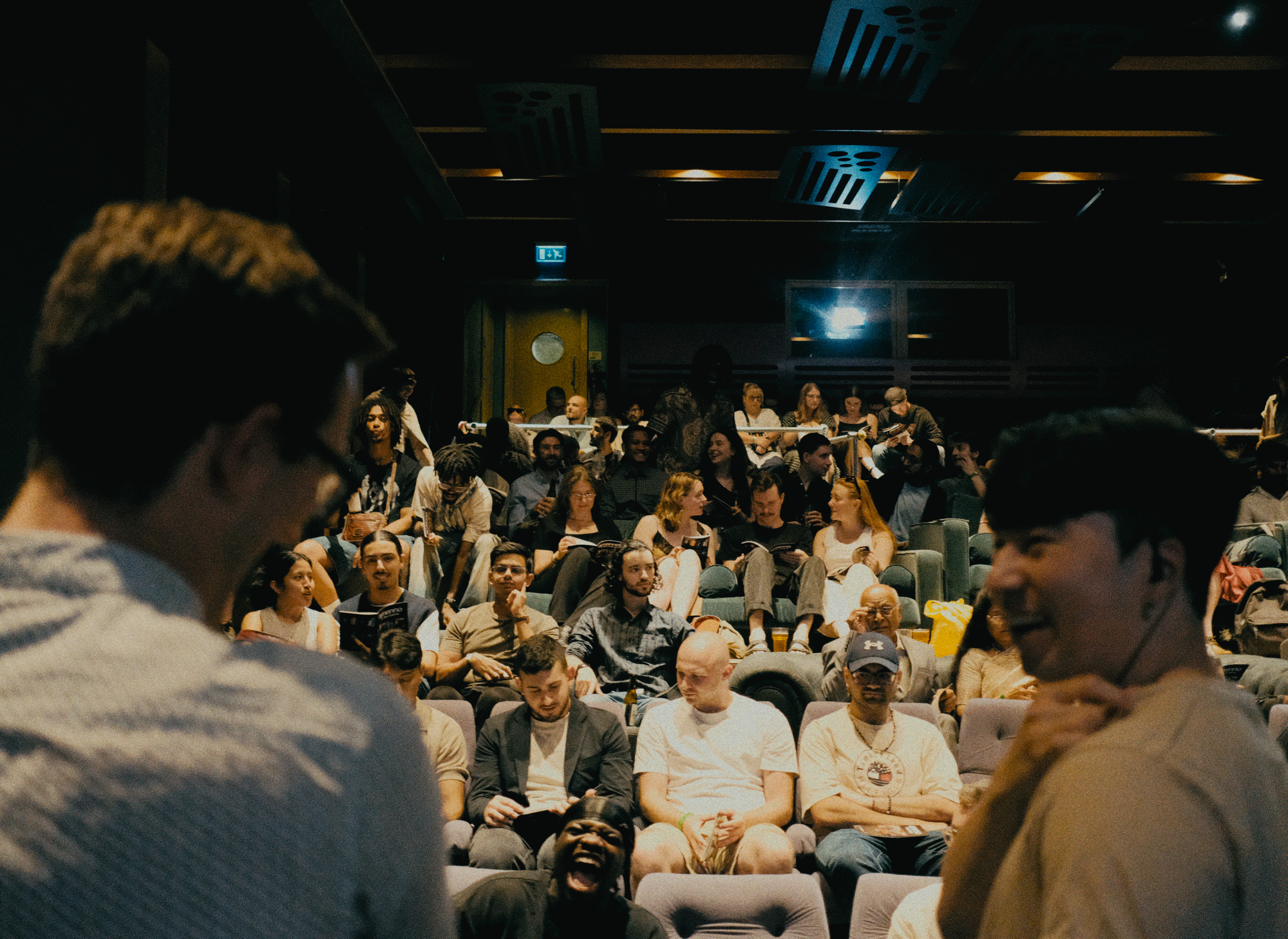
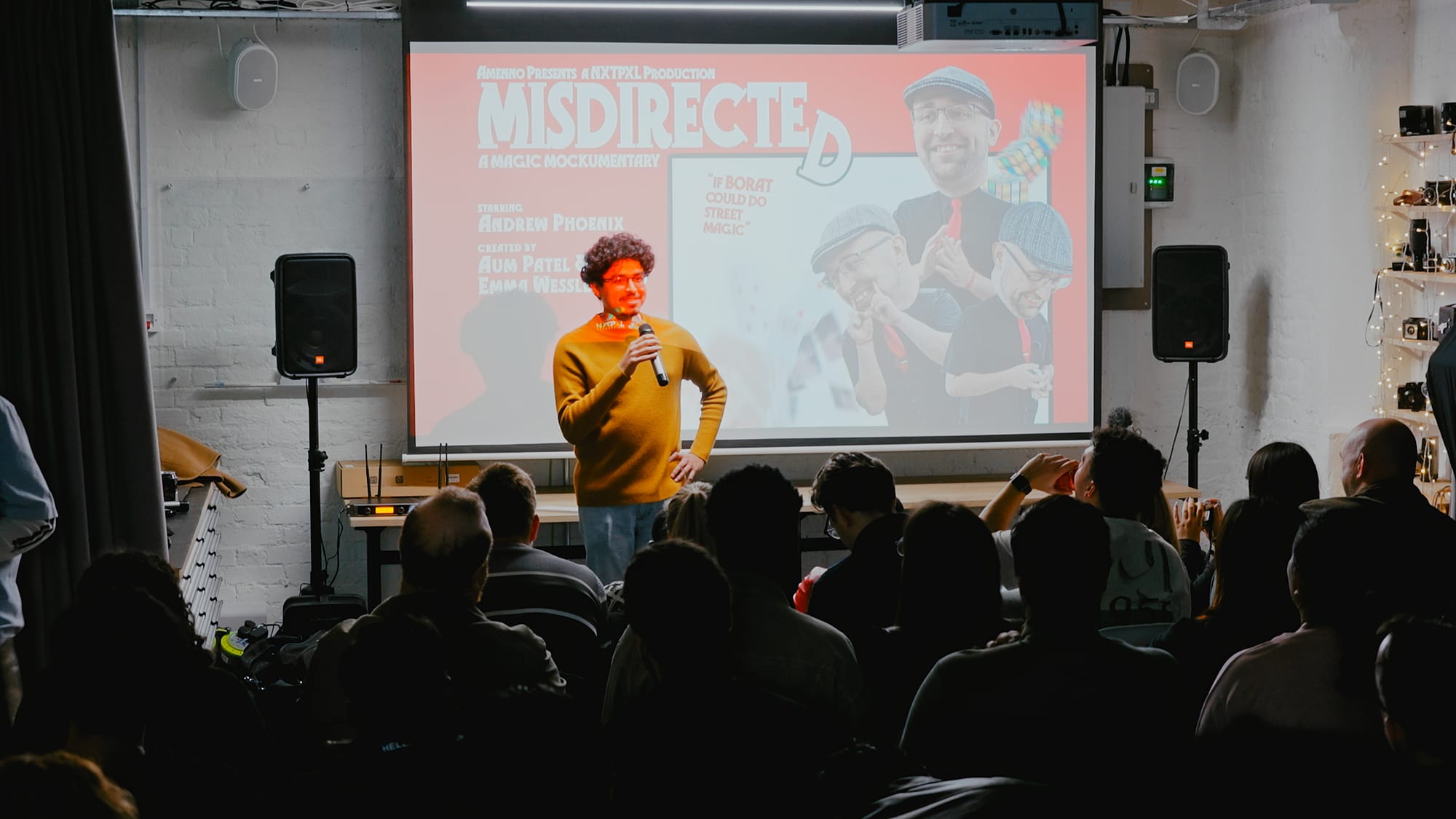
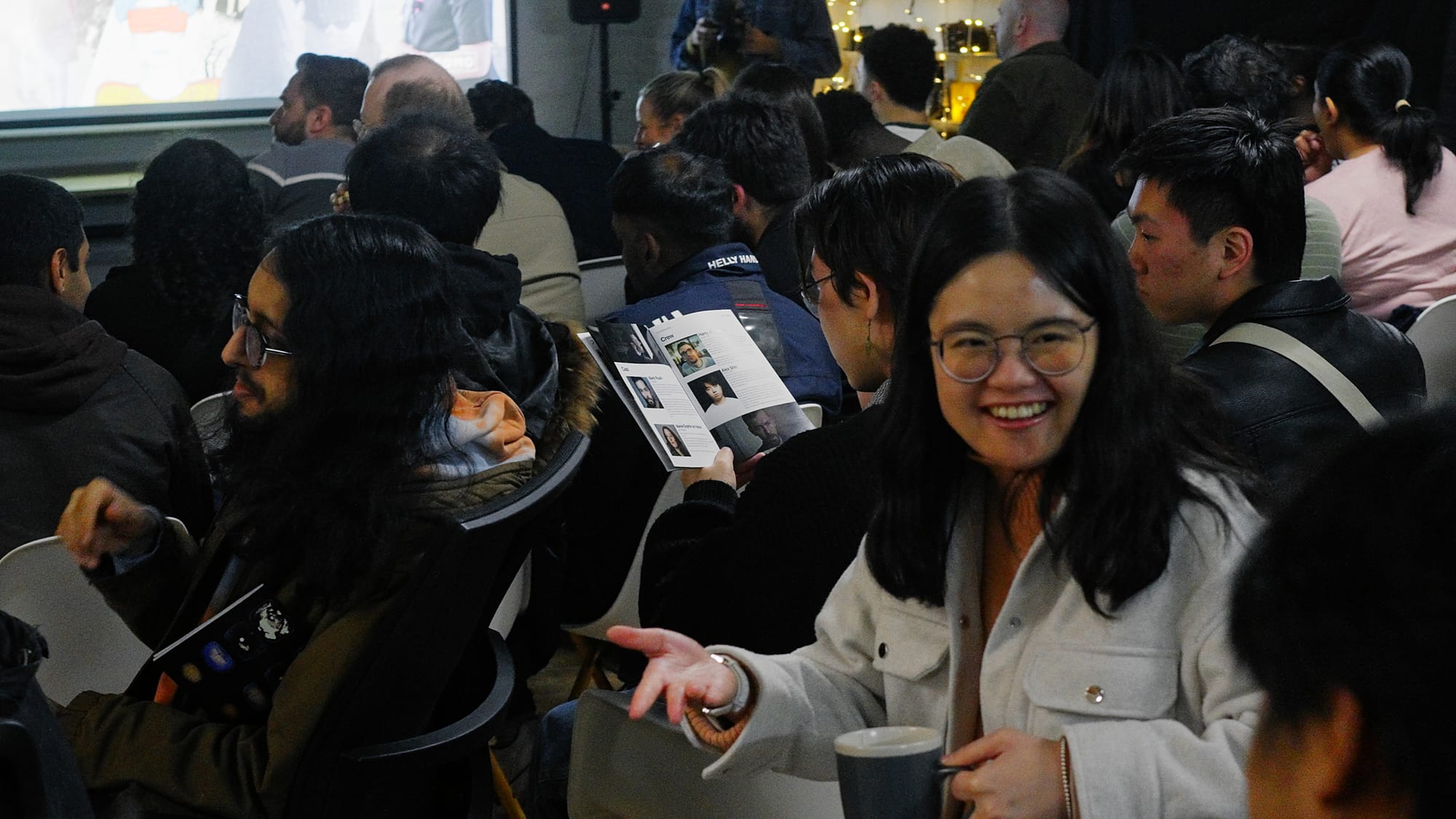
IK: Amenno events are about giving grassroots film the kind of space and care it deserves. We want to get films that are born underground into the places they are meant to be shown; the cinema. To give those artists behind them a proper platform. At the centre of it is good films, good people, bringing audiences and filmmakers together in the same room, creating real conversation, and giving people a chance to look behind the curtain and connect with the craft.
When is the next one?
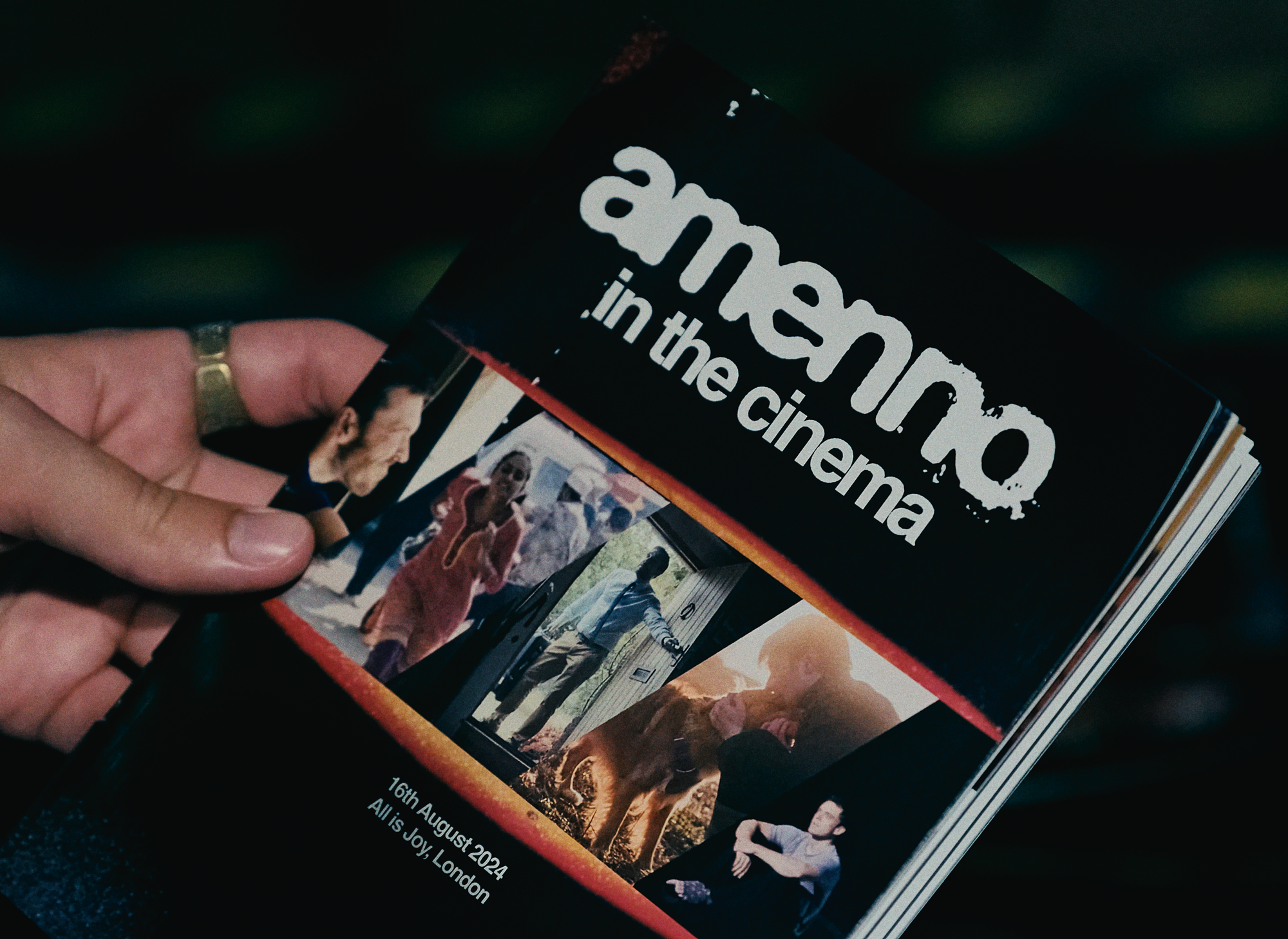
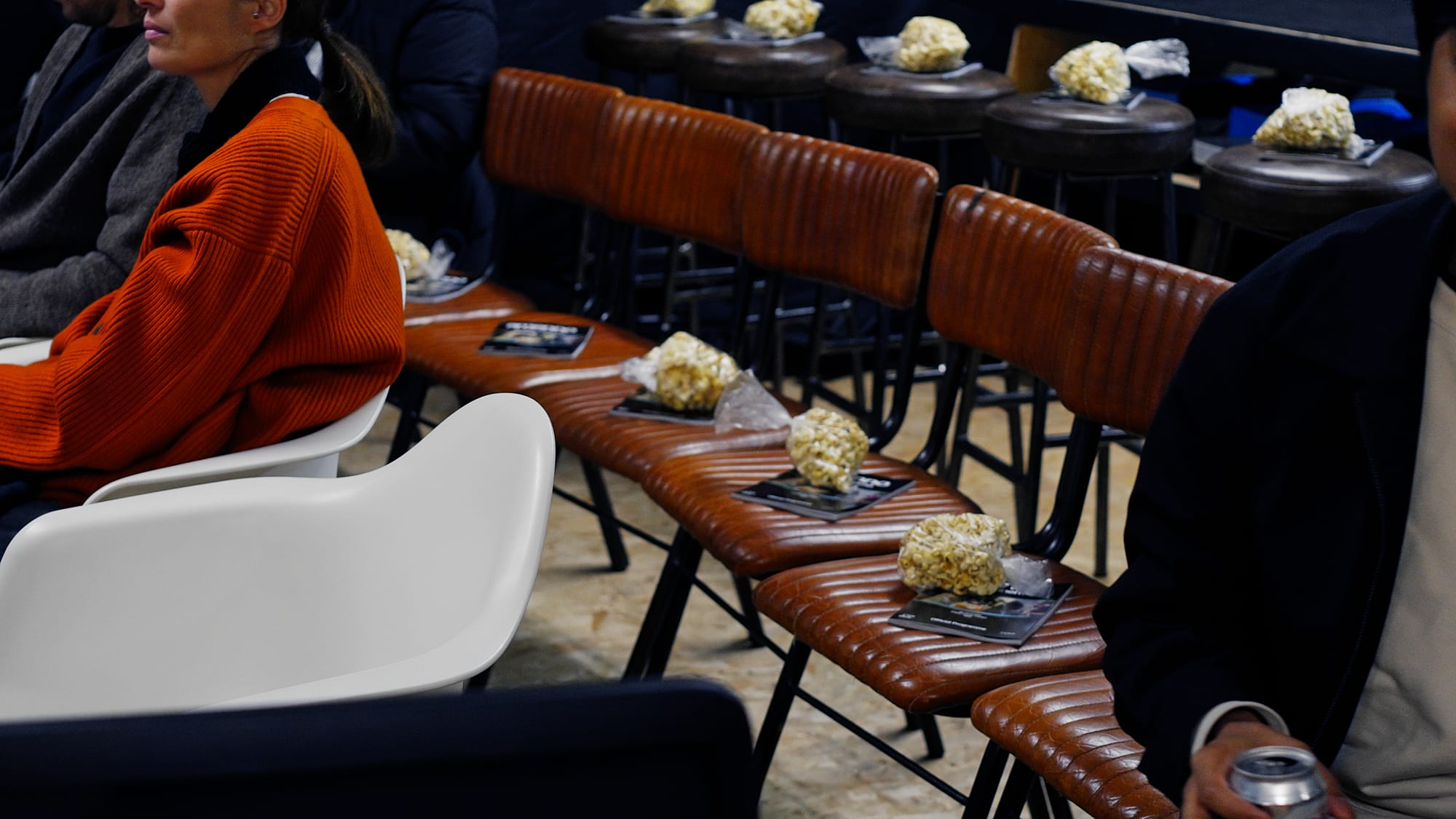
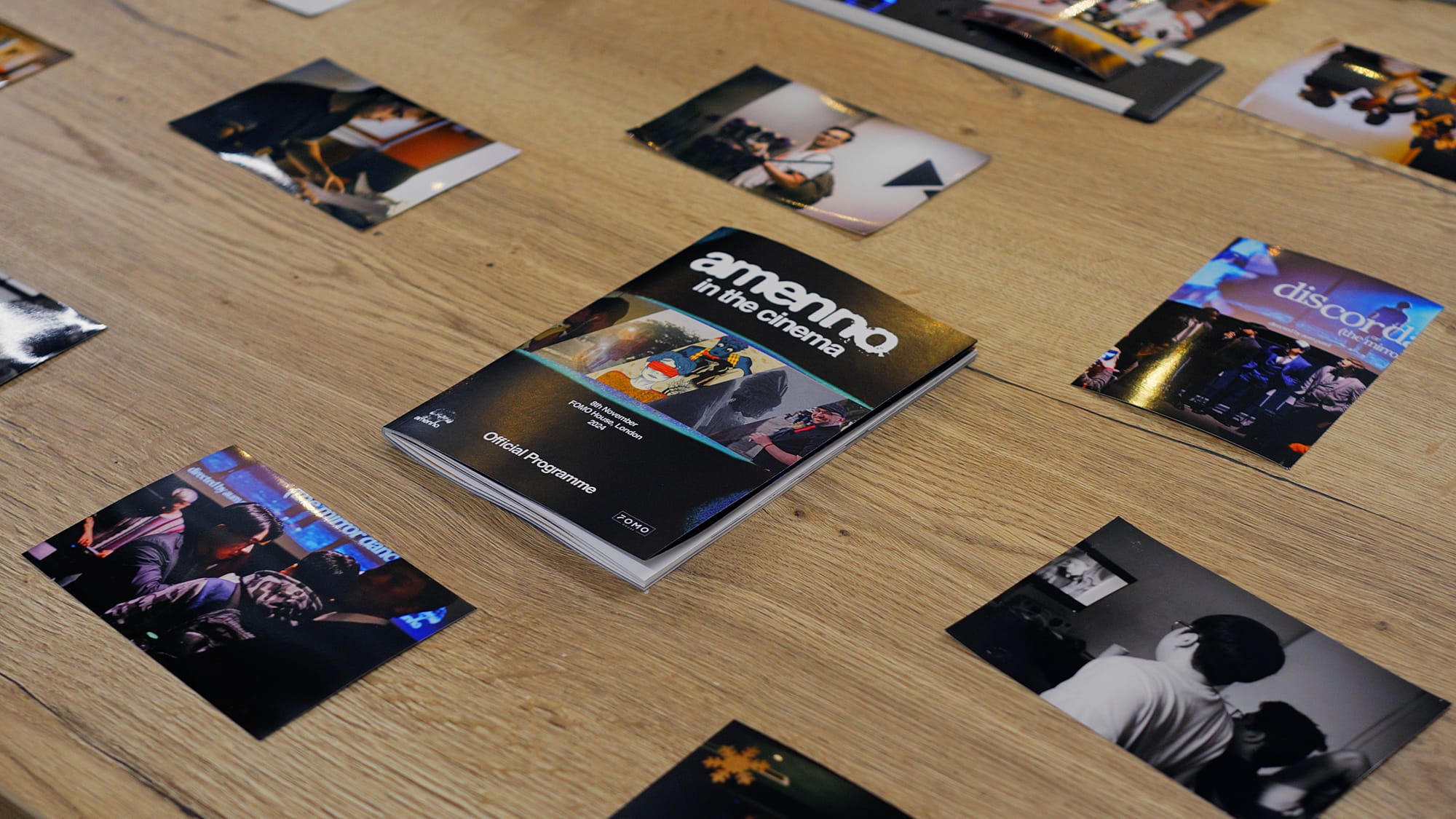
HR: Our next event is on 16 April in Soho at the Courthouse Hotel Cinema. It’s a 100-seat screening. It will be a really exuberant night! Great films, a wide mix of voices, filmmaker Q&As straight after the screenings, and the kind of atmosphere where people actually stay, talk, and engage. Some of the filmmakers are award winners, some are showing work for the first time, so the energy is always fresh. We also put real care into the wider experience; booklets, merch, and beautiful venues that make the whole thing feel special.
What is next for Amenno? What does the future hold?
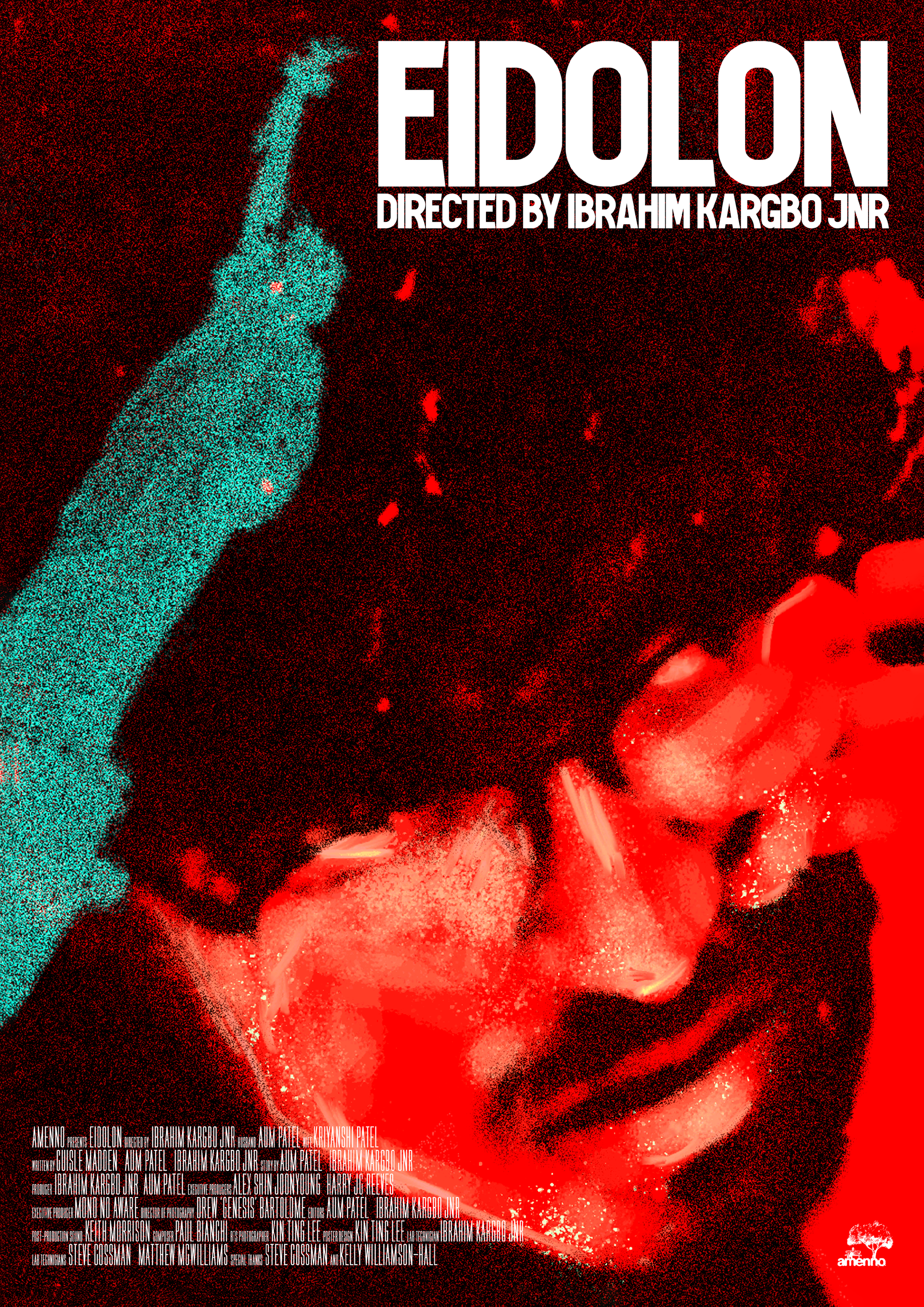
HR: We want to keep championing the incredible work of our peers while pushing ourselves to make stronger and stronger films with our own cinematic voices. 2026 feels like the start of a new chapter, with a fresh slate of work beginning with Eidolon screening at Amenno in the Cinema on 16 April. Naturally, the road ahead leads towards features which is a real ambition for us. Alongside that, we want to keep widening the circle, bringing in new voices and partnerships through film clubs and new formats like our future Amenno Presents which is dedicated to spotlighting the best underground talent the UK film scene has to offer.
What advice would you give to anyone looking to make a film, or start their own screening/film collective?
IK: Use what you already have, lean on the people around you, and build from there. Go to set, go to screenings, learn from what others are doing, steal what works, leave what doesn’t, and make your own thing.
HR: At the end of the day, no one will care about it more than you, so trust your instincts and get on with it.
Be brave and just start.
We're constantly on the look out for new artists, creatives and initiatives to feature in TheNeverZine - so if you are, or know someone who is going their own way and doing their own thing on their own terms and would be a good fit to feature please smash that button below and get in contact. By talking to each other, and sharing our journeys, ideas and insights on creativity, art, mental health and resilience we can all create, share and thrive together. Nice thought that.
PS - Don't forget to subscribe below for more content from TheNeverPress 👇