
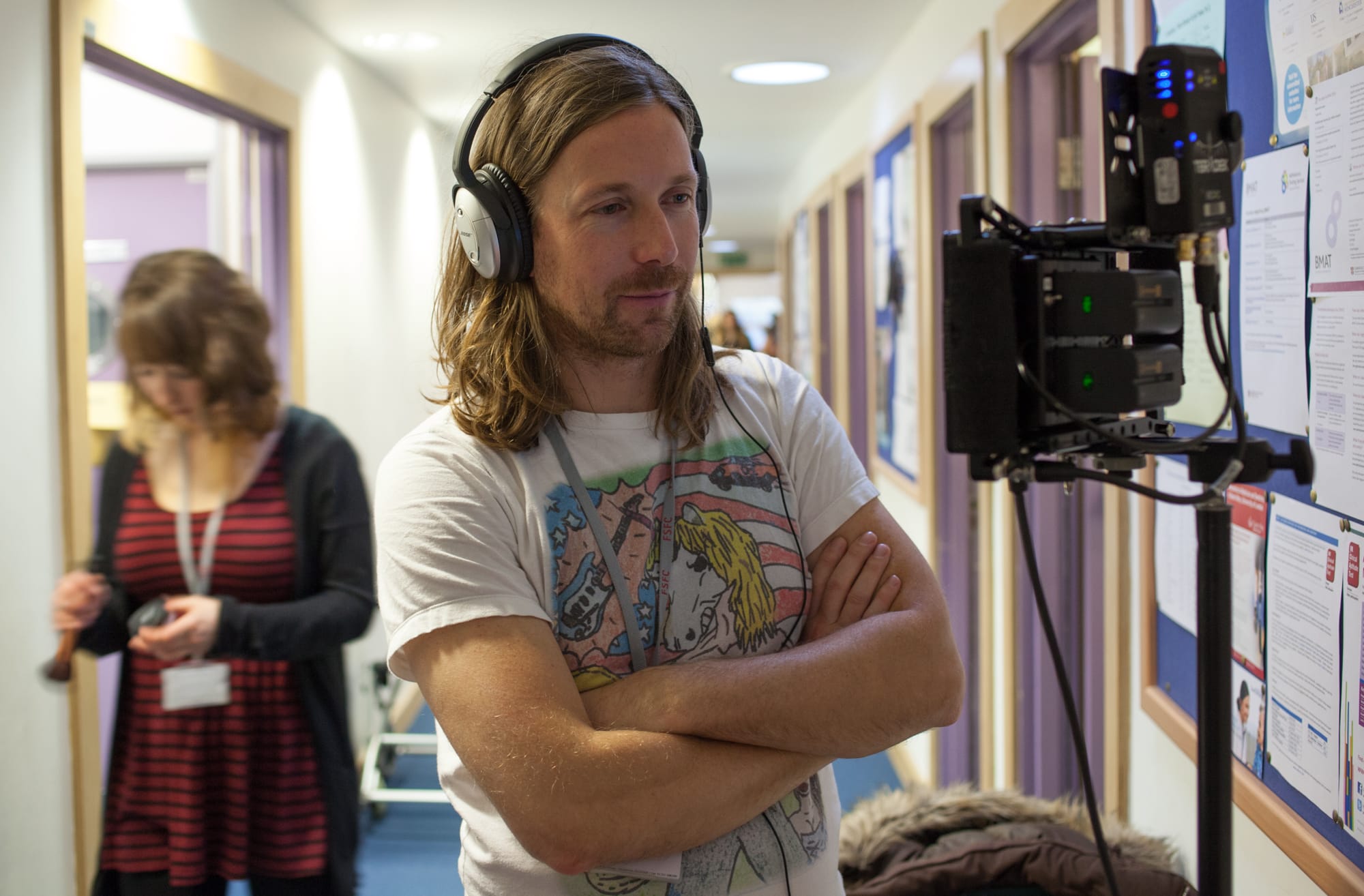
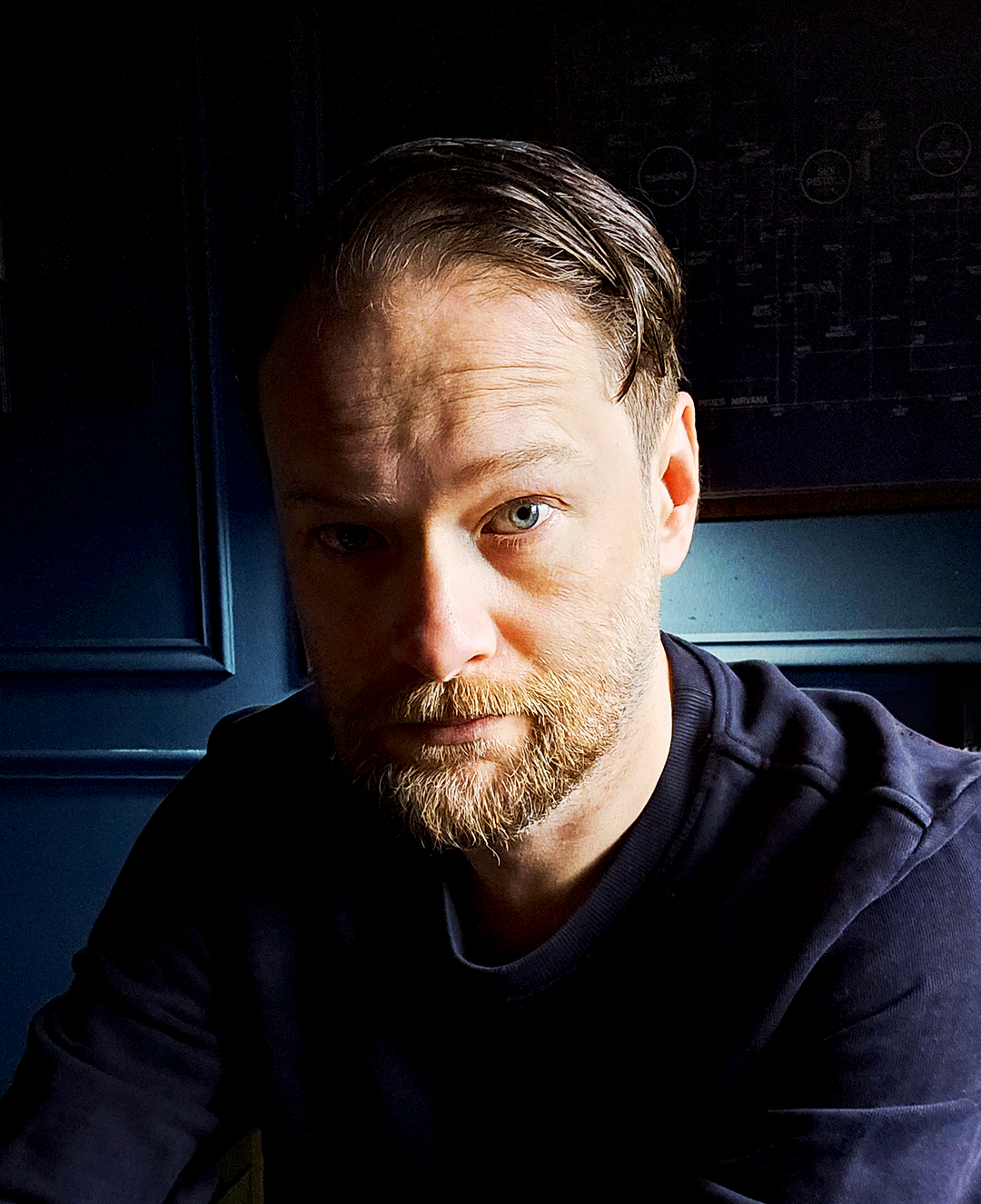
From his band days, to composing operas and musical scores, to script-writing and filmmaking, Alex Taylor has always followed his vision and stayed true to his voice.
Alex Taylor is one of us - he is an outsider who thinks differently, and does things differently. His films are beguiling and abstract, often heavily improvised and built upon found moments and accidental beauty. He operates in an artistic space that is both outside of the mainstream but also courted by those channels. A beautifully strange one and we're so happy to spend time with him to chart the journey from short film beginnings to feature film magnificence. We're getting into the ins and outs of it all - the nuts and bolts of actually making a film, and the path one takes as an artist. Make a brew and settle in, this one is a peach.
Alex! It's been so long, fill us in and tell us about your filmmaking journey!
I came to it through music, I was trying to be a film composer and did the scores for the upcoming directors from the NFTS and LFS, but after making their short films none of them were making the transition to feature. I just woke up one day and realised my fate was tied to theirs, and if they didn’t make it, neither would I. So I phoned Hackney Council main switchboard and asked if they had a film fund and luckily they did. I applied with a short film script and got through the interview, made the film (Kids Might Fly), and didn’t think much more would come of it. I got a call from Film London telling me they wanted to nominate it for the Best of the Boroughs award. They had a ceremony at Bafta and I just was so shocked when they announced that we had won. Then we got accepted to SXSW festival in Austin Texas, and we won a Special Jury Prize, and then a lot of festivals started inviting us, and we won a few more awards around US and Europe. That kind of put me on the map for the funders, and agents started circling too.
Tells up about graduating from short films to a feature with Spaceship – what was the process and how did you manage it?
By the skin of my teeth. I was working as TV editor on a David Attenborough nature doc in the Galapagos Islands. I’d applied to this first time feature film fund called iFeatures, not thinking I had much chance. I got a call from the producer saying we’d got an interview, but it was scheduled to happen while I was still in Galapagos. I checked my contract and for some reason they had us on a rolling weekly basis, so I just gave a week’s notice and there was nothing they could do. I figured it was worth a shot. Luckily it worked out, we got one of the 3 places for film funding. It was pretty brutal as we did workshops with all the teams and we kept seeing people being selected in or out. But worth it in the end!
With ‘Kids Might Fly’, ‘Release The Flying Monkey’ and ‘Spaceship’, you’re commenting on, and invoking the teen experience. What is it about that period of one’s life that speaks to you?
I probably connect with their rebelliousness and freedom to explore who they wanna be, and how at that age they feel that adults don’t understand them. There’s an outsider element with almost all teenagers, or at least through my experience. And in that is an energy you can harness to go to fascinating places.
Your films are loose, real and seemingly made of improvised moments and feelings – how structured are you in pre-prod, on the shoot and in the edit?
Yeah, I do use a lot of improv, and try to bring the real lived experiences of the actors - who I try to cast as close as possible to the character - into the fabric of the film. But I always have a script to start with so you have something to fall back onto, and then I try to weave improvised moments into that. We shoot a lot more material than we need in the edit, so a lot of the structuring is done in post. If you’ve shot exactly what you think you need but no more, and then in the edit you realise it doesn’t work, then it’s too late!
Your work goes against the grain of ‘standard’ cinema fare – abstract, magical and offbeat. How do you ‘sell’ your vision to backers and producers if there is a no ‘traditional’ narrative to cling to?
It’s both a blessing and a curse. On the one hand my stuff tends to stand out sharply against other UK directors, and I’m usually trying to sell a vision that not many other people are doing - which is like a unique selling point. On the other hand, the question is ‘who is the market for this kind of film’? It was really difficult to find a market for Spaceship, and the distributor ended up pitching it as a kind of ‘Stranger Things’. But it’s more of an alternative indie / experimental film, so that didn’t quite work.
No-one really knows if a film’s gonna land or not, so I think the best way is to just follow the film you wanna make, the one that’s essential to your being, and then try to find collaborators, producers, funders, who connect with it.
Filmmaking is incredibly complicated, logistical and laborious – how do you negotiate these requirements when working with young actors, or performers with limited experience in film work?
This is mostly down to having a great production team - great heads of departments. I didn’t find directing Spaceship laborious or complicated because of my amazing team, and I only found out about major problems we had during the shoot after they had already happened.
For example, we started with a lighting crew who we discovered were nicking equipment and hiding it in their van, when the producers confronted them and asked to search the van they drove off. Apparently it ended with a car chase on the motorway with the police offering to take the van out with one of those stinger things they lay across the road to burst the tyres. We needed the van as it was ours, so eventually they stopped them without doing that. Then they got a better lighting team in. I only found out about it a couple of days afterwards!
What is your writing process – what are you looking for in a scene and in a narrative?
For scenes, you have to move the narrative along, of course, but I don’t like when scenes are too functional. I want them to exist in their own right, so I think of them almost as side quests, as areas of the world that I want to explore, rather than just there to forward the story.
I want to take the audience into another world, the film has to be it’s own world that you can disappear into, where the strange things that happen make sense.
What have been the specific moments in shooting or editing when you have thought ‘that’s it, we’ve got it’ – when did the dream come alive?
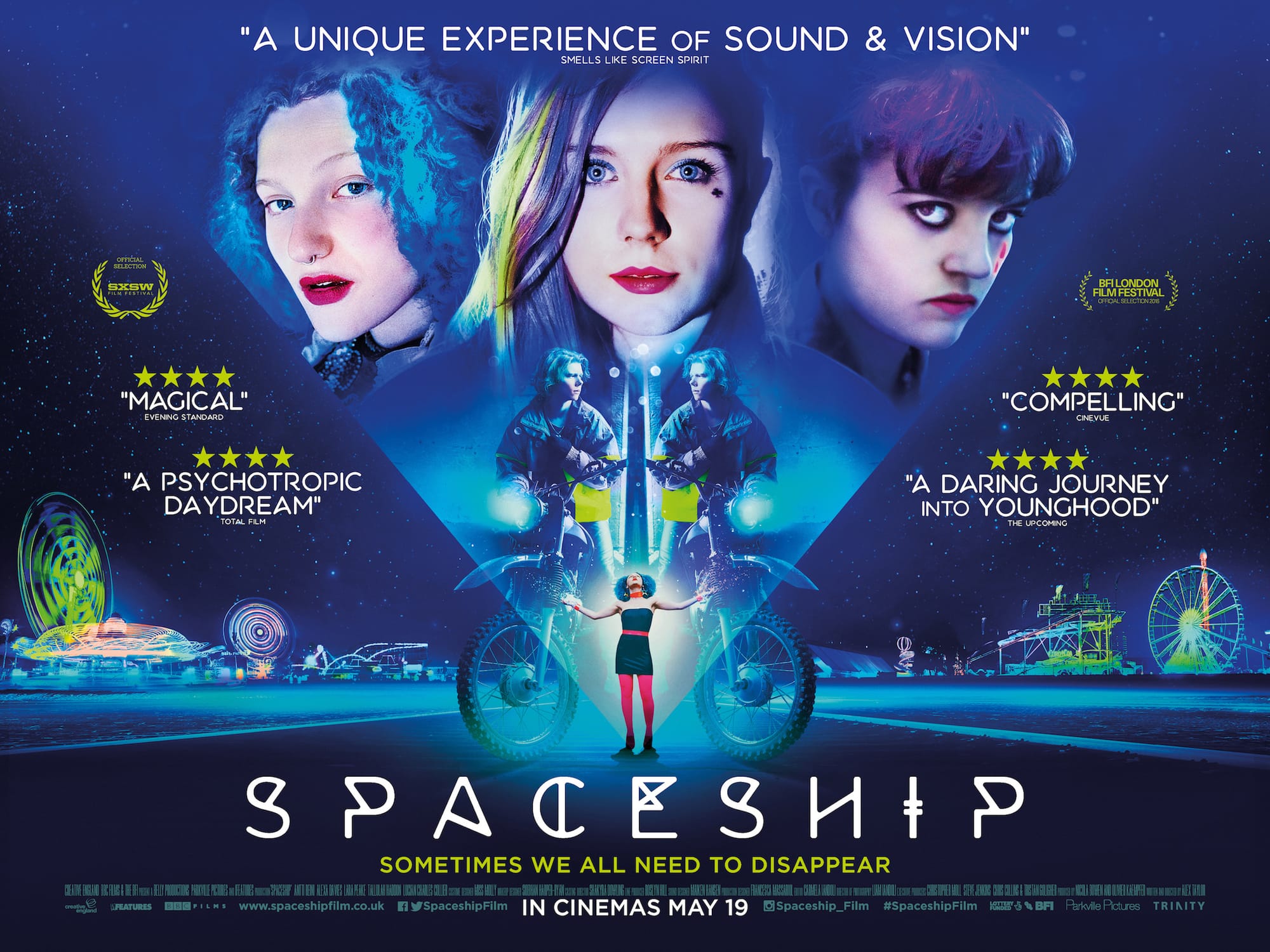
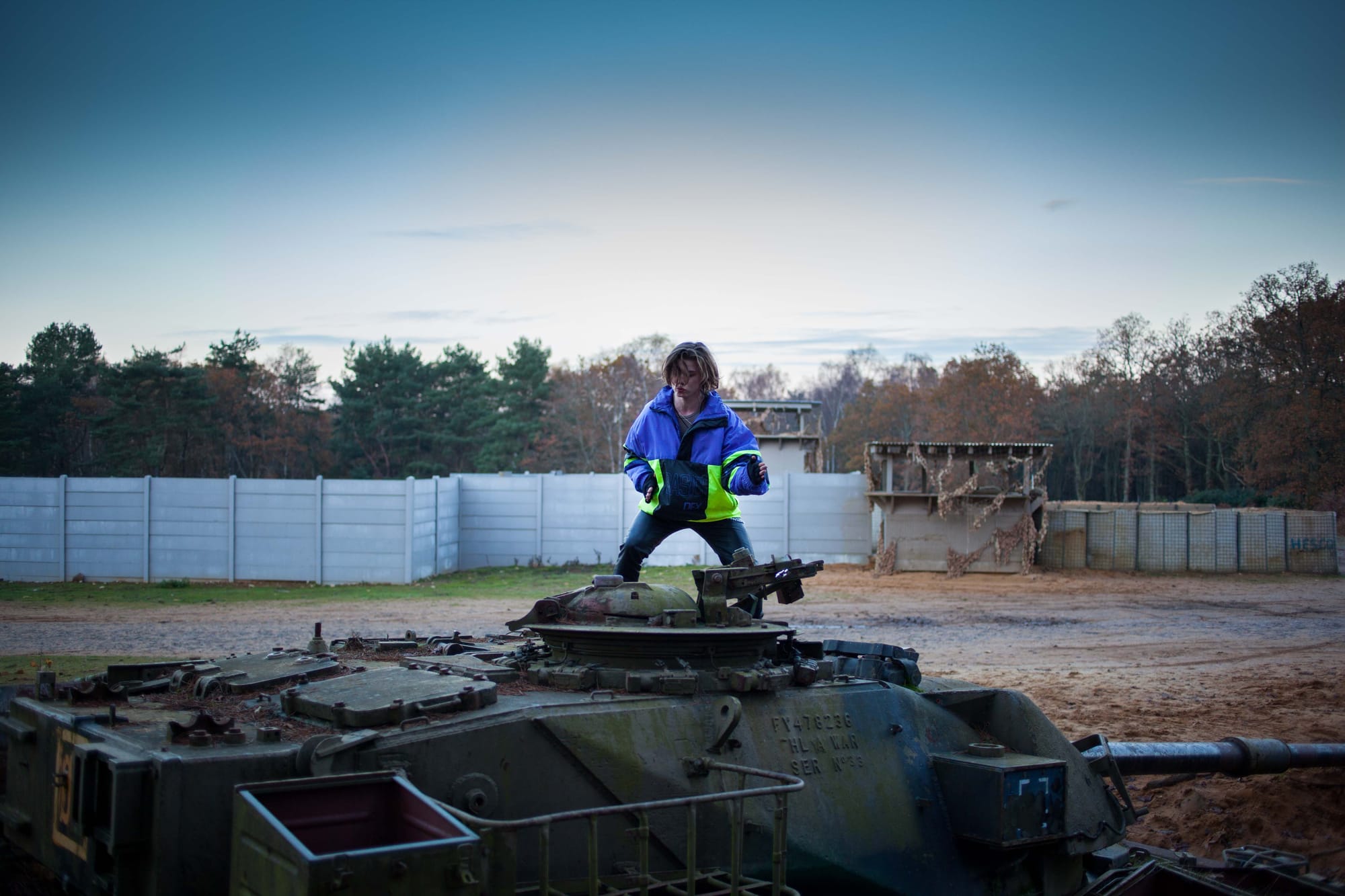
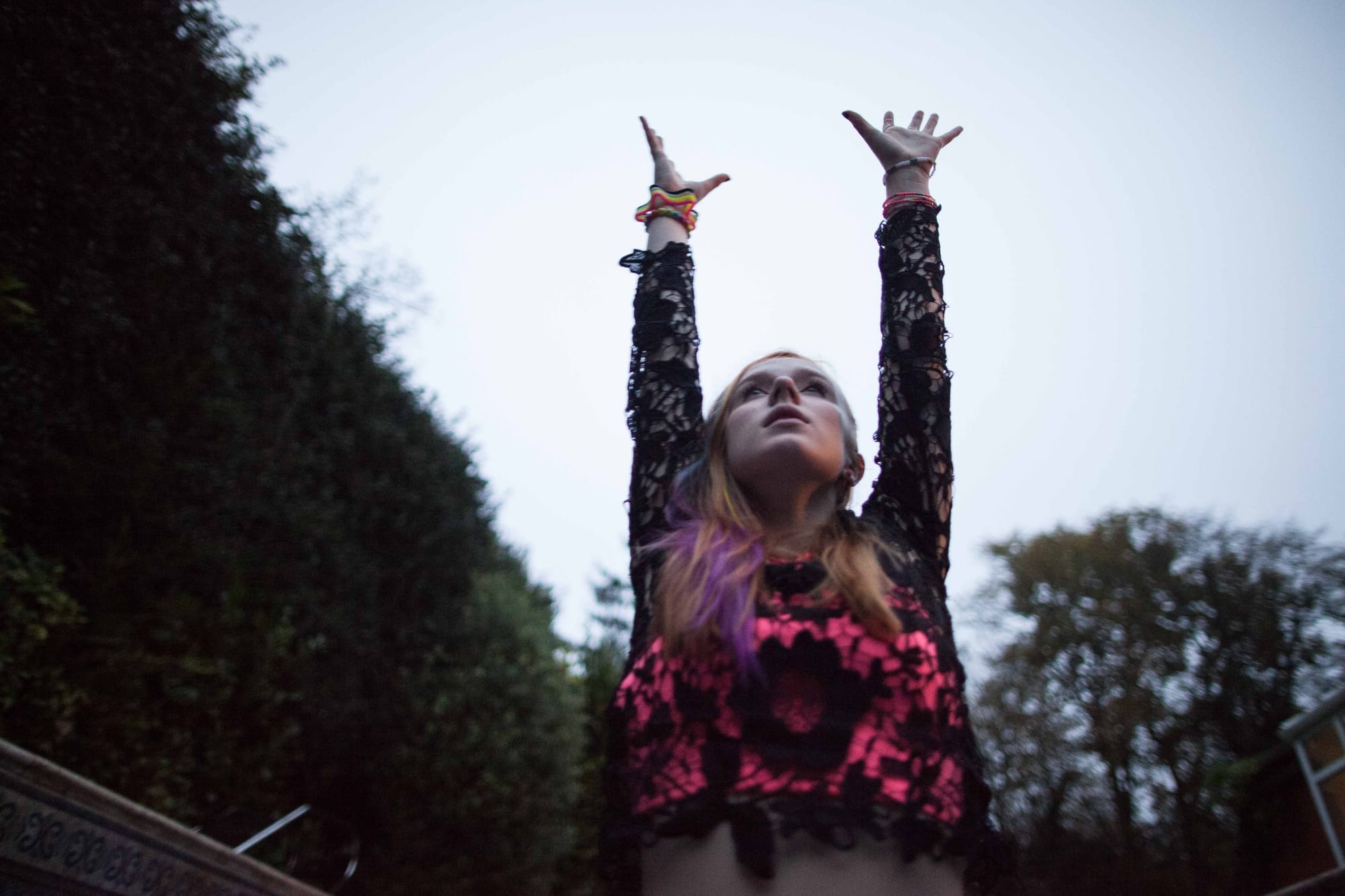
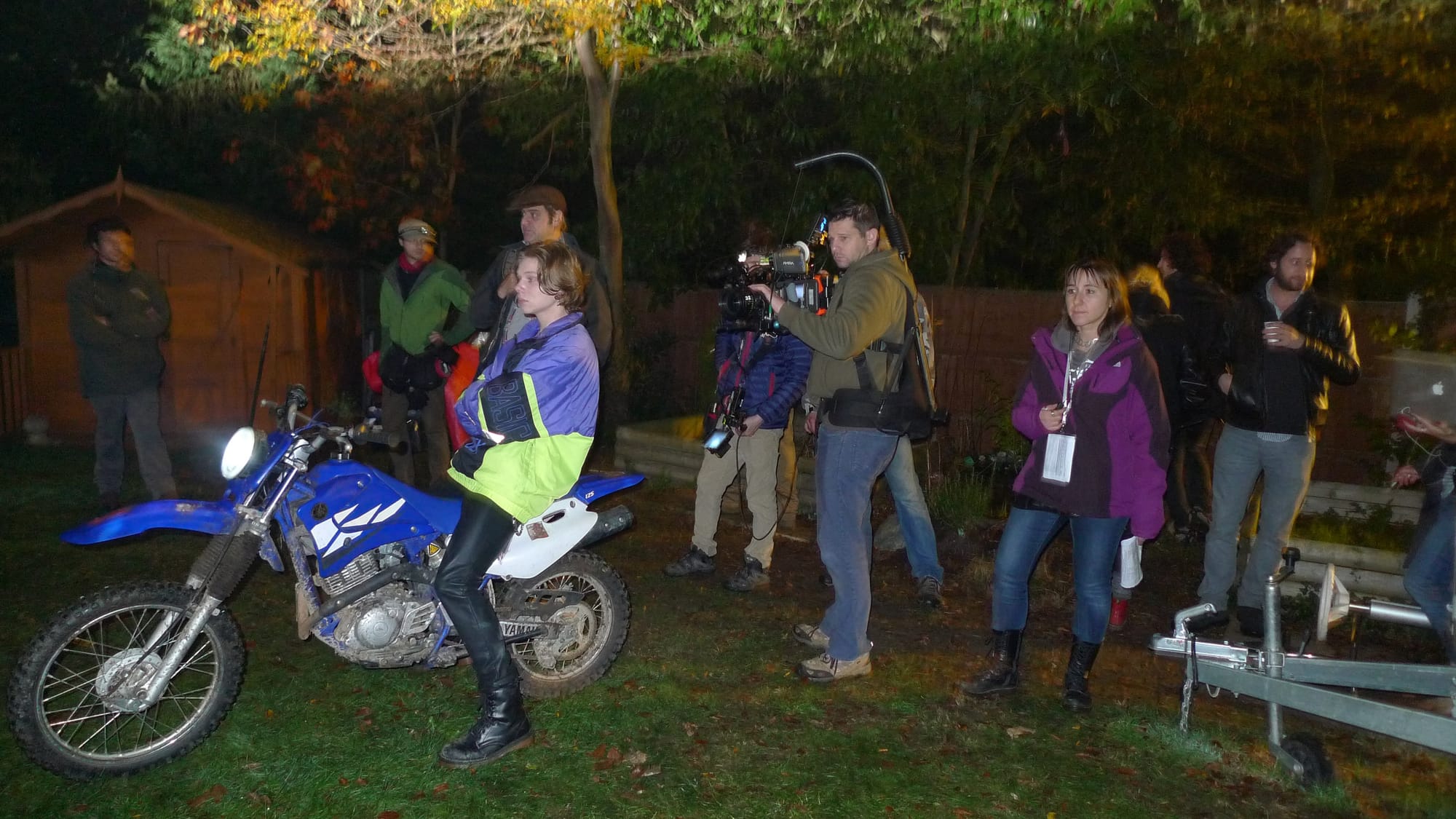
On 'Spaceship', I decided to cut the planned dialogue scenes one afternoon while filming on the Longmoor military camp as I just wasn’t inspired by them. There were blown up tanks and helicopters for training purposes and I remembered Lucien, one of the actors, had studied ballet, so I thought let’s film him doing ballet in his 80’s ski jacket on one of the tanks. I really loved the spontaneity of the moment and the footage was so beautiful, that’s one moment I just thought I’d really found something I love doing most in life.
What three things does a director need on set – both in behaviour and in technique?
Calmness, confidence, and flexibility. The whole crew is looking at you and very sensitive to whatever you’re feeling. If you’re nervous and stressed, they will be too. You need to know the answer to almost everything on set, and there is a constant stream of questions from all departments constantly coming your way.
The only way to have the answers is to have a vision, then most questions are just a case of consulting with your vision and answering in a way that fits in with it.
Lastly, unless you’re Ridley Scott, on a more constricted budget it’s so useful to be flexible and roll with the punches. The crew also will respect you for just making it happen and not acting too much like a prima donna. They want to make a great film, but they also want to go home on time, not be going into overtime because the director didn’t like the way the light was shining through a window.
Have there been any moments of true doubt or insecurity in your journey and how did you overcome it?
Especially after my first feature film, I wasn’t in a good space psychologically due to other things happening in my life. I had to process a lot of my personal things for a year or two, once I did that the writing started flowing again. I guess my point is, keep yourself mentally healthy, then you’ll have more confidence in your voice and be able to deal with any doubts that come along.
Art gives us a place where we feel understood and listened to - and that’s why it’s important to make art for outsiders and those who don’t have an easy place to live in mainstream society.
Creativity requires a deep level of thought and commitment – how do balance that with day to day life?
It’s really difficult. I’m a single dad and much of my life is spent doing domestic chores, mundane organisational stuff, but then I find great escape and joy when I can disappear into some strange magical world.
Where does it come from?
Either there is a consciousness or alien energy force behind everything that we don’t yet understand, or it comes from the millions of small and big experiences we have growing up and it comes from that. I like the former explanation more though.
What inspires you day to day?
People are by far the most inspirational force in life - I think it’s so important to listen to their stories and observe them, they do the weirdest things. My first short film was inspired by my friend Danielle’s real life story where she would sit in a cardboard box a lot and then get obsessed with a book called the Pig of Happiness.
How do you keep your eyes fixed on realising the vision when you’re dealing with all the practical challenges of filmmaking?
I think if you’ve got an idea that is just essential for you to make, which is how every film should be, then the practical challenges aren’t that hard to get over. But then I’m very flexible, so if one scene is difficult in a certain location, I can just side slip into another scene that fits in with what we’ve got.
It’s the first day of shooting, you’re half an hour from set…what are you feeling, what are you thinking about, what do you do to get into your creative space.
It’s the hardest moment of the whole shoot, because you’re not sure things are going to flow. I’m mainly thinking that we have to start turning over as soon as possible to give people a sense of momentum and achievement - that’s so important on the first day. If you have setbacks and delays already, that doesn’t forbade well for the rest of the shoot! So by any means start shooting anything! When things start to flow, then the creative space starts to take over and it all becomes fluent.
How collaborative is your set?
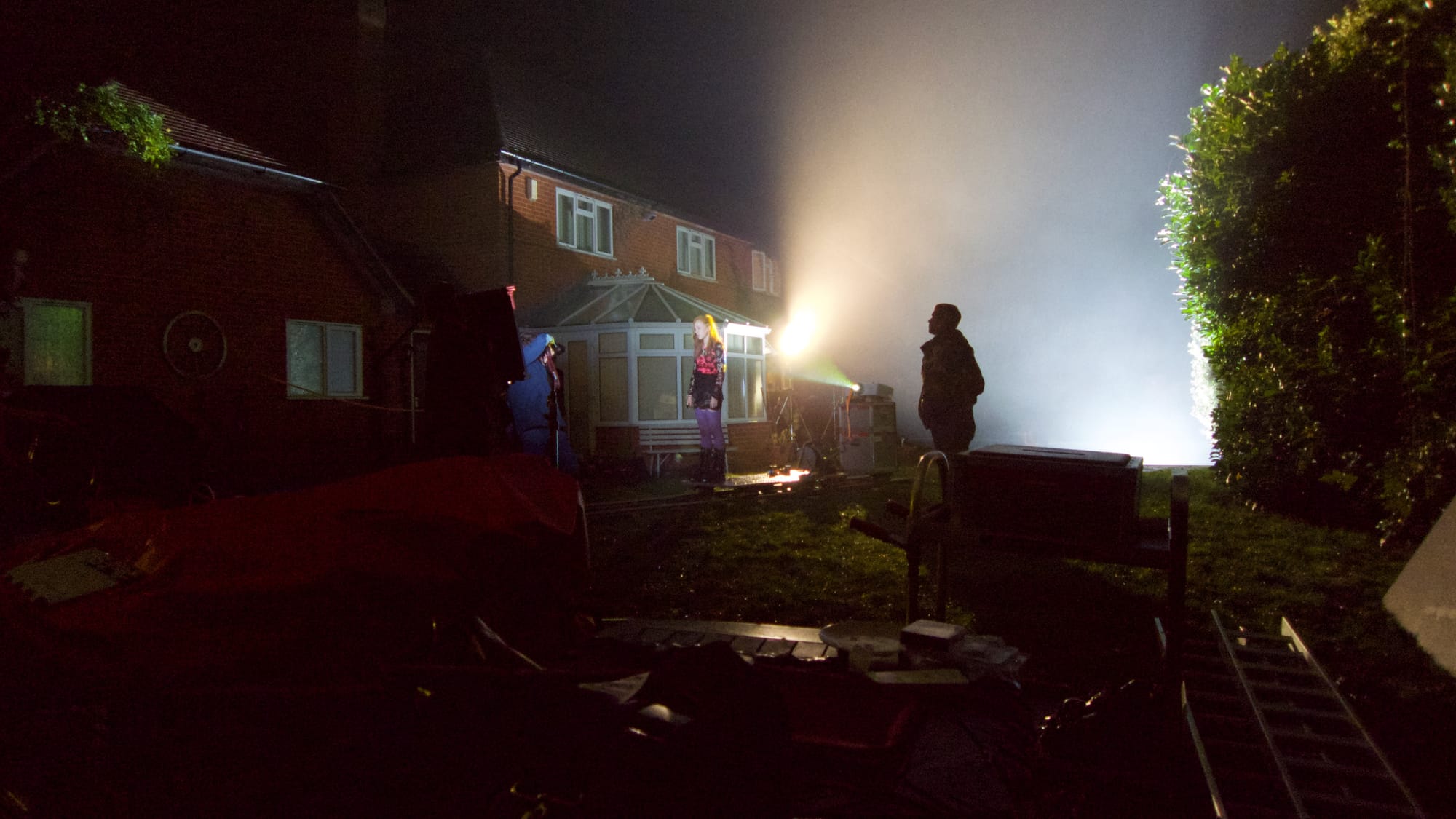
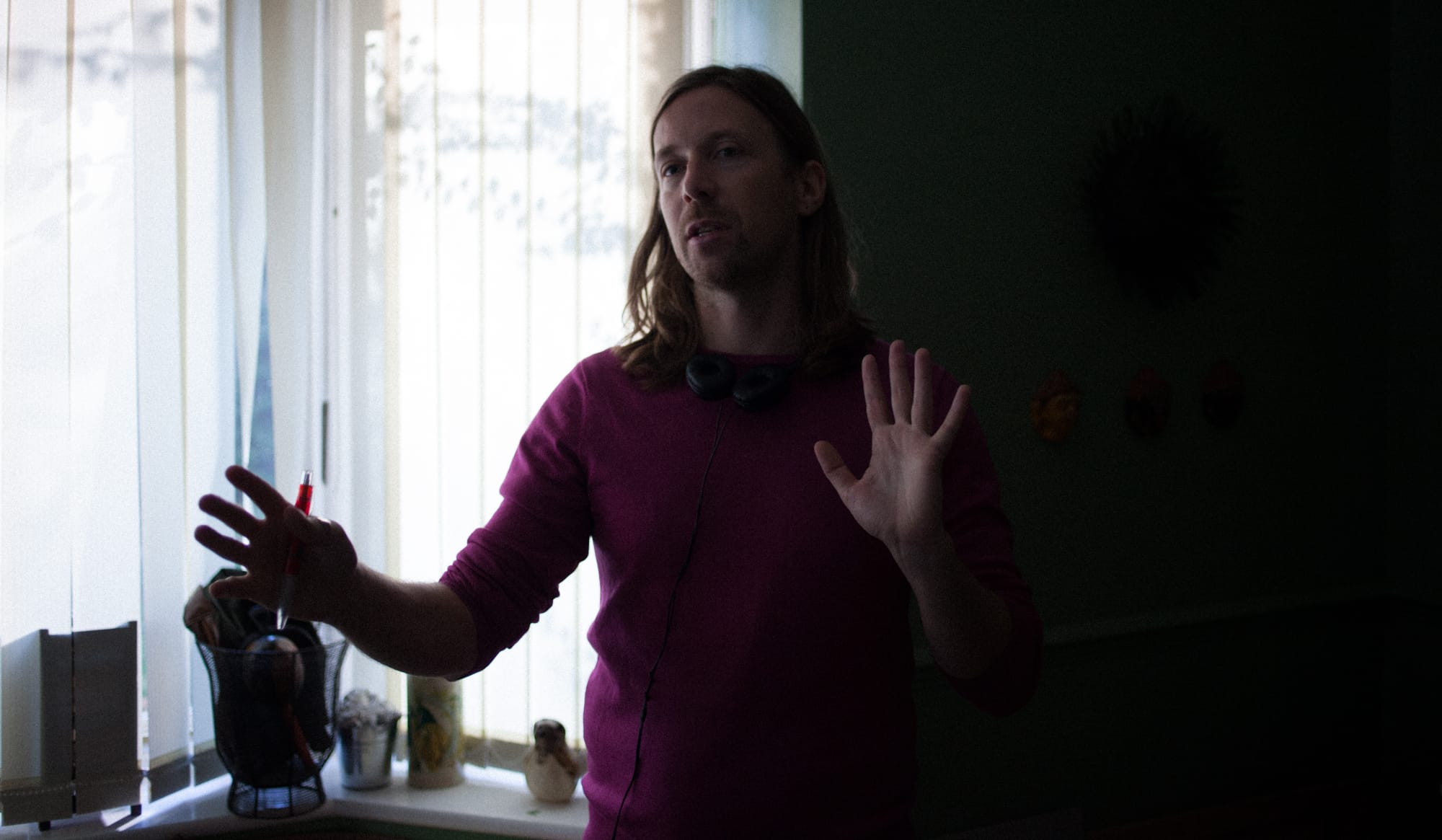
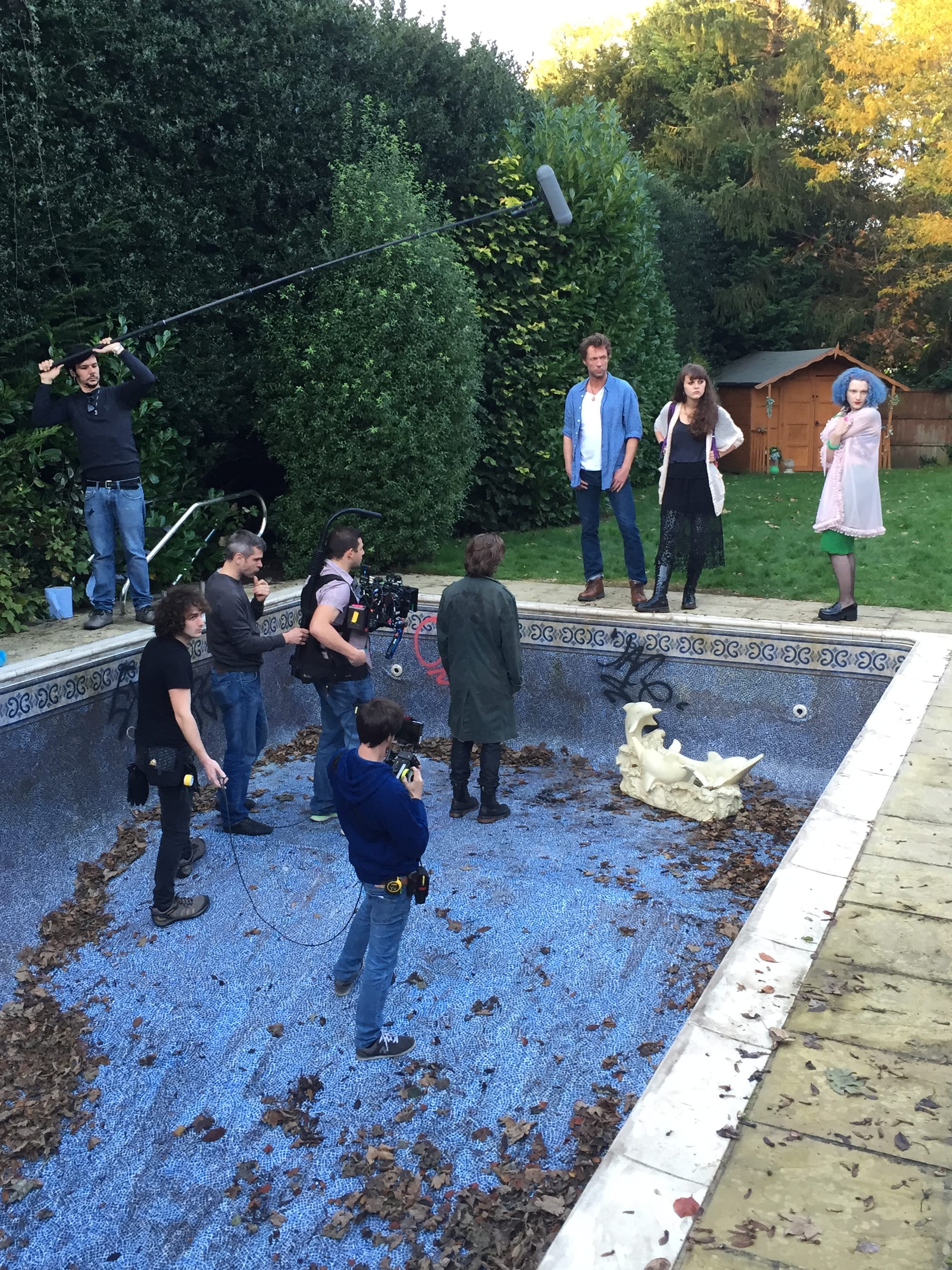
Very collaborative with the actors as I give them a lot of leeway to improvise, and lots of collaboration with the DOP. Since we’re usually shooting handheld I try to get the scene set up, get the actors moving around the space naturally, then let the DOP move around them to capture the performances. Then I give some guidance.
Ultimately if it looks good, it doesn’t matter who’s idea it was.
How do you keep the energy going on set?
I think the best way is to make sure you make strong decisive moves - get what you need and move quickly onto the next thing. Lingering around too much, overshooting something, that takes away everyone’s energy. Have fun and let people have some input to what you’re shooting also helps people feel involved and energised.
Sometimes it’s better to leave an idea that isn’t work and move on, and sometimes it’s better to keep going and wrestle it into being. How do you know when to step away, or when to push on?
That’s very tricky! It’s almost impossible. On a funded shoot though, you have each day scheduled to get a particular number of scenes, and each day has been arranged in advance especially with locations being locked down and hired etc. So really you have to get the scene done whether you think it’s working or not.
How do you know when it’s done?
Gut feeling. We tried many different combinations in the structure, putting scenes in, taking them out, shifting them around, and there’s a feeling that the magic spell suddenly works - and sometimes you have no idea why!
What advice would you give to any filmmakers out there who are trying to put together their projects?
Find something you love so much that you won’t stop trying to make it until the last. And don’t take it personally if one person doesn’t like it - often all it takes is one right person to read your script and love it.
It’s easy to give up early on, thinking that one or two people are the most important oracles in the world, but in reality no-one knows what’s going to be successful. You just need that one person who gets your vision.
What is next for you?
I’ve got a feature film in development with a producer and a tv drama pilot which is about to go out to my agent and then producers. Then also my strategy now is to have a raft of projects simmering away - as a kind of defence! Better to have a few ideas going on, then something’s bound to land!
We're constantly on the look out for new artists, creatives and initiatives to feature in TheNeverZine - so if you are, or know someone who is going their own way and doing their own thing on their own terms and would be a good fit to feature please smash that button below and get in contact. By talking to each other, and sharing our journeys, ideas and insights on creativity, art, mental health and resilience we can all create, share and thrive together. Nice thought that.
PS - Don't forget to subscribe below for more content from TheNeverPress 👇