'Create what you wish existed. Zines have that magical quality of not just documenting community but actually creating it.'
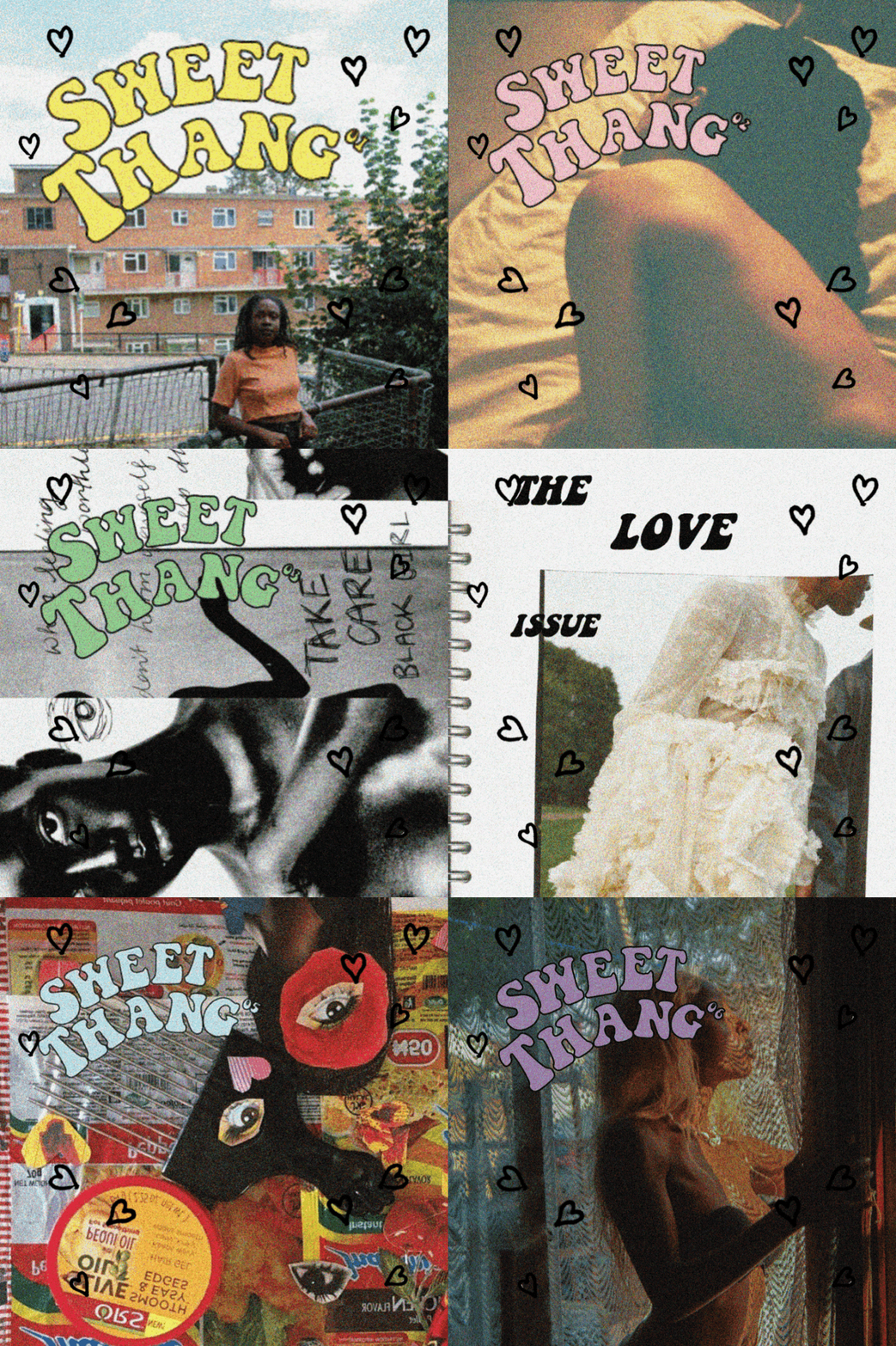
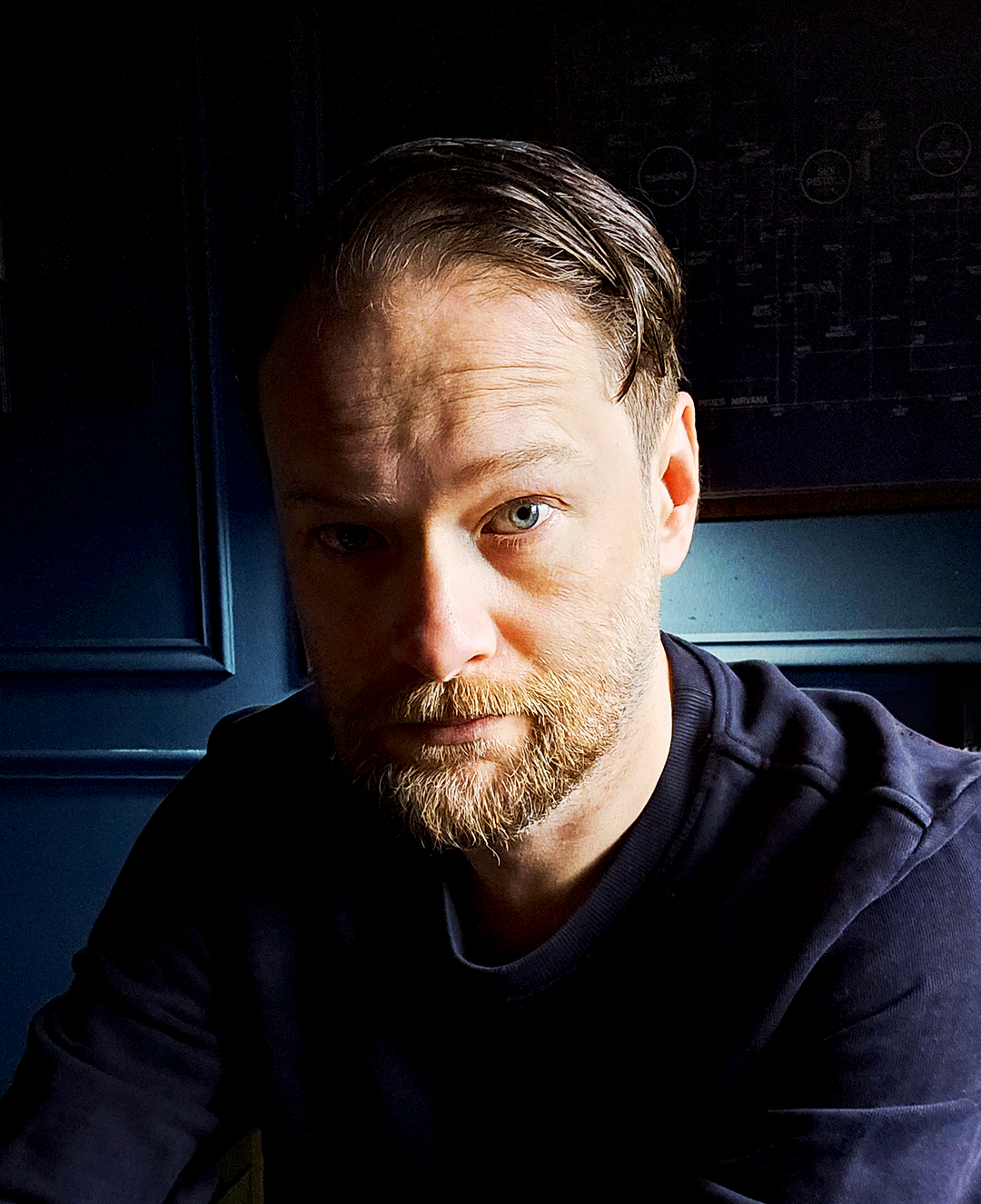
Today we're delighted to bring you an enlightening chat with Zoë Thompson, zine practitioner, workshop facilitator and founder of sweet-shang zine. It's always a pleasure to talk with someone who absolutely digs not only their chosen artform, but the culture around it and the impact they have upon it. When someone just loves the world they inhabit and are fully apart of it, well...it's just really inspiring to us. We spent some time getting to know Zoë and we're bringing you this conversion to clue you in sweet-thang, and hopefully inspire you to get involved and start making your own zines. Freedom and expression therein lies...
But for now, it's over to Zoë...
Hey Zoë! Thanks for taking some time out to talk zines. Let's dive in with you and your path - may you please give us an overview of your professional and creative journey that has brought you here?
I’m an artist and writer who makes zines and facilitates creative workshops. I champion the power of zine culture as a radical tool of expression and design workshops centred around embodied play; facilitating warm, joyful and accessible spaces for collective making. I’m here because I’ve always loved the physical medium of books and magazines. Publishing excites me. I started a blog on Blogspot when I was around 15, posting about my creative endeavours, interviewing my friends, reviewing books, sharing my poetry. It was my first experience of creative independence. Even though it was online, Blogspot had this analogue feel to it. I actually added a HTML code at the bottom of my blog from https://readtheprintedword.org/ which says I PLEDGE TO READ THE PRINTED WORD. You can add it to any custom website. All this to say - falling down the rabbit hole into zine-making felt so natural.
What attracts you to zines as a medium – artistically, culturally and practically?
I’m attracted to how zines can be used to communicate ideas outside of mainstream publishing. They’re an exciting medium because they are important in both form and content. The accessibility and simplicity of making a zine is just as relevant as the content inside them. You can write an article about the history of punk music and have it published on a billionaire-owned media platform or you can make a 6-page zine about it and distribute it yourself - and the significance changes entirely, even though you’ve spoken about the same thing. I think that’s pretty cool.
Zines are all about community, can you tell us about your audience and how you’re working with them with your work?
I say that sweet-thang ‘celebrates Black DIY creativity’, and what I mean by that is sweet-thang exists to spotlight creative work by Black artists who are doing cool shit independently. So through publishing print issues, self-producing events and hosting workshops, we’re uplifting Black artistry and bringing the power and magic of zine culture to people who want to support us.
What inspired you to start sweet-thang?
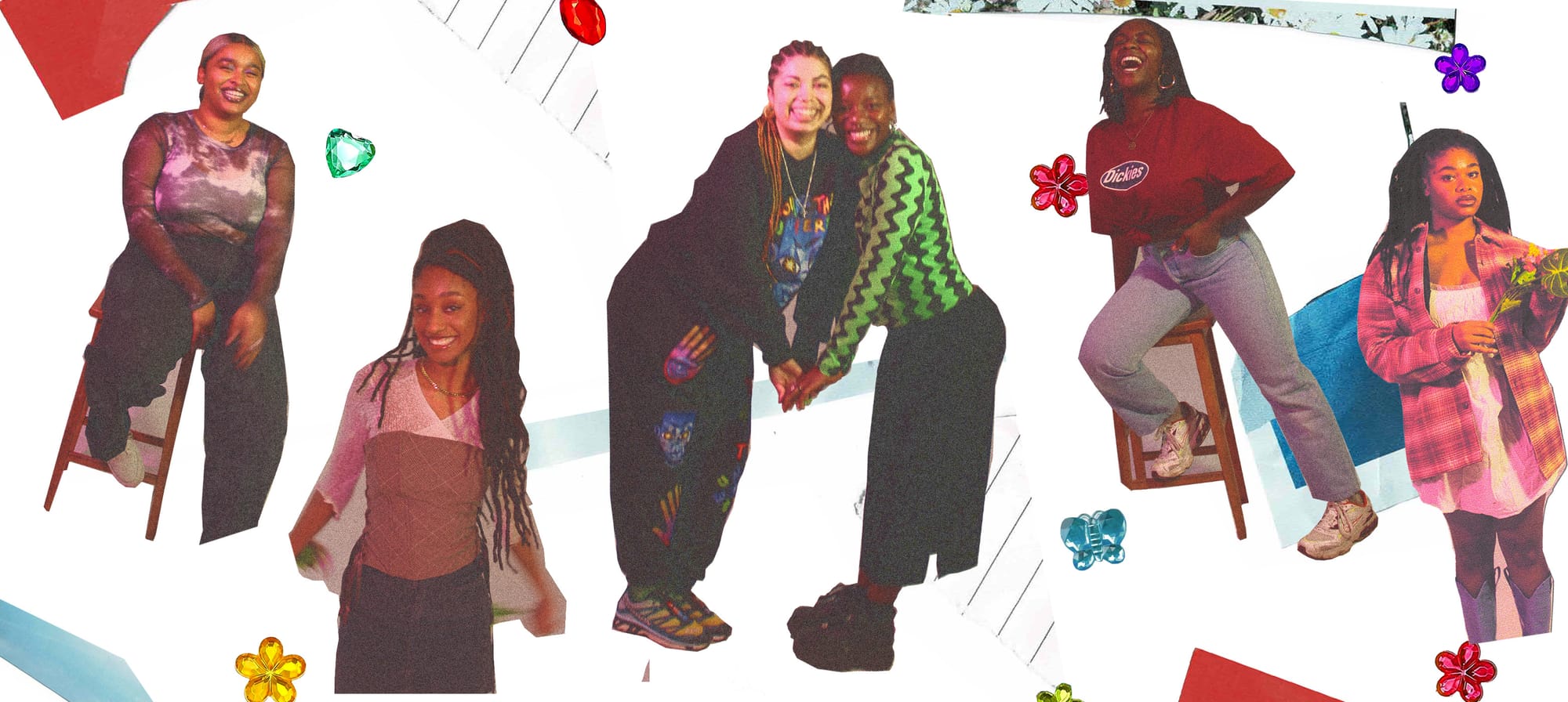
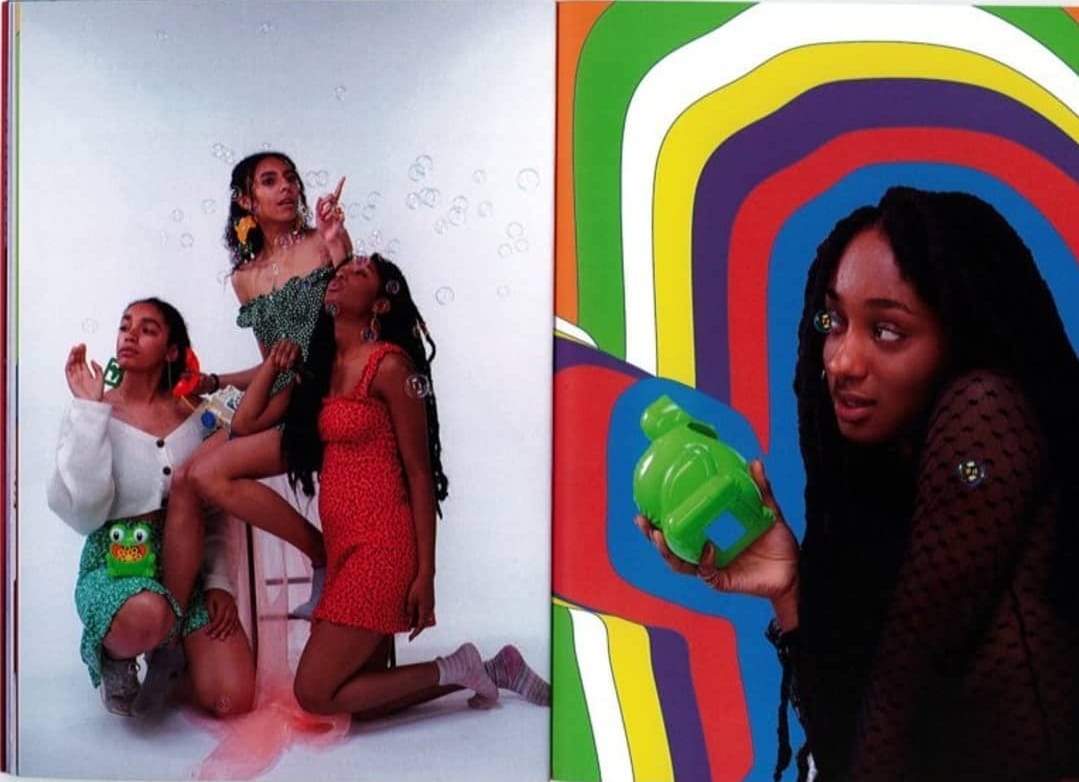
It was 2016. I was doing my A-Levels and had a Media Studies assignment where I had to design two front covers and double page spreads of a hypothetical magazine. I dragged my friends around Shoreditch to take photos of them in front of artsy backdrops and posted about it on Blogspot. Collectives such as gal-dem were thriving and it was such an exciting time for independent art and this powerful, beautiful community of artists of colour! It was an exciting time to be alive and 17 and the energy of DIY creation was palpable. I was devouring everything I could find and read about indie publishing, zines and feminist media, and the idea of making a zine just felt inevitable. I still felt like there was a lack of representation of Black artists in these spheres so I wanted to make a publication that exclusively published and uplifted our voices.
Zines can be radical and revolutionary – how do you channel this power and what is your focus?
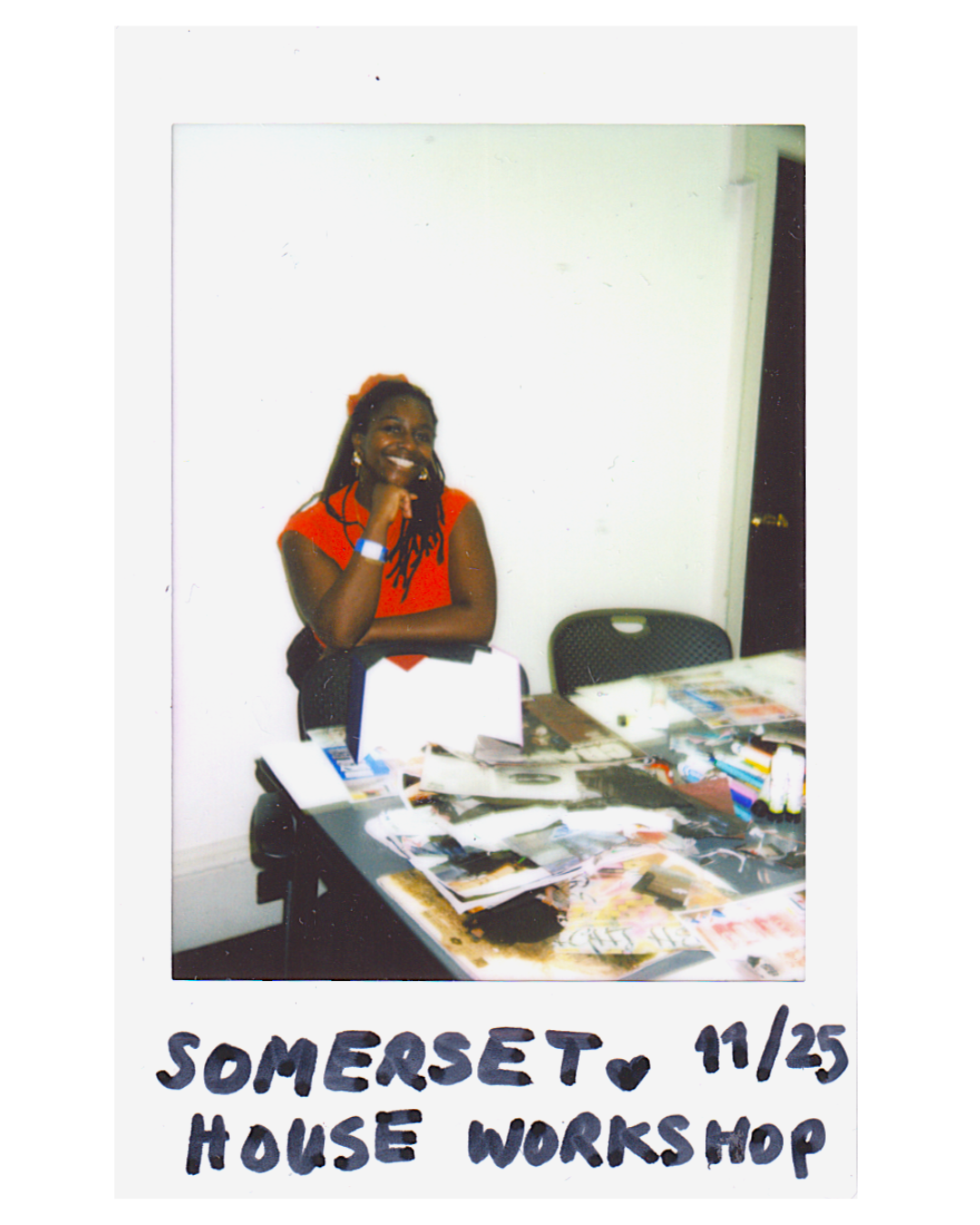
The inherently imperfect and tactile act of collaging and folding paper sits at the heart of my relationship to the practice of zine-making. Being able to self-publish physical media is revolutionary in a world of toxic algorithms and AI. I love a perzine, too [a perzine, or per-zine is a zine that talks about the creator's personal thoughts and experiences]. I think perzines are so valuable and are how you find creative community, because people will read about something you’re going through and relate to it. Zines as a medium feel so intimate too - there’s no barrier of glossiness and commercialisation; you feel like you’re having a direct conversation with the person who made it.
What challenges have you faced in building your platform and how have you overcome them?
At first, I struggled to meet the demands of running a growing platform as a one-person team. I’ve always run sweet-thang voluntarily and it’s been largely self-funded for nearly 10 years. But now I have Melody, who’s a brilliant creative and editorial assistant! We actually met on Blogspot back in 2015. She’s probably one of the first people to know about sweet-thang’s existence and we kind of grew up together on that digital platform, so it feels really special to be bringing projects and ideas to life with her.
Can you think back to the first zine you made – what was it about and how did you feel once you made it?
This is such a hard question, because I feel like I have had 3 first times. In primary school, we once made these little pocket book pamphlets that we filled with writing and drawing. I have the most visceral memory of my teacher showing my zine around the class because it was so good and I genuinely remember holding it in my hands being like "what is a fantastic little medium?"
Then there’s sweet-thang zine issue one. It was a clunky but exciting design experience.
I was using Powerpoint and I felt like a tech queen.
Lastly, when I was just starting out my zine insta page during the chaos of 2020, I made a zine talking about my crystal collection! It’s still one of my fave zines ever.
Your workshops are ‘sites of embodied play, wellbeing and connection, through a Black feminist lens’ – can you talk us through a typical workshop and what participants can expect?
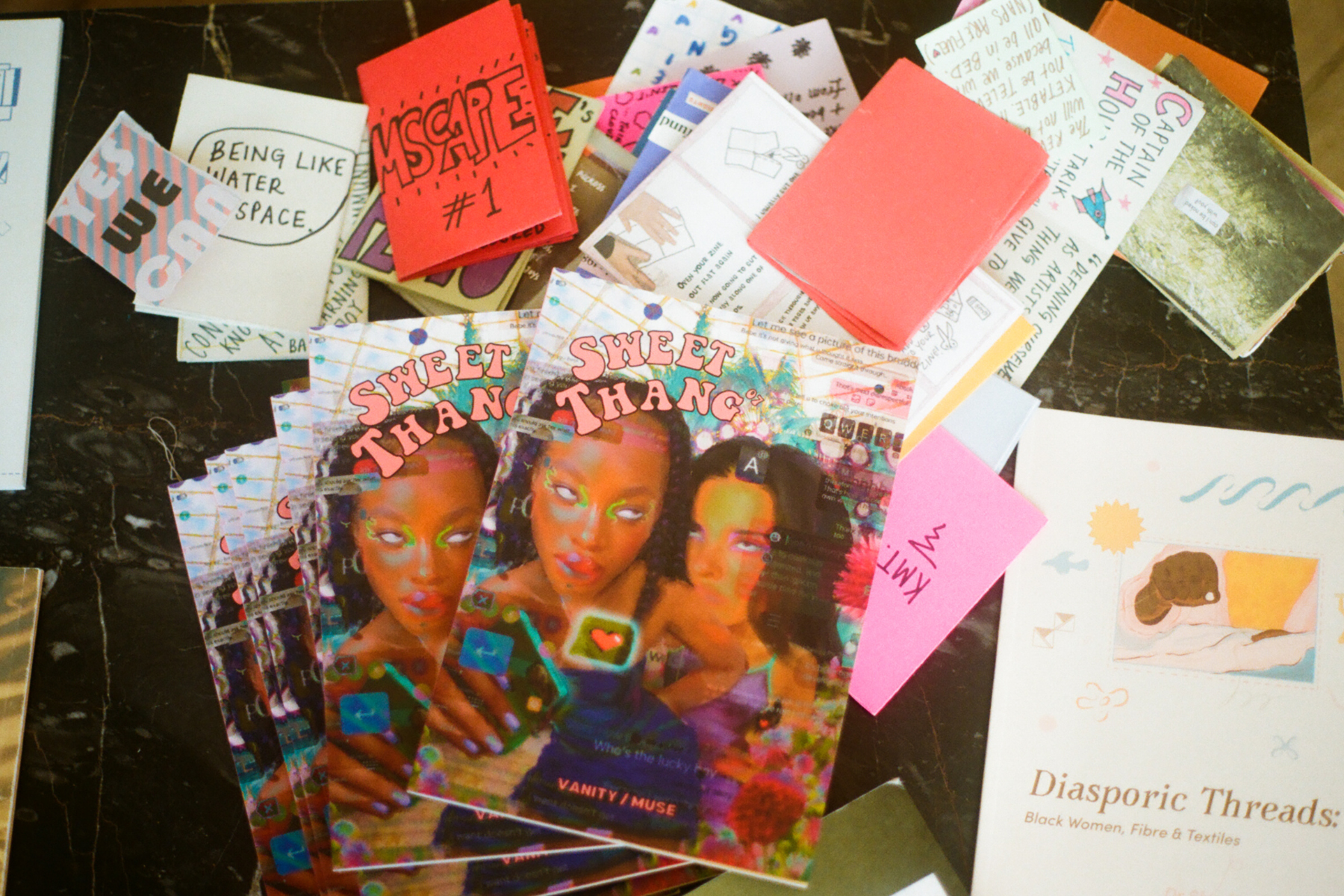
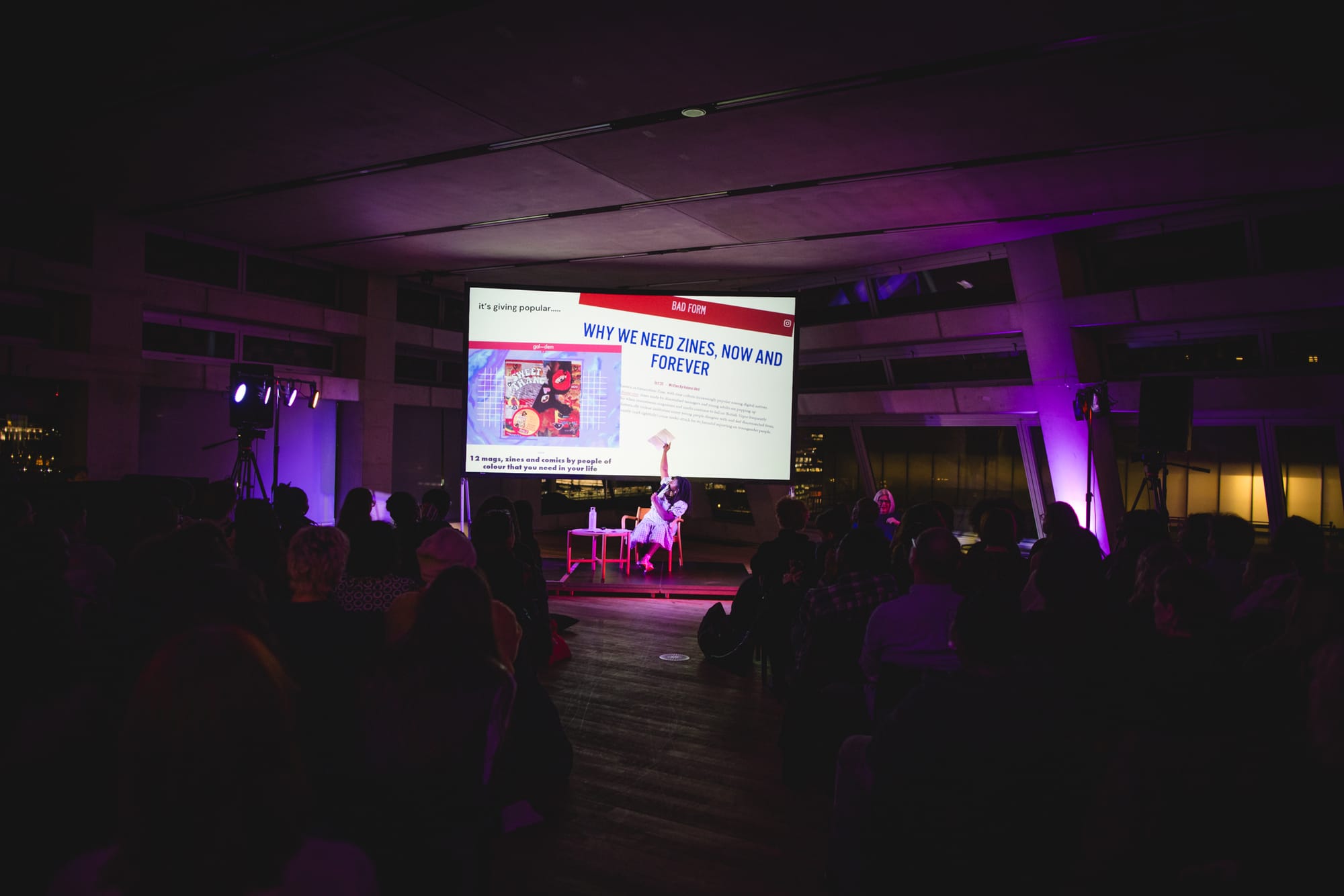
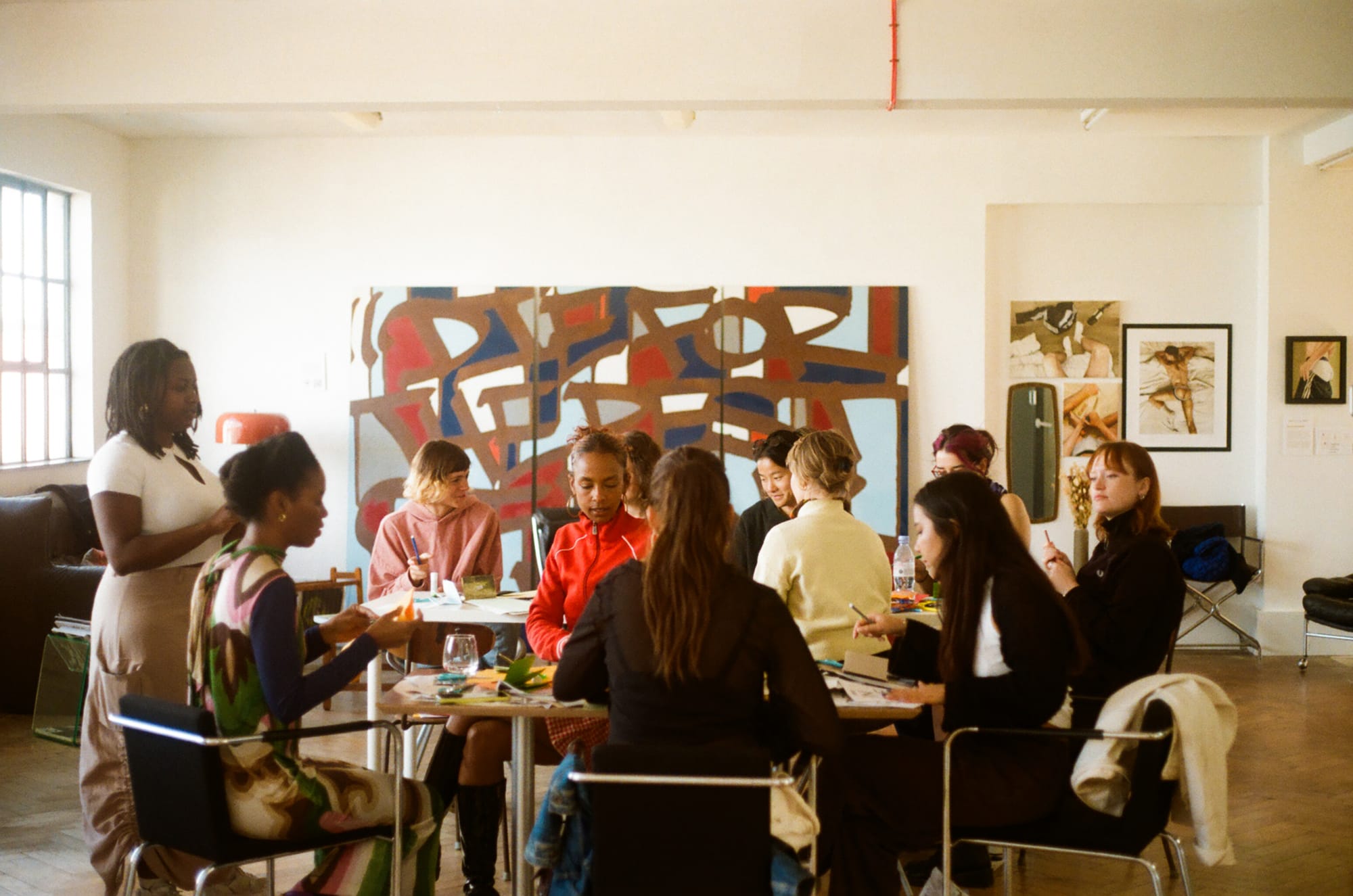
Usually workshops are a super relaxed crafty space. Think big tables with magazine cut outs and colourful paper sprawled across them. I usually do a live demonstration on how to fold a zine and always feel so satisfied seeing how excited and surprised people are when their zine finally comes together. Then, depending on the theme, I'll give a deep dive into what I want people to focus on, but I always reiterate that it’s a space of play. I've hosted enough workshops to know that you can plan it to a ‘T’ and there’ll still be people who just go with the flow and lead with vibes, which is totally okay too; it’s a space of play after all.
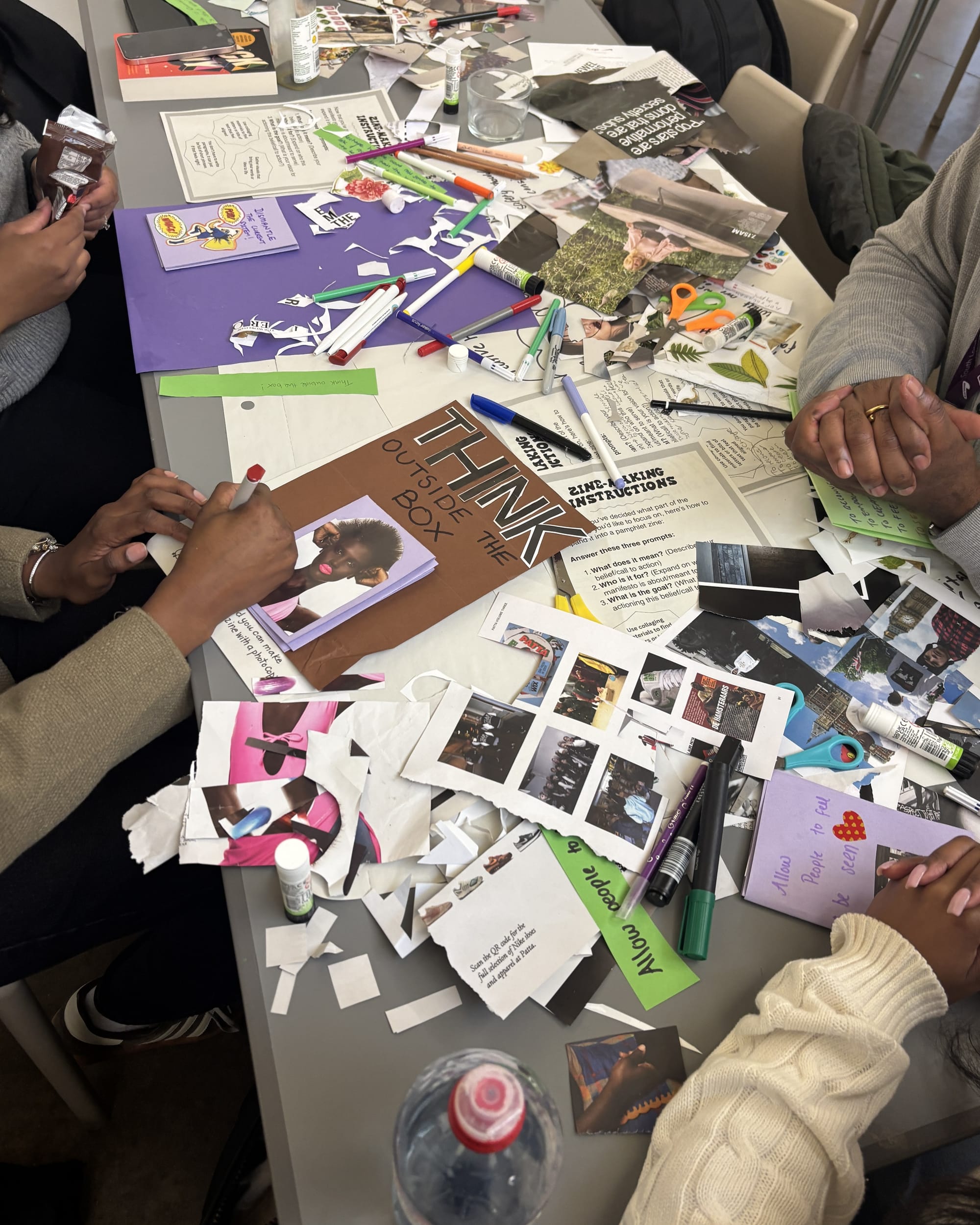
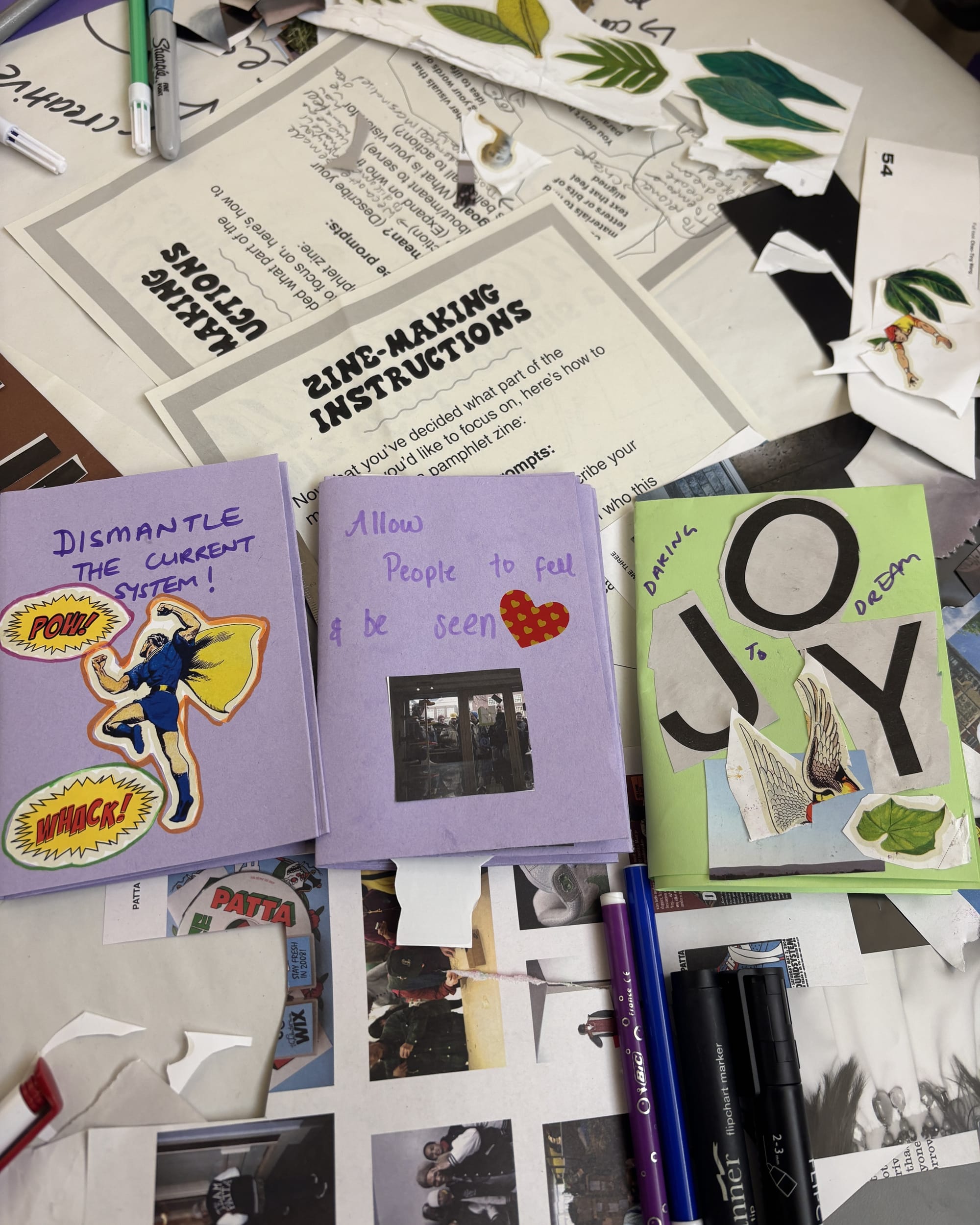
Workshop for South London and Maudsley NHS Foundation Trust
How does one get into making zines?
Grab an A4 sheet of paper, a pair of scissors and a pen. ;) But also buy some zines from your local distro, bookshop or magazine store. Museums and galleries also tend to stock them. Actually holding and reading zines will inspire you so much. And of course, attend zine making workshops. Zines are for everybody!
What is it about zine and small press culture that excites you?
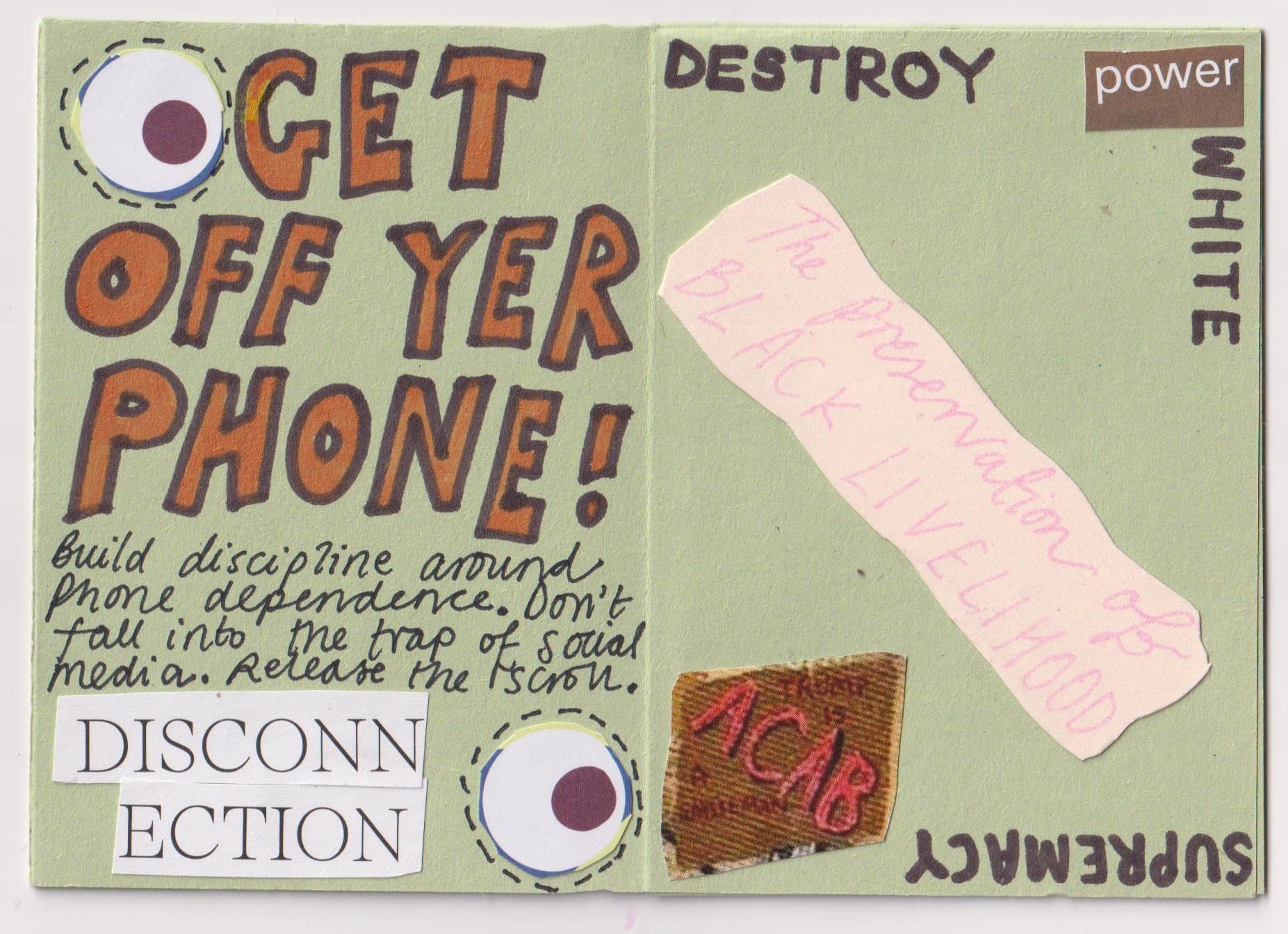
When it comes to books and zines, my love language really is physical touch: I'm obsessed with cool binding techniques, paper textures, experimental sizes. I also think there’s so much power in self and independent-publishing. You have autonomy over what you share and communicate with others. That's cool af.
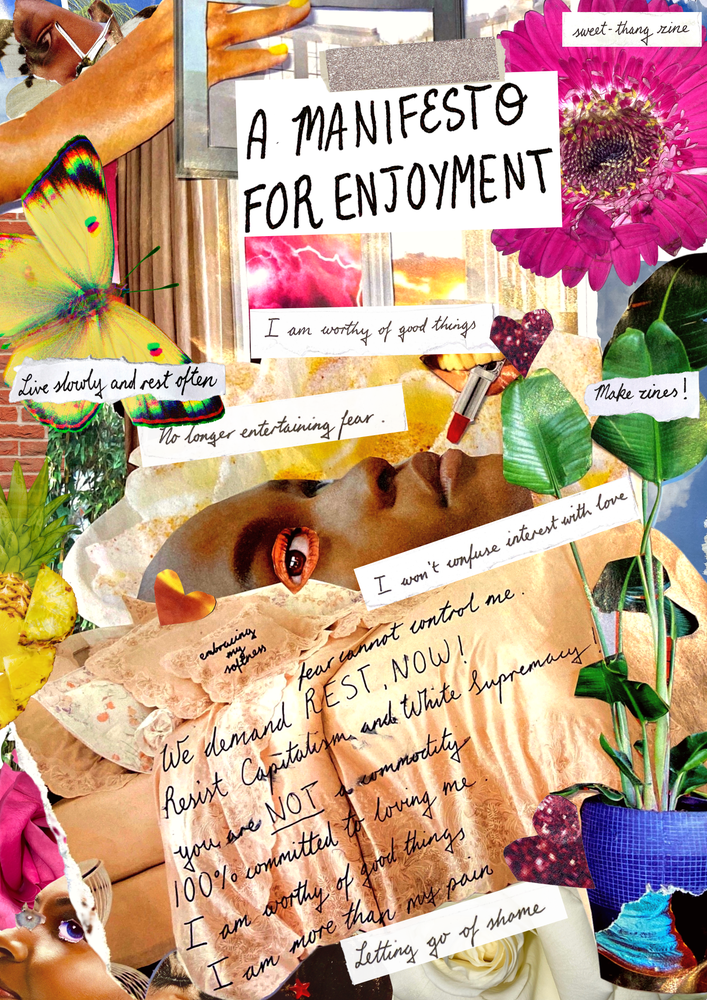
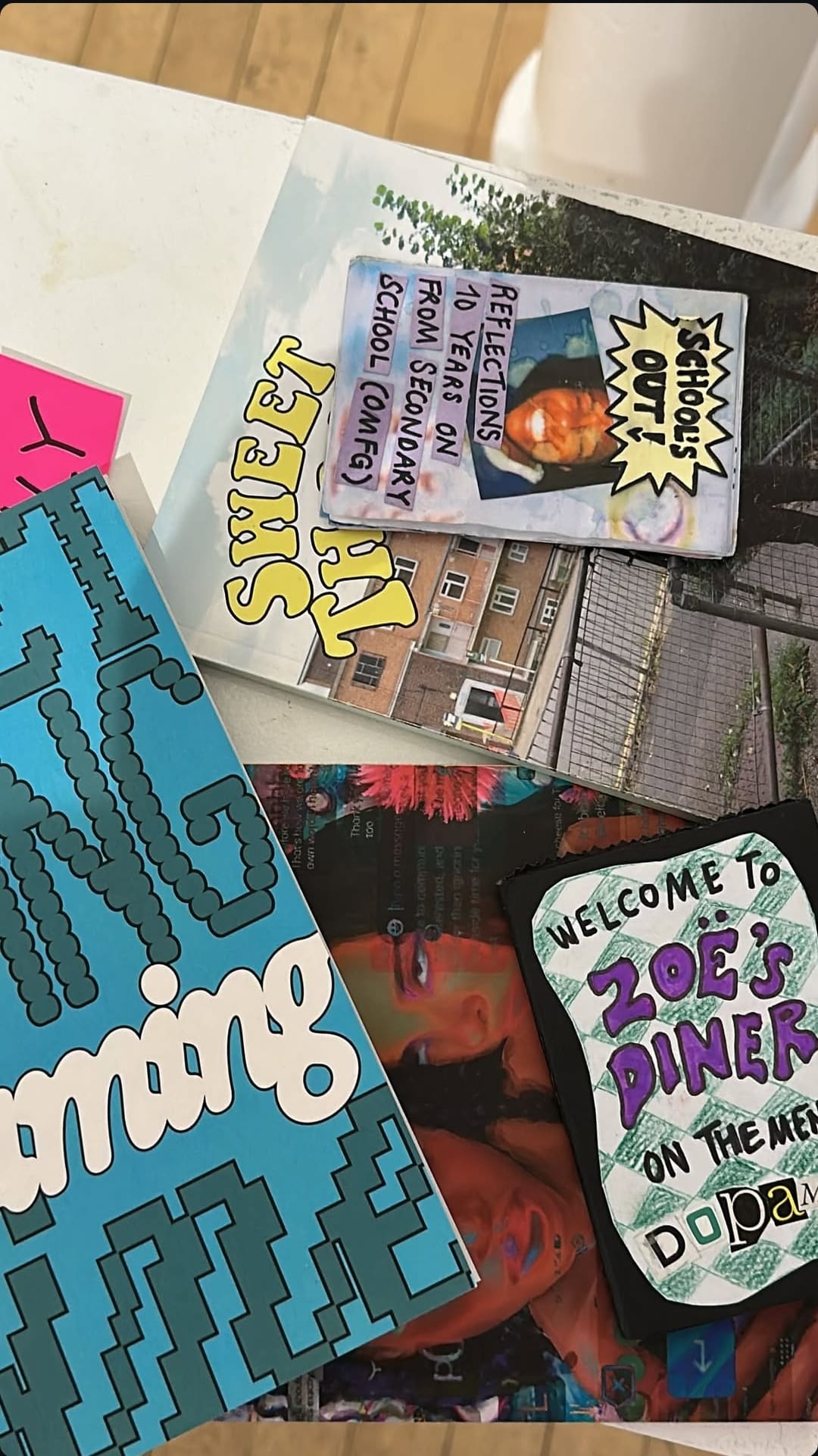
How can art help us?
Inspired by our latest print issue, on dreaming, I believe that art is literally a portal for dreaming and re-imagining new worlds. I'm inspired by the Slow Factory’s Roles and Callings for Collective Liberation framework in which the role of the Artist is to ‘inspire people to be in touch with their humanity.; That really resonates with how I envision the concept of a revolution as an ecosystem of roles.
The Artist is the dreamer who helps us see that more is possible, that what does not yet exist, can.
How can people use zine making and zine culture to connect with their communities?
If you want to build a community, find your focal point. Figure out what you want to say with your zines. Make it communal: start conversations, host a zine club. Don’t think you have to start big. Sometimes start local. Start with friends or family. You can also find community through your hobbies. Make a zine about why you love a specific hobby of yours and if you go to a class, share your zine with people who also love it.
Create what you wish existed. Zines have that magical quality of not just documenting community but actually creating it.
What does the future hold for sweet-thang?
More print issues. More curated IRL and virtual experiences. Celebrating black creatives around the world.
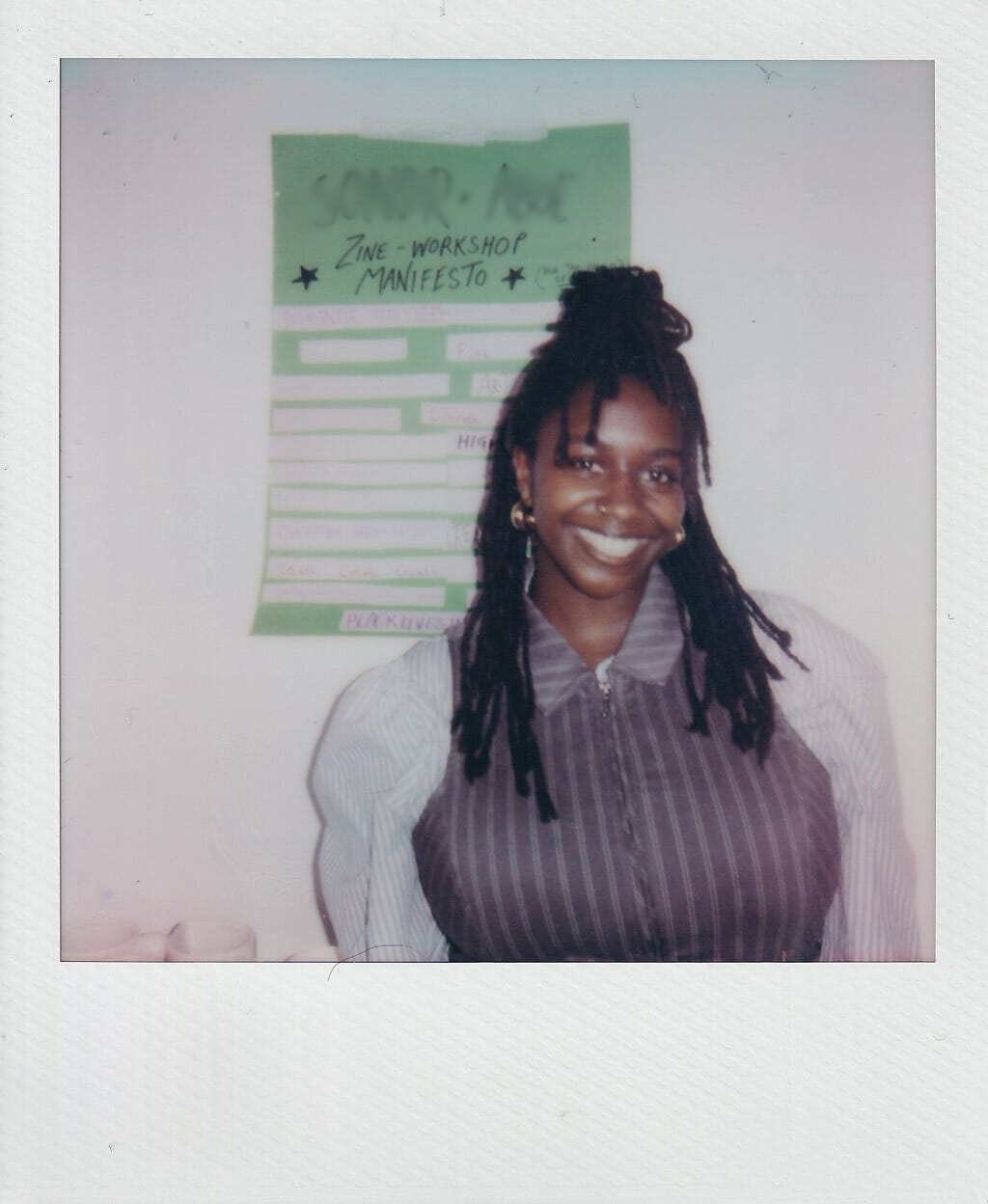
Are you a zine maker, collective or distributor? We would love to create a directory of all you amazing artists and creators; a network of zine lovers keeping that independent spirit alive. So, if you read a zine that you love and want to nominate, or if you run your own zine, please contact us and let's chat!
PS - Don't forget to subscribe below for more content from TheNeverPress 👇