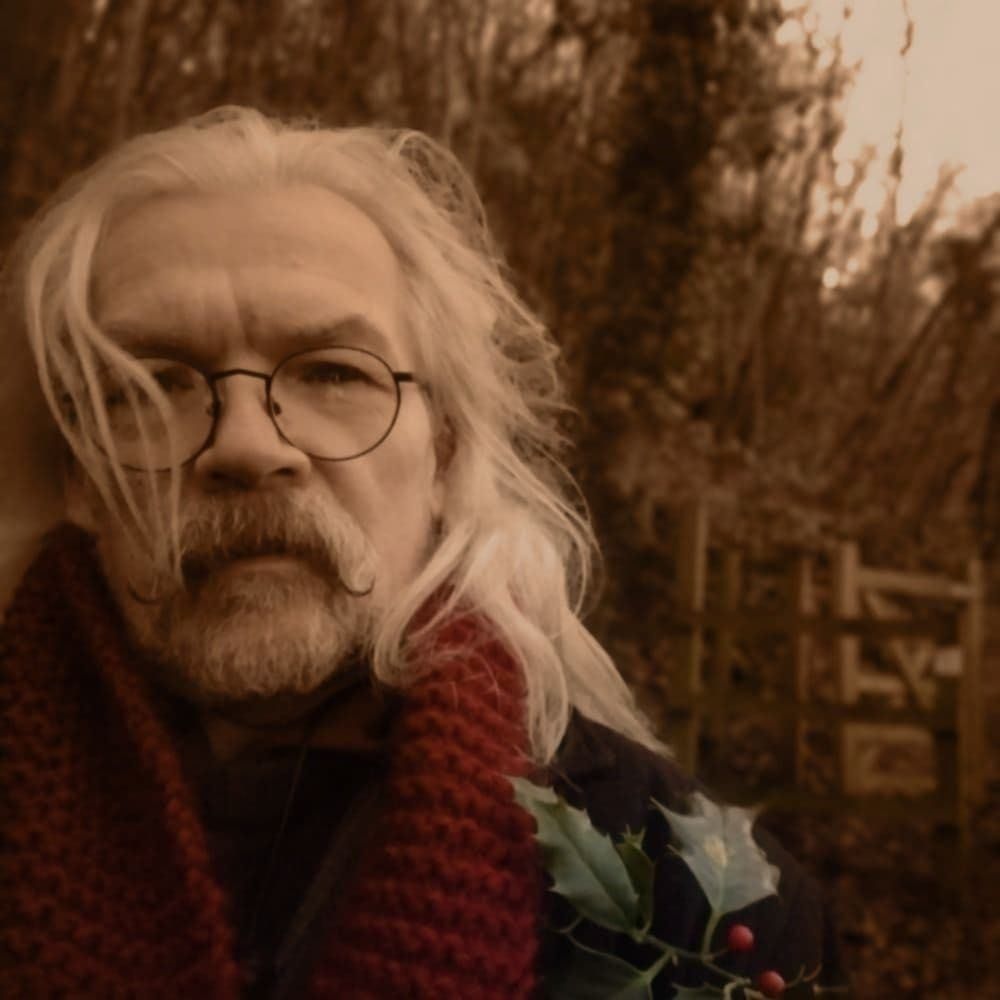
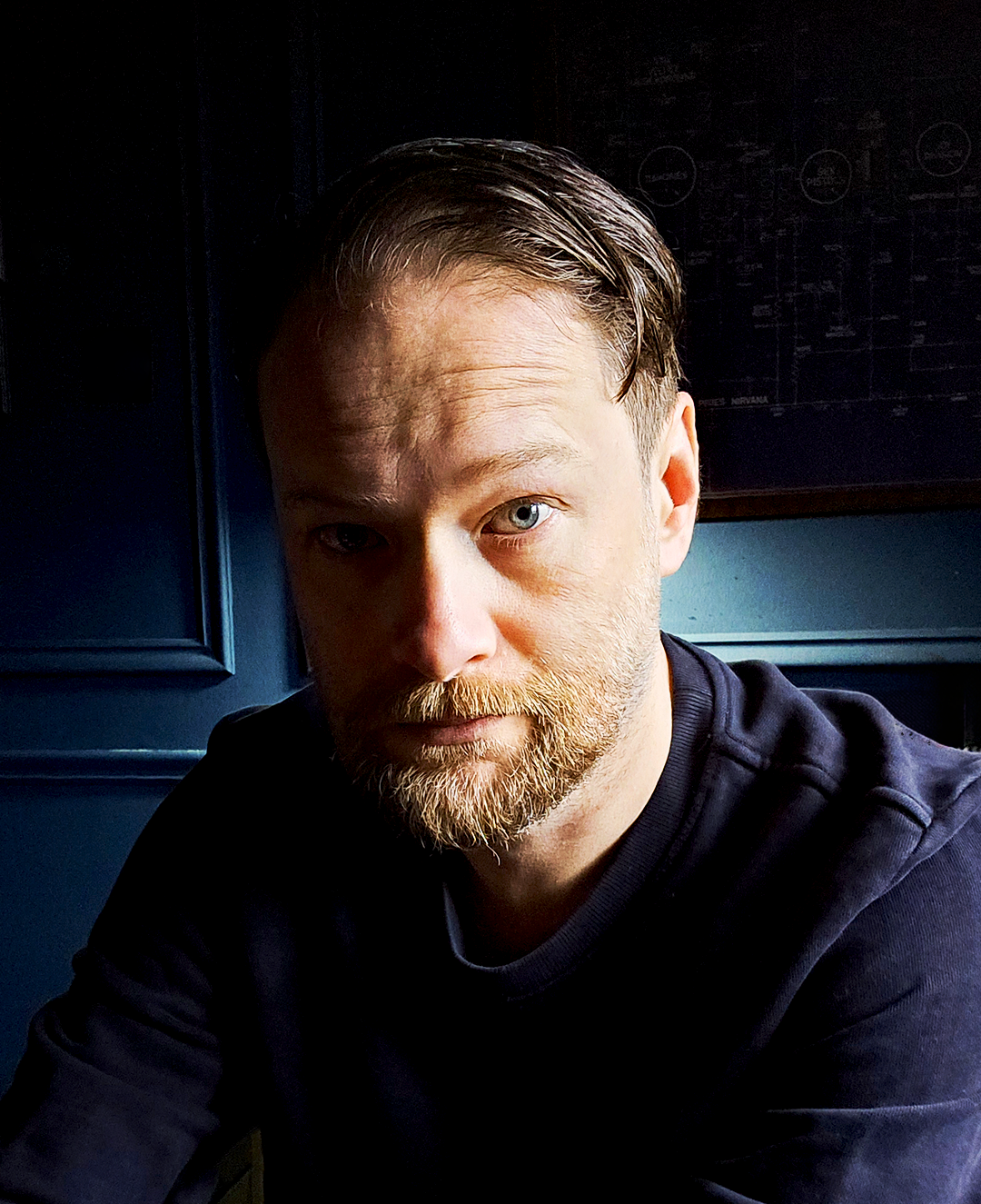
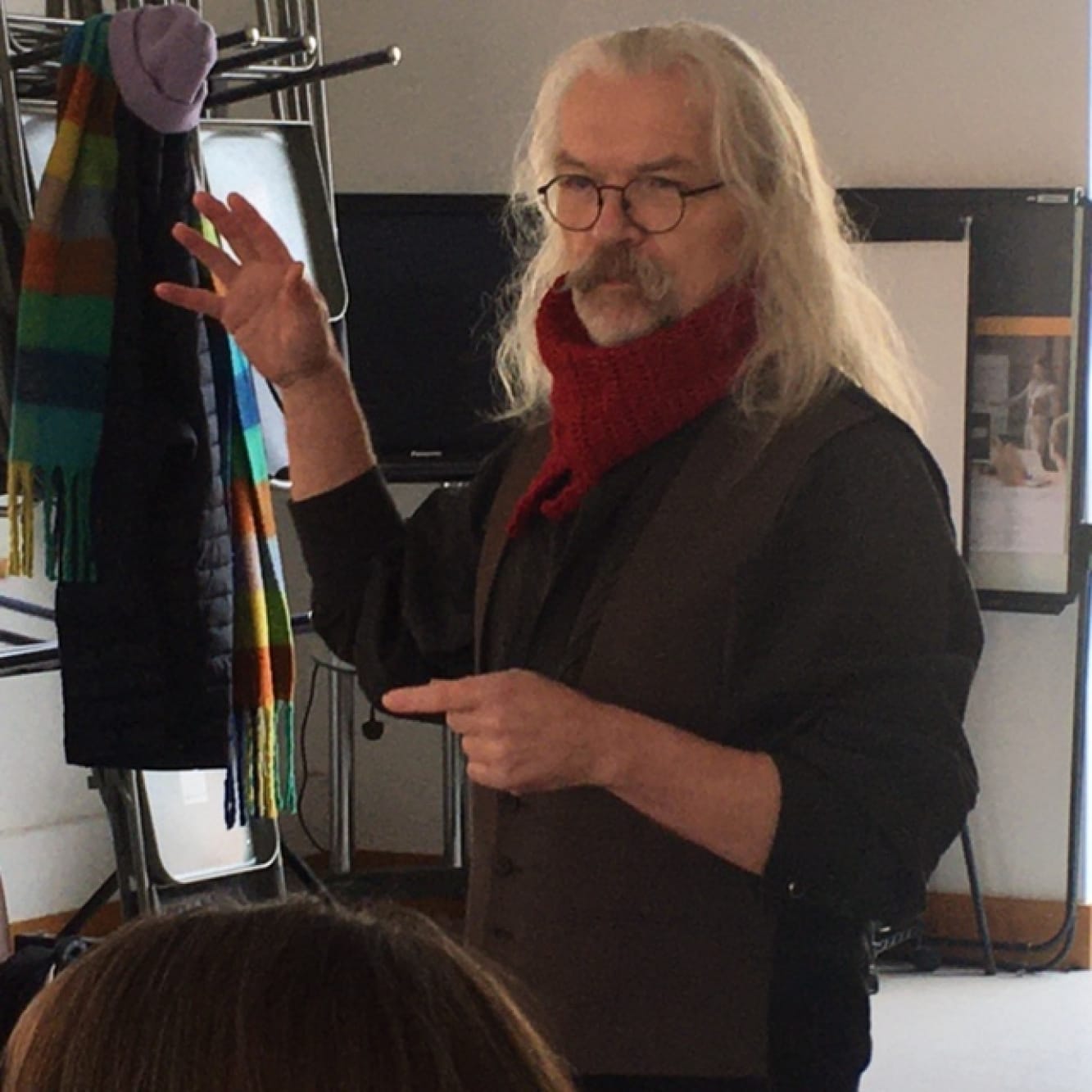
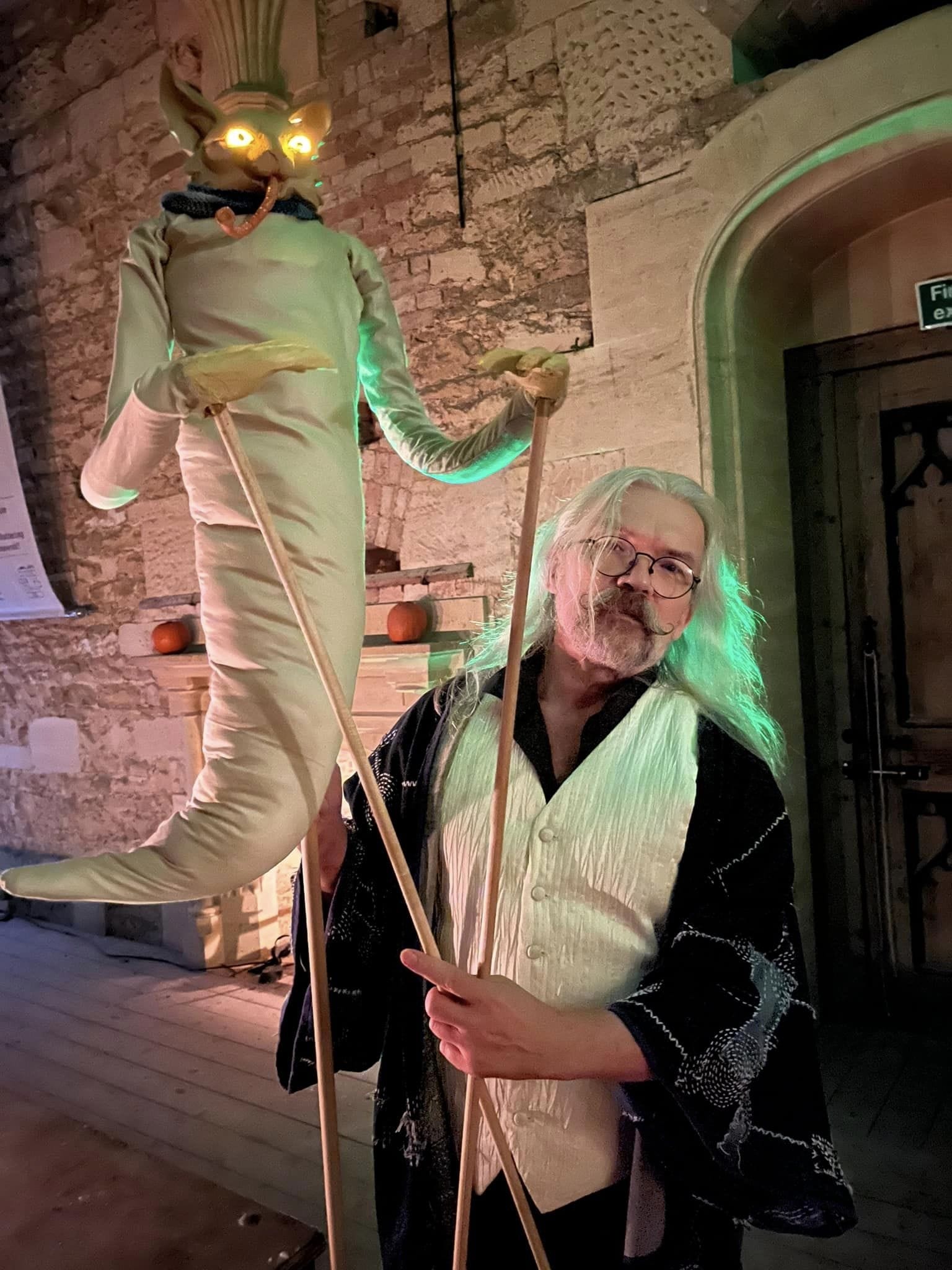
Thomas Brown is a highly accomplished artist - his life and work are a symbiotic relationship that have developed since his first professional undertaking at thirteen years of age.
In this wide-ranging interview, Thomas takes us through his journey, and offers insight into the creative process and what longevity means professionally, personally and artistically. We absolutely love Thomas's work - the worlds he creates, the visions he brings forth make him seem, to us, like a troubadour from another place. We're delighted to bring you this interview and we're sure you're going to get as much out of Thomas's story as we did. So let's not hang about anymore and get right into it...
Thomas, great to be talking to you today! Let's get into it from the start - may you please tell us about your artistic journey.
Well, art has been a huge part of my life from as far back as I can remember, so the best I can do is give you highlights. When I was six or seven, I discovered comic books in a store my family was running for a summer in Sangerville, Maine. No child bought a new comic that summer because I read them all. At that point, I was determined to be a comics artist. My mother was a (very unhappy) painter so art was also part of my every day life. This was... not uncomplicated. I was an avid reader, and emotionally my parents were the authors of the books I read. I wanted to be part of that world, so illustration also became my goal. In combination with all of this, I was an odd child (surprising no one) and had many experiences of otherness or sense of vast presence and spirits of place. Autumn in New England is a deep reservoir of ancient mood in the land. I tried and still try to communicate my experiences and perceptions of those things that I felt and perceived in certain places. Then, I became a comics artist, an illustrator. Mind you, it took me nearly forty years to actually earn my bread in this way.
You got your first professional job at 13 years old. Tell us about that job – how did you come to it?
Posters that were essentially large colouring book sheets were very big at that time. A local producer of these saw my work... somehow. Drawings from The Hobbit, as I recall. I was hired on the strength of these, I think.
Upon reflection how did 13 year old Thomas act throughout the process?
I wish I could say I was brilliant at the illustration business from the beginning but... no. I was excited to be doing actual paid work, but I was also terrified, I think I procrastinated some and my first attempt was rough (in the words of the publisher). Also, I tried to use dip pen and ink on paper that was not suited to it. I started again and my second result was good enough for them to keep me in work for a while.
You have been working ever since - what is the key to longevity as an artist, both creatively and professionally?
The most important quality is sheer bloodymindedness, I think. Also, it really helps that I very much enjoy the relationship side of my work and the friendships I've formed along the way. Be excited about things, and interested - if you love your craft you will naturally spend a lot of time honing and refining it.
Know that it will probably take time, that relationships are key, and that the only way to fail is to give up.
In terms of getting artwork seen or commissioned, how does one start out?
Do not be shy. Being exceedingly cheeky has been the first step to everything good that has happened in my career (and my personal life also). Put yourself and your work forward at every opportunity and start conversations. The platform is not the important thing, I think.
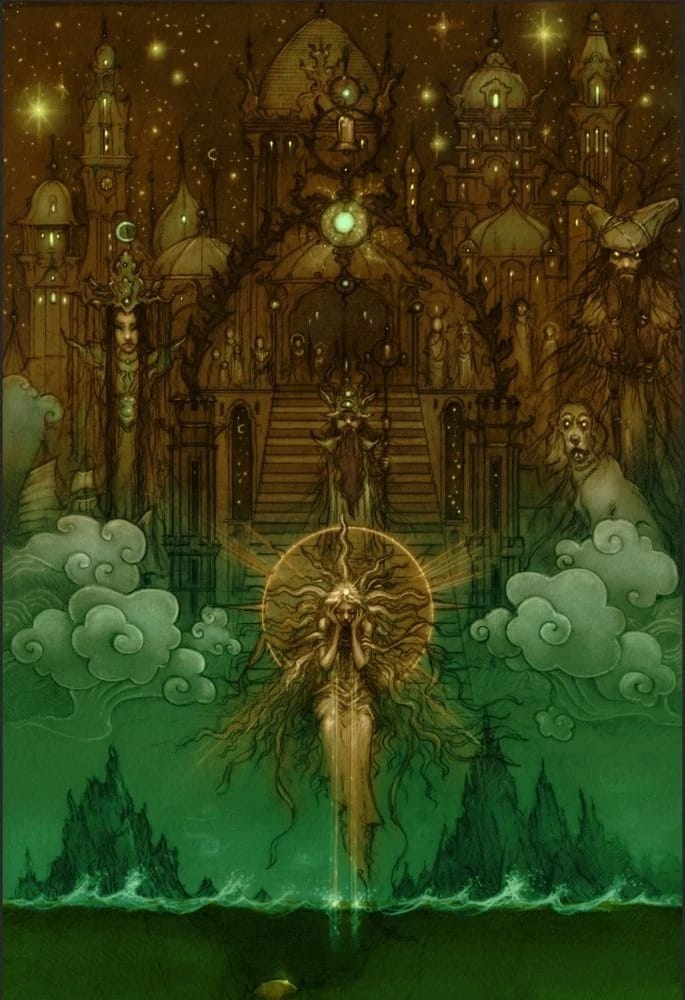
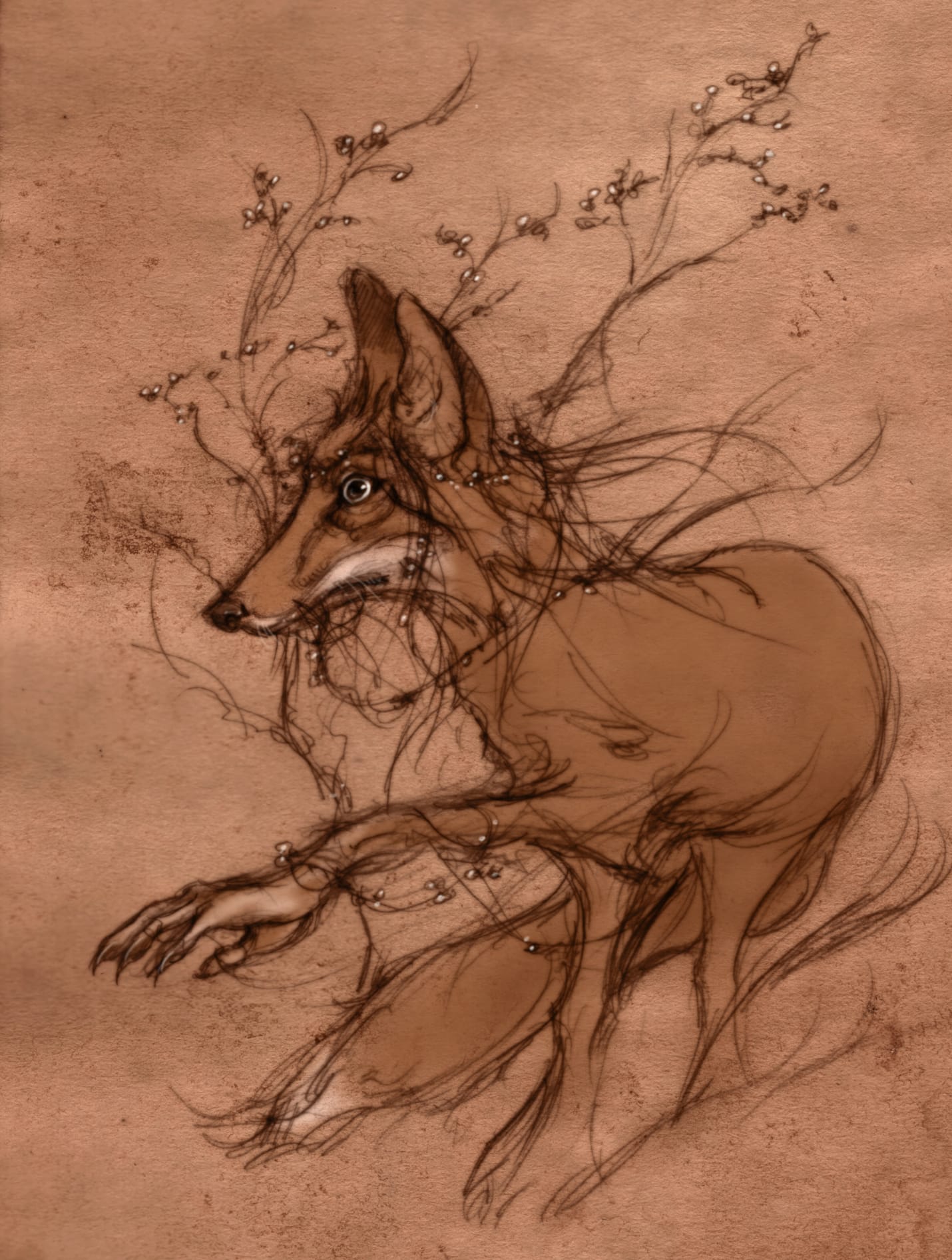
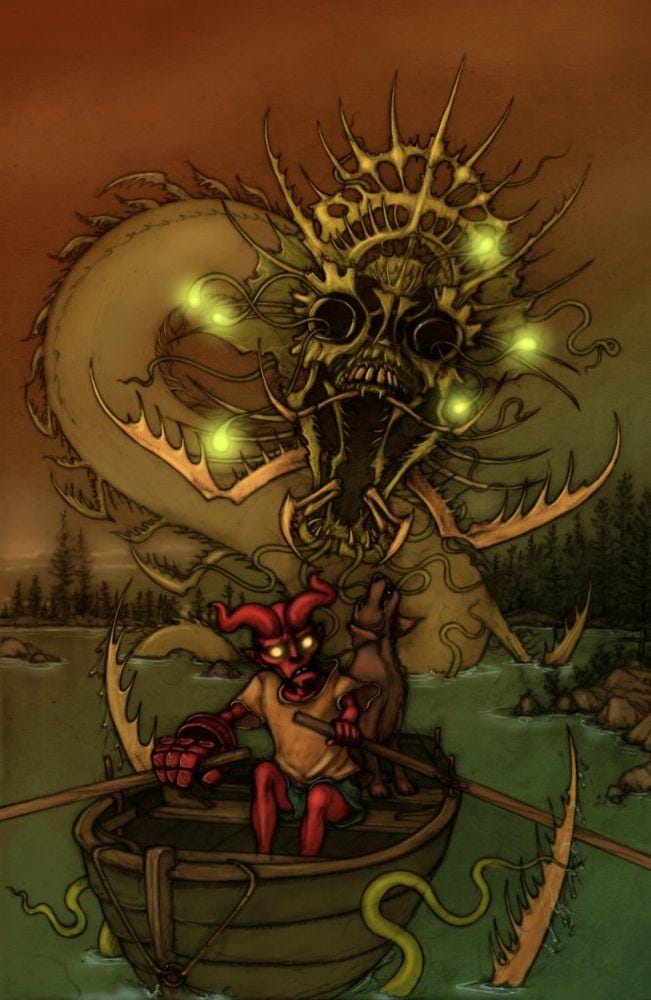
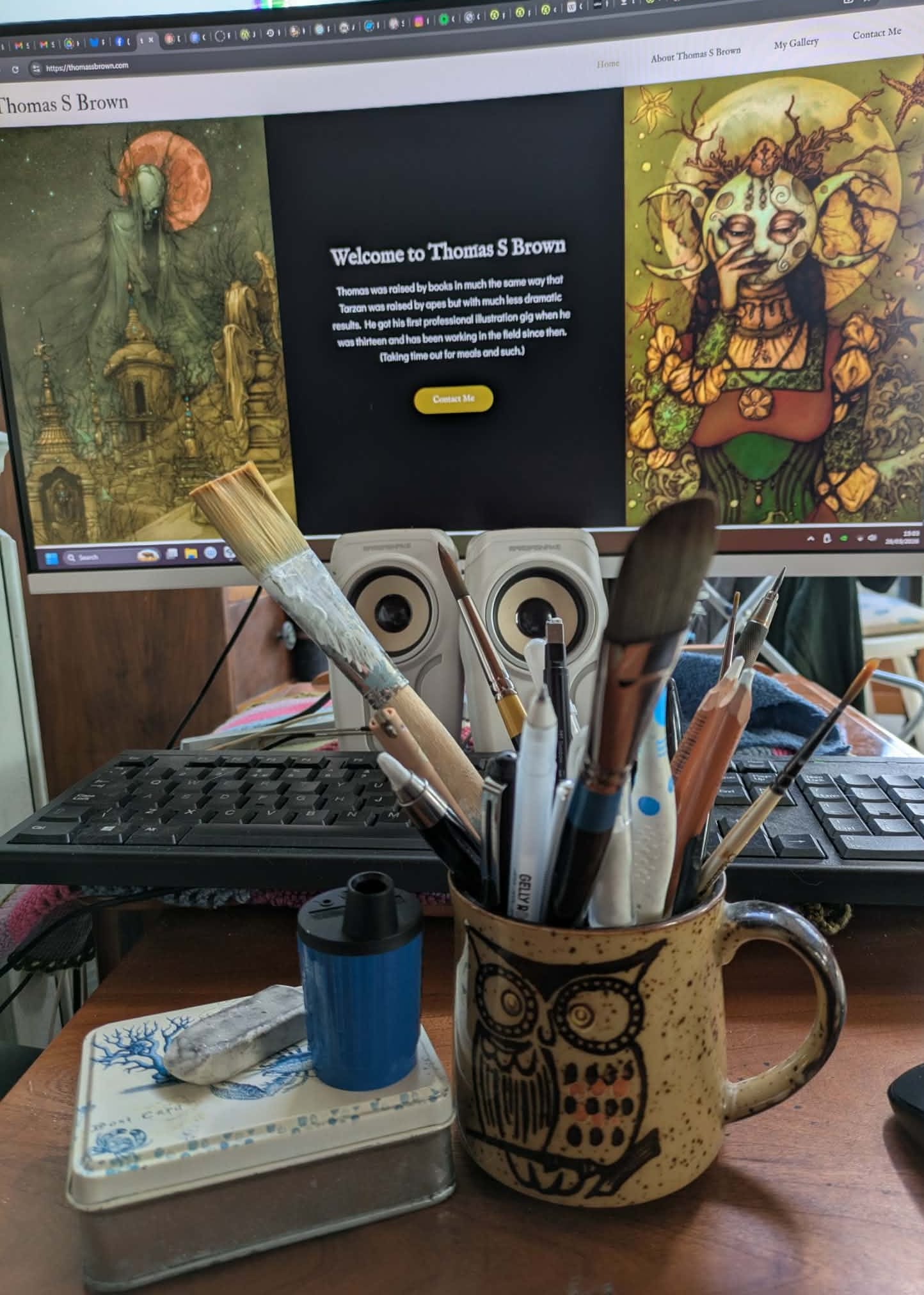
Tells about your working day – how do you practically approach your artistic practice?
I try to take advantage of one of the good aspects of being freelance and have a flexible approach. Usually eight to twelve hours daily, sometimes only one day off, depending on deadlines.
Why this medium to voice your art?
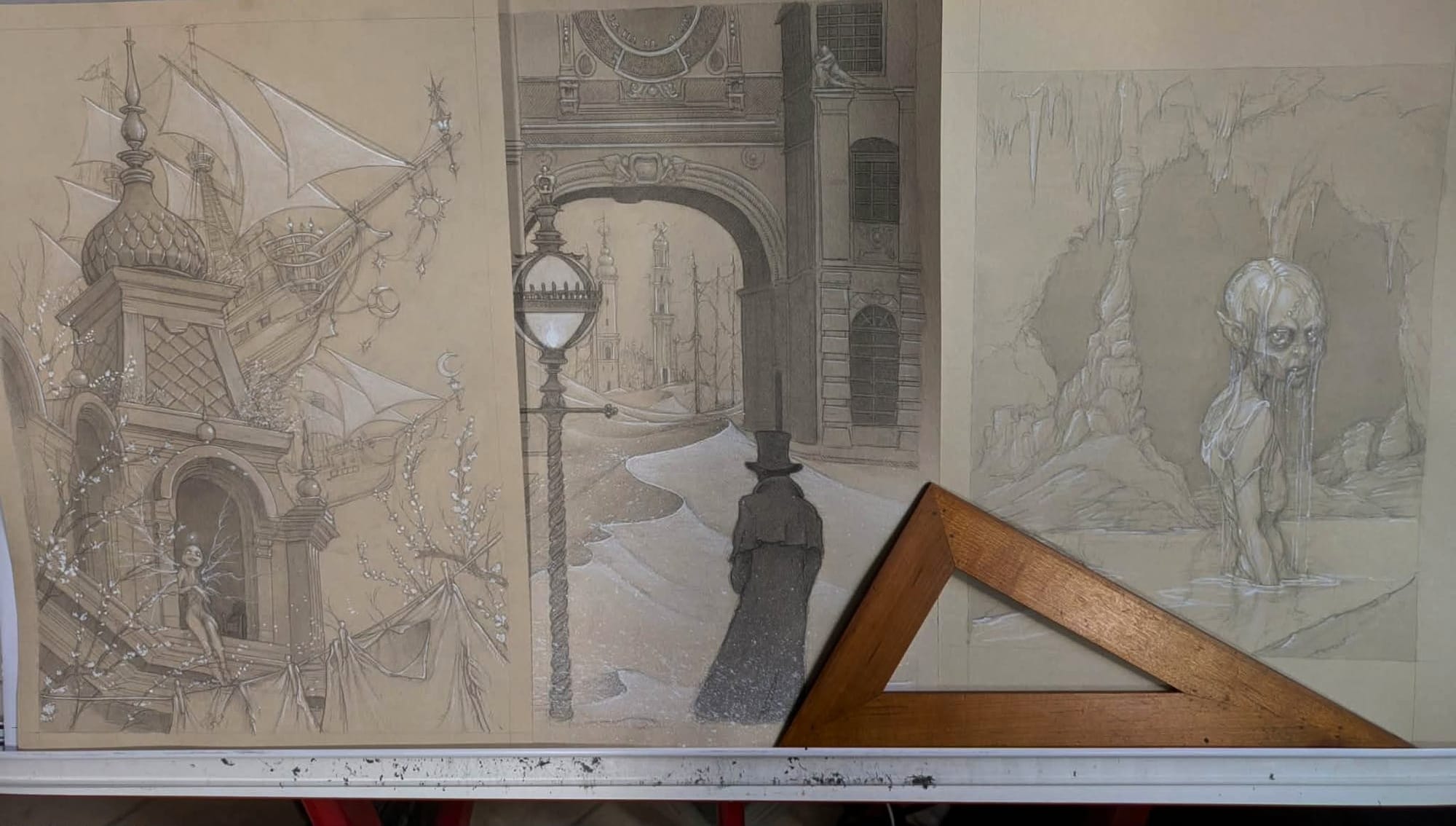
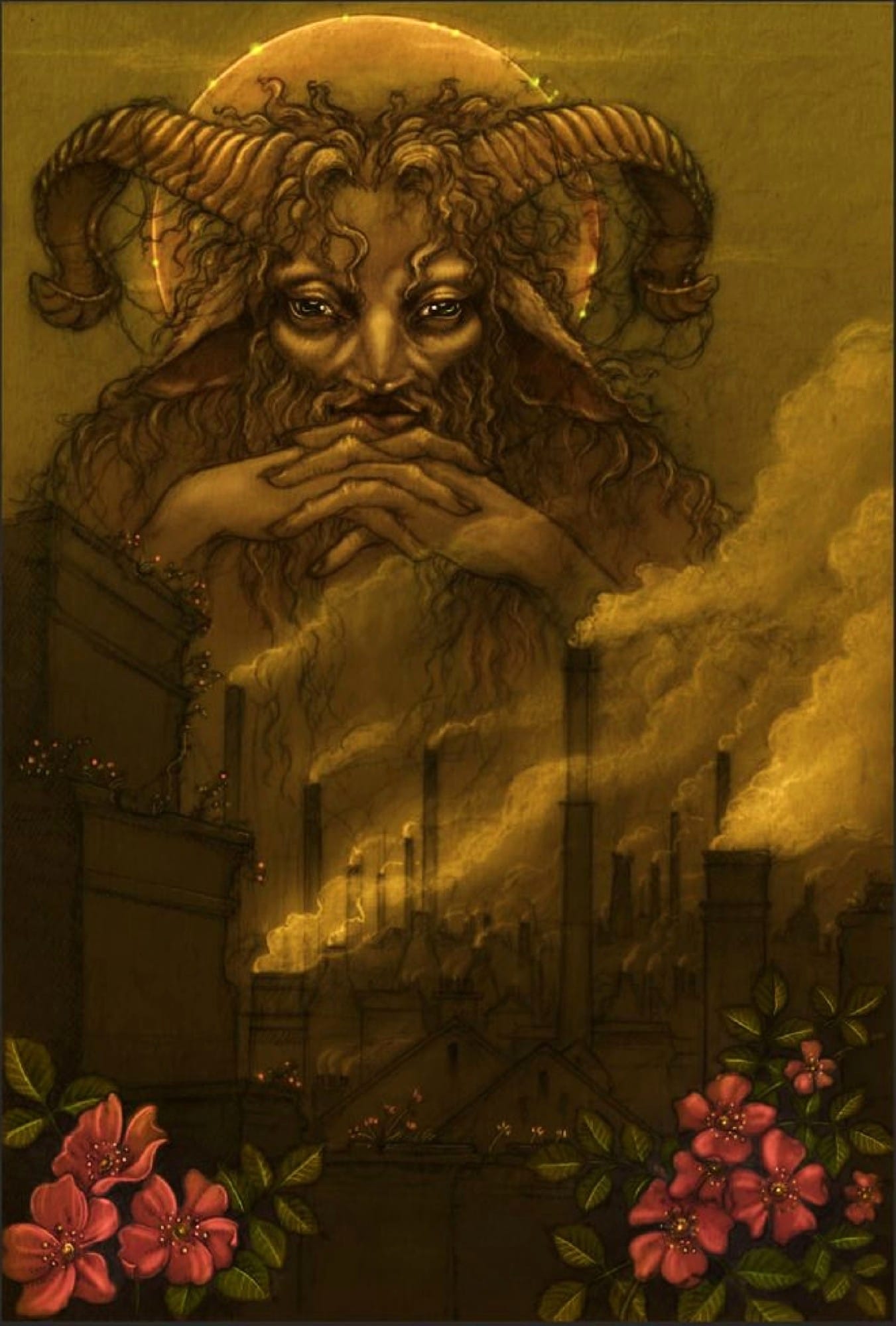
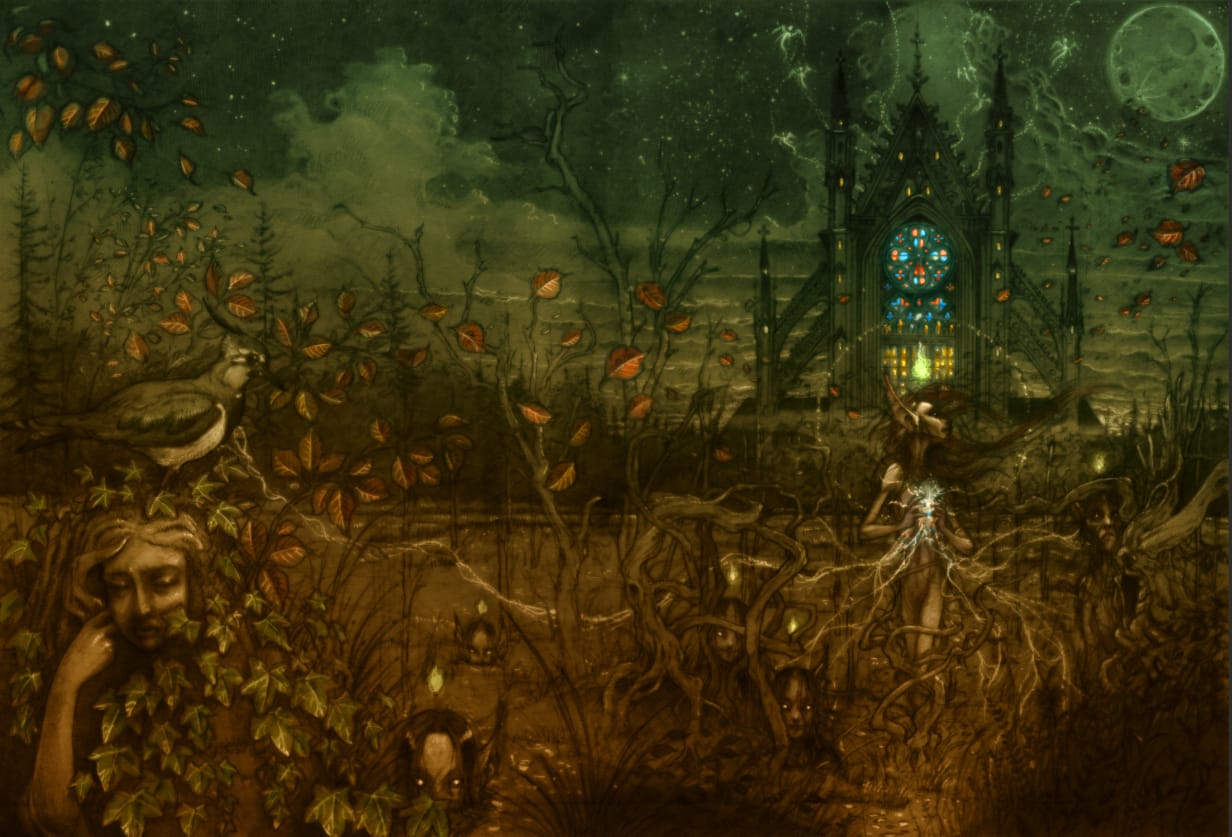
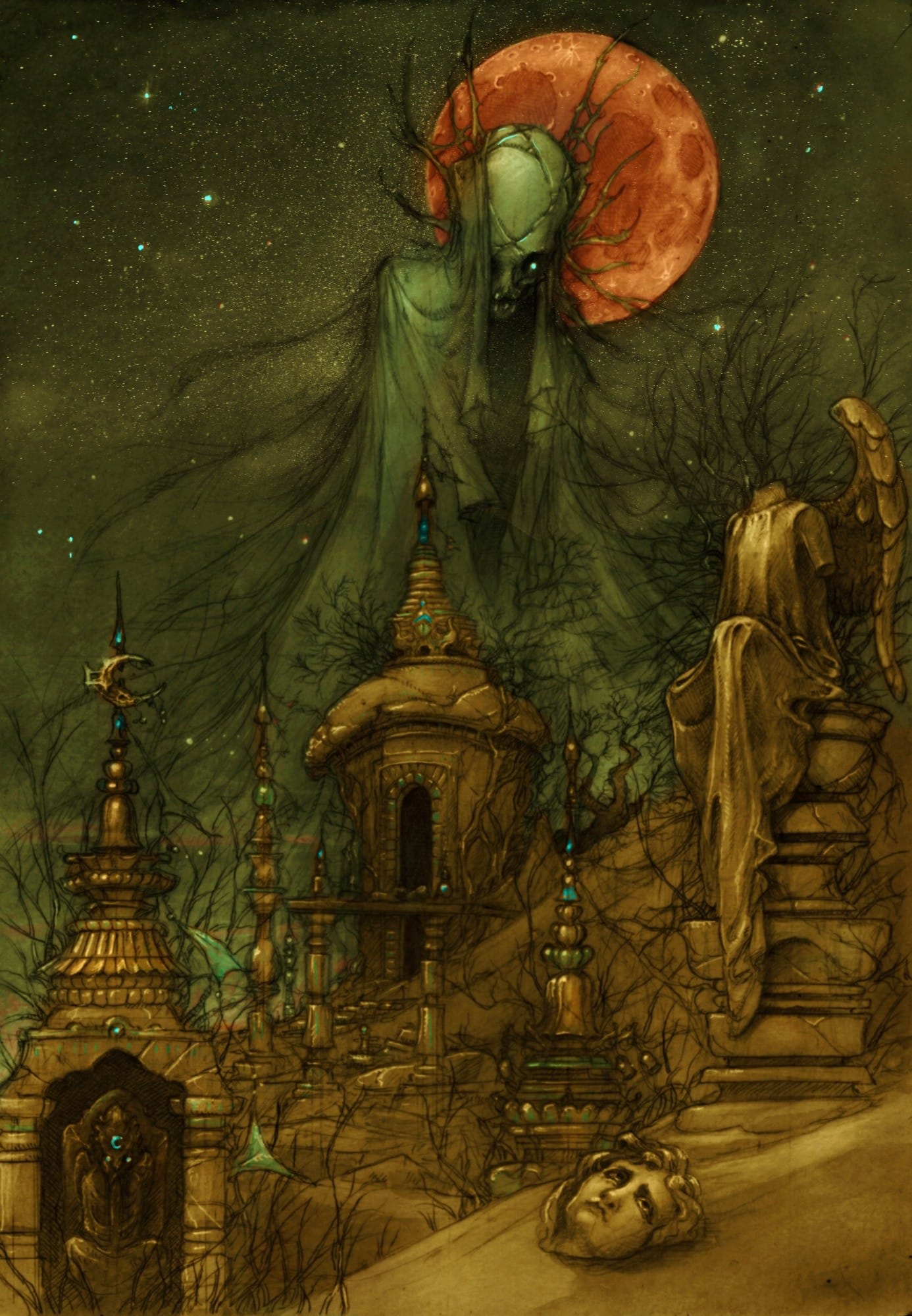
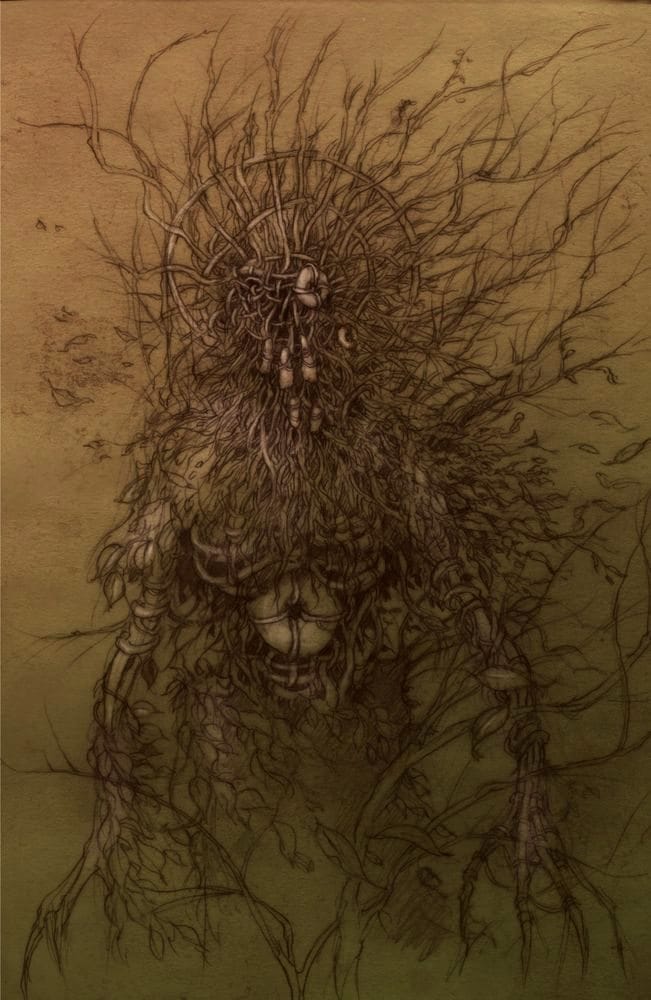
It's what works best for me at the moment. Pencil, chalk, ink wash, white pen on toned paper allow me to work in two directions tonally and still keep subtlety and detail. At every chance my method will continue to evolve. I used to work primarily in pen and ink, and I think I'll want to get back to that soon. Also, gold leaf and silverpoint are things I want to explore again. Currently, I colour digitally but that too may change.
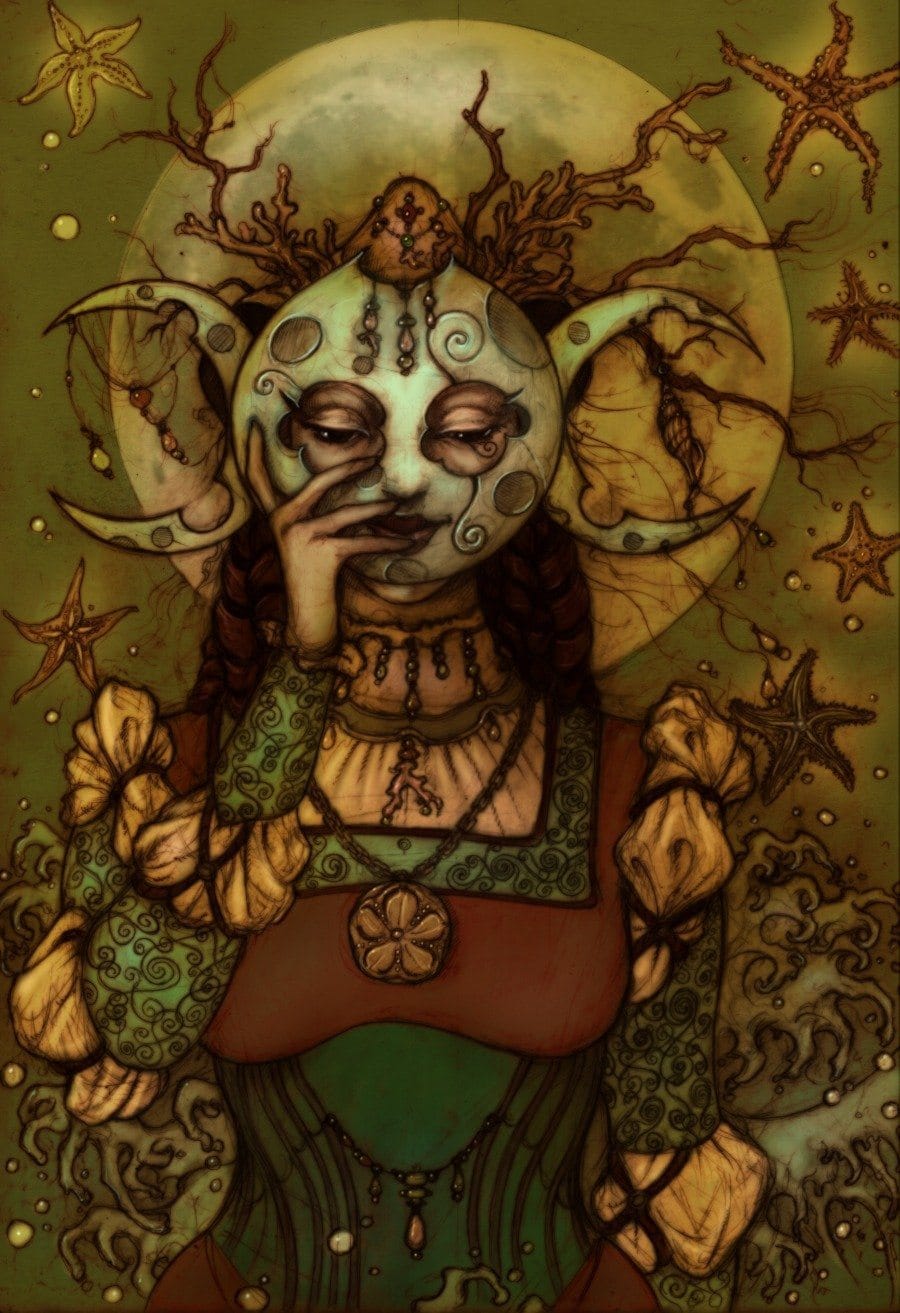
Your work is very dreamlike, and ‘far away’ – not just in the subjects, but in the palette and the ‘finish’ (is that the right word?). The seem real but half-recalled, behind a veil and hazy. Is this an intentional position or is it something that the audience has brought to it?
I'm not interested in realism except to the degree that it's required to give the viewer a known place to stand and helps them to accept everything else in the image. I like to think my work falls on the poetic side of things, and there are things I want to show that realism will never communicate.
How much work do you leave to the audience?
Difficult to say. Everyone brings something to the work, and I hope I always leave them room to inhabit the art to a degree. Of course, I'm an illustrator, so sometimes the amount and sort of visual information is not entirely my decision.
Who have been your influences and mentors and how have they shaped you?
My influences change and evolve, as they should, but I’m very much inspired by the golden age illustrators and like to think I’m following a bit in their footsteps (while also charting some new ground). Barry Windsor Smith was a big influence and Jimmy Cauty. In another way, a lot of manga artists, and Hiayo Miyazaki. My only mentor as such was my art school room-mate Nick Jainschigg. He was already doing professional standard work on arrival and I was one of the worst in the class. Just sitting next to him and working made me realise that there was no fundamental difference between us. Same number of fingers and all that. So I just really started to dig in and see what I could do. I think I learned as much from my fellow students as any of my teachers.
How do you work with clients – are you interpreting their dream, or is it much more prescriptive?
I am very fortunate to have got to the stage in my career (and stylistic development) where people hire me for the sort of thing that I happily and naturally am drawn to drawing. So I rarely get heavy handed art direction. Sometimes there are specific points that need stressing or changing, and I always work with the art director when that is the case.
What advice would you give to someone in how to manage client relationships, especially with that age old tension between what the client wants, and what they need?
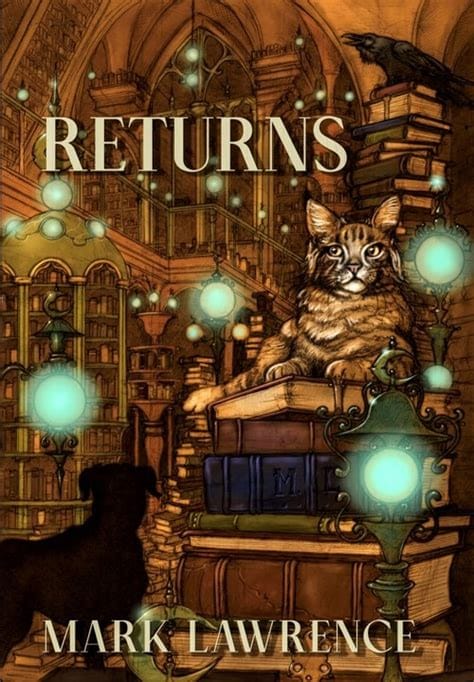
That's more of an issue when I'm working with an individual author, usually. I have to explain that I’m communicating many things in one image. Genre, mood, etc, and I have a portion of a second of the viewer's attention to communicate these things, often at thumbnail size on a website. It's not like sending a photographer into their story, and sometimes, that's what they think they want.
Has your art positively helped your mental health in any way?
It's a huge part of me. Intrinsic. I was in a homeless shelter once, and I started a comics series right there because I needed to create something good and positive. All of my housemates became interested and had something to focus on that was alive and hopeful... I've sat and painted with tears running down my face. Art is my “Hallelujah Anyway”.
Art is deeply human, it will make you look at everything differently, more deeply.
What advice would you give to any illustrators out there who are trying to put together their projects?
Make real friends in the industry, get people behind you and get involved in the process.
Has there been a moment in your life or in your work when you have realised that you had something, that you were where you belonged? Tells us about that.
I pitched an illustrated Lord Dunsany project that has been a dream since art school. It took two emails to find an enthusiastic home for the project.
What are you watching/listening/reading at the moment that you can recommend to us and why?
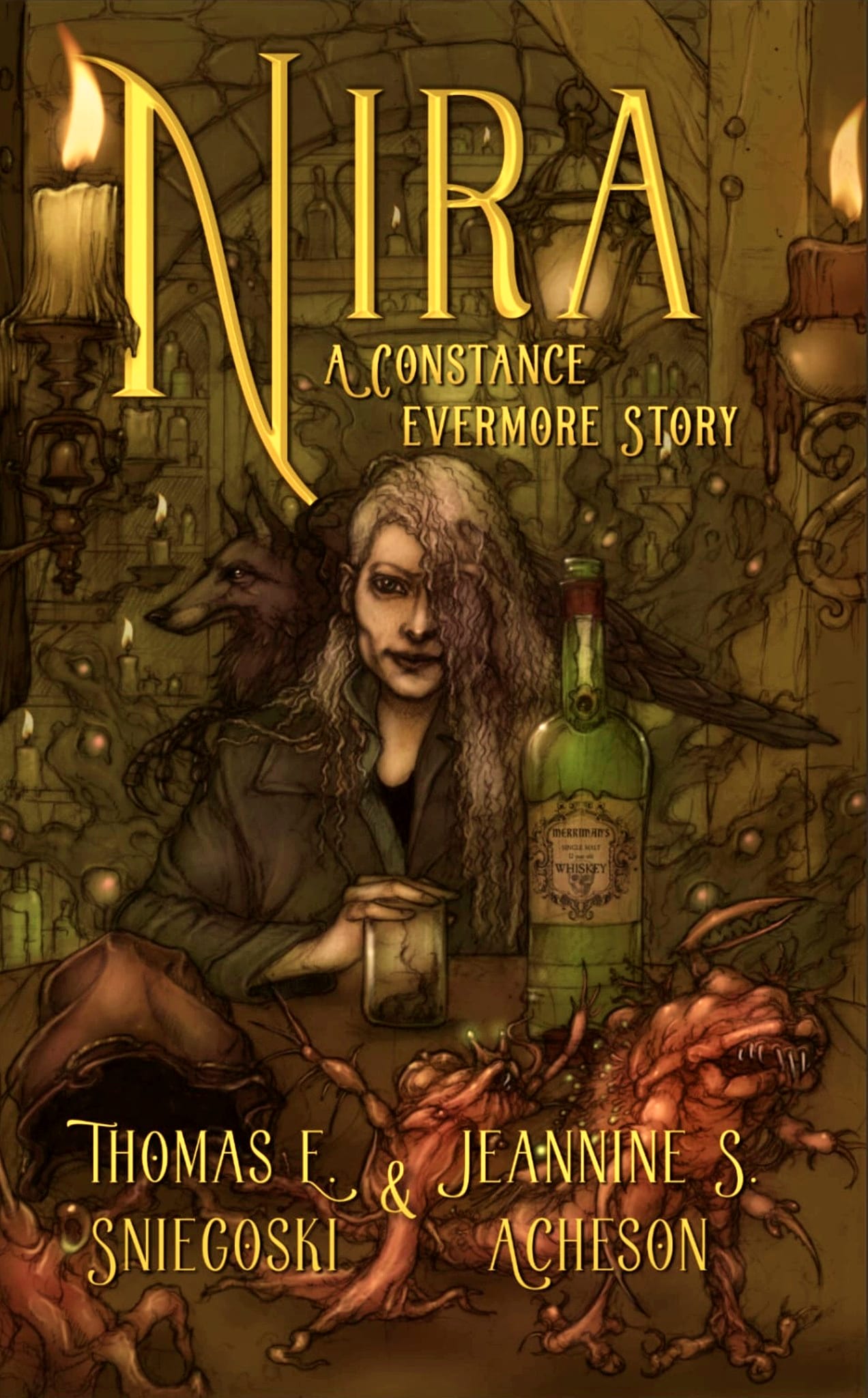
I'm a voracious reader and a greedy music consumer (I think this is important for any creatives). Online, find Hookland. It is beautiful and strange and oddly true. You read and somehow you have known or heard of these things since childhood. Also, it is gorgeously written. Also, of course, Lord Dunsany - poetic, sharp, sometimes otherworldly, but with keen observations on nature and human nature. Musically, I'd recommend the music of Talis Kimberley. Again, when you listen you feel that you have always known of these things, somehow. One of the best songwriters ever. It may be that I am working on or will be working on projects with all of the above also. That's my life right now, and it's a bit of a dream come true. Also, I do a lot of work with the truly amazing US publisher Bad Hand. As I only illustrate books I love, I can recommend every book I’ve illustrated with them. Root Rot by Sarah Read, the utterly fantastic NIRA (a lavishly illustrated dark fantasy novella, first in a series about the enigmatic Constance Evermore), Pixernia by Joanne Anderton, haunting in a very surprising way, and Rise from These Dark Waters by Megan M. Davies-Ostrom. Anything from their catalogue is going to be well worth your time.
For other general reading, some of my favourites are Ray Bradbury, Robert Holdstock, Babel by R.F. Kuang and anything by Silvia Moreno-Garcia.
What I listen to while working is a pretty eclectic mix - Voice of Baseprot, Wardrunna, Skindred, Babymetal, Heilung, The Hu and the soundtrack from Arcane (and yes, the soundtrack from K pop Demon Hunters too).
What advice would you give to any artists out there who are at the very start of their career?
Be the sort of person you would like to work with, find what you are passionate about and lean into that. Find your own style, then you will be irreplaceable.
We're constantly on the look out for new artists, creatives and initiatives to feature in TheNeverZine - so if you are, or know someone who is going their own way and doing their own thing on their own terms and would be a good fit to feature please smash that button below and get in contact. By talking to each other, and sharing our journeys, ideas and insights on creativity, art, mental health and resilience we can all create, share and thrive together. Nice thought that.
PS - Don't forget to subscribe below for more content from TheNeverPress 👇