Everything goes in. Nothing is in isolation and nothing is wasted.
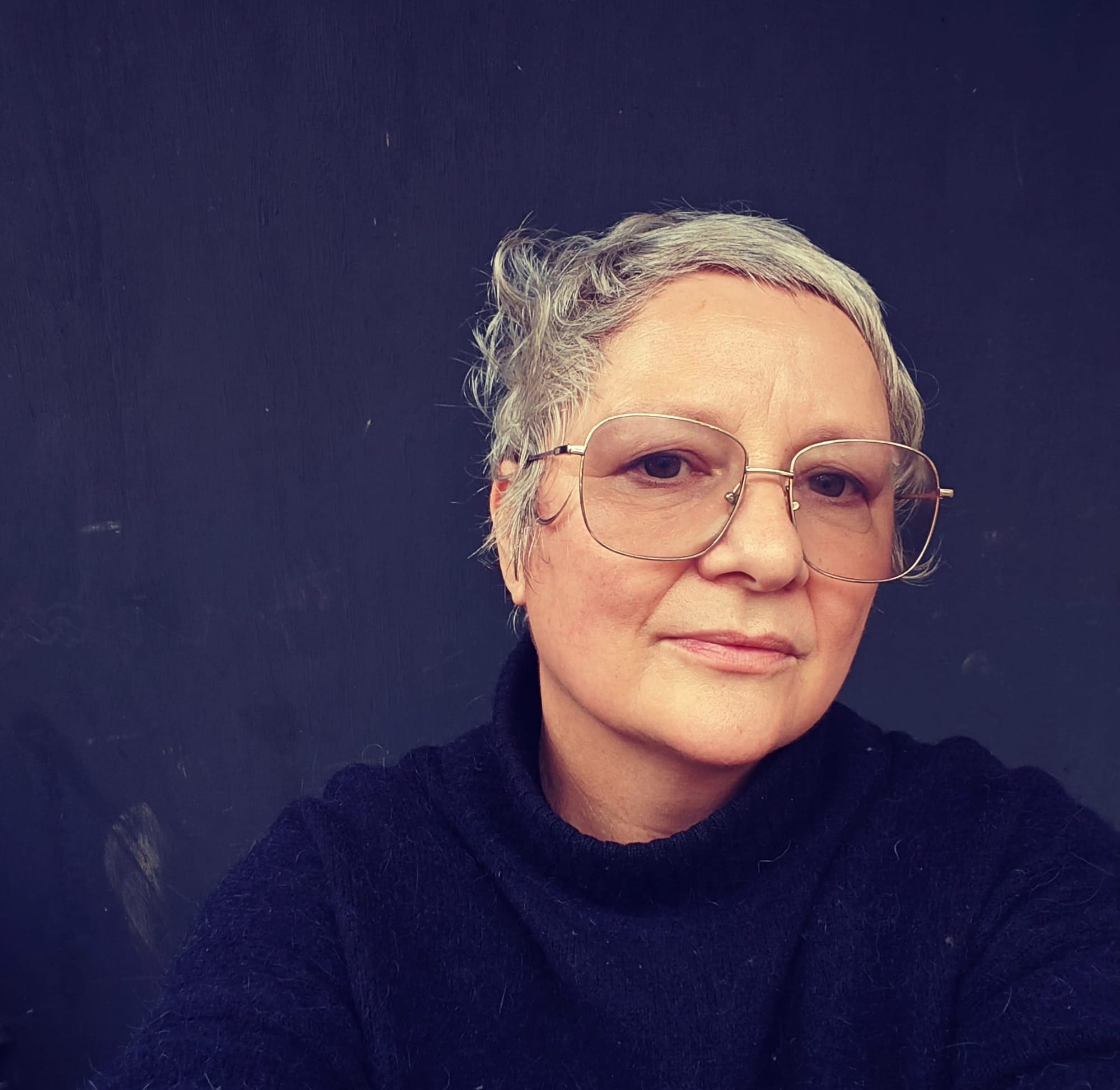
We have always felt that those are fundamental truths to our personal creative practice, and so it comes with great joy and some considerable relief when we meet someone who shares this understanding. It feels like we're from the same place. We have gone on huge, sprawling journeys in separate lives and we've never met, but we share a common grounding place. Weirdly, it's almost ancestral. This is how we feel about Siobhan Cawson Mooney - an artist who's work is a map of the journey. There is a richness of lived experience and also a vulnerable search for connection rippling just below the surface. It is universal, and yet deeply personal.
Over the next few weeks, we will be bringing you a series of Siobhan's work on TheNeverZine, but before we deliver those delights, we thought it best to spend some time together talking about life, influences, where one is from and the lodestars that guide us. And so, with great pleasure, we bring you this interview with Siobhan.
Siobhan, it's wonderful to be talking with you. Let's start as we always do, right at the start. May you please tell us about your creative journey?
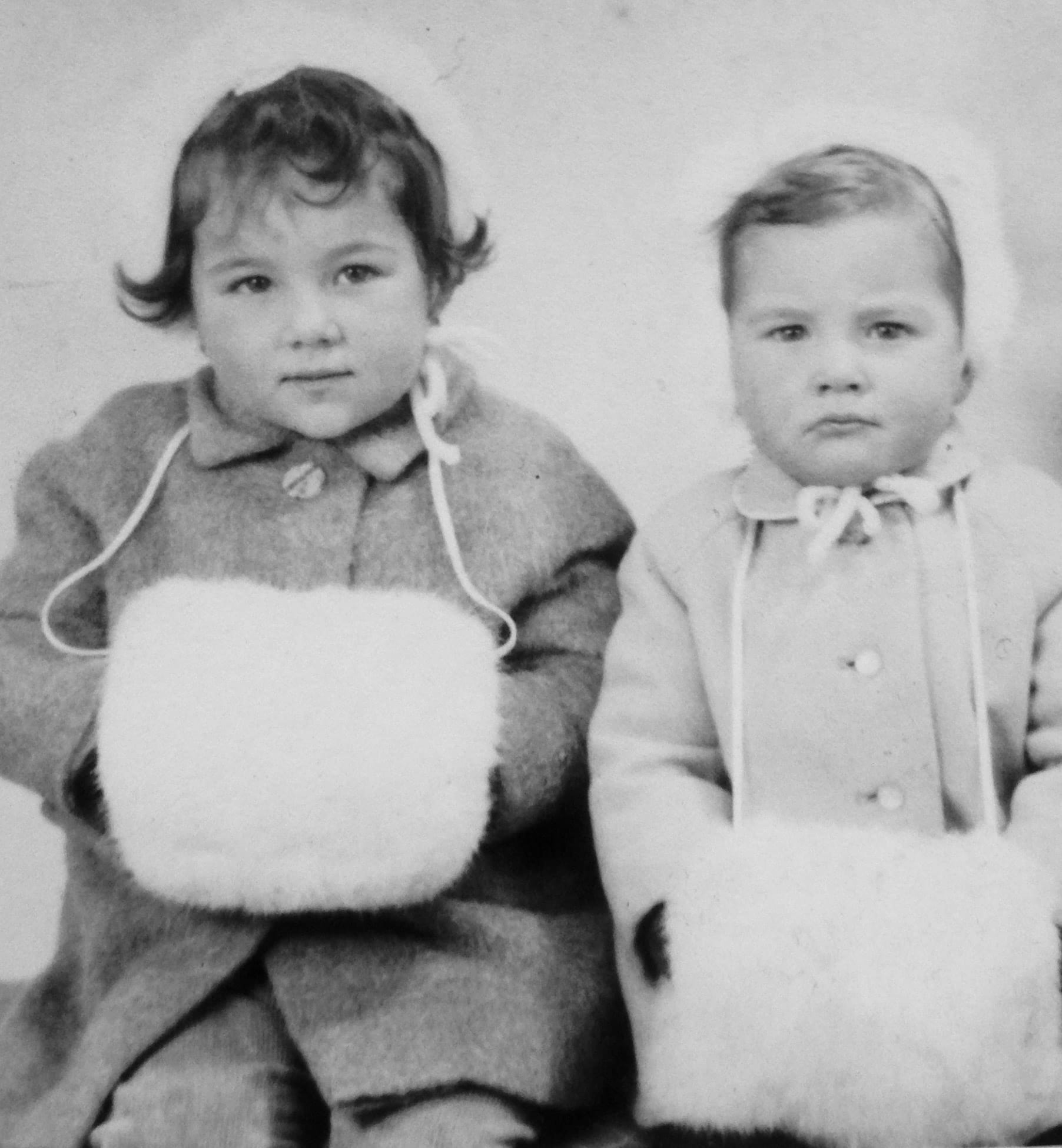
My creative journey began from an early age. I still have the first book I wrote when I was in infants school, complete with pictures in crayons. I think most of the four or five line ‘stories’ were inspired by my dad’s obsession with taking us on hikes to the mountains of North Wales - a landscape I was introduced to as a baby in a pram… Llangollen, the Horseshoe Pass, the Lete Walk, Tryfan, Snowdonia, Anglesey, Moel Famau and Moel Arthur….
I learned piano from the age of seven and went on to study singing from the age of fifteen when music lessons were subsidised in school. I continued to write poems and stories and performed professionally as a soloist in the Bekynton Consort, an early music vocal ensemble all whilst singing in a punk band. I loved art and drawing because my dad worked in the Print, he would half-inch sable brushes, watercolours, porcelain paint dishes and bring home reams of paper for my two sisters and myself.
I was expelled from school in the first year of sixth form, but finally passed my A levels at Strode Tertiary College in Street - it was the first time I’d been treated as a human being since leaving Priddy School on top of the Mendip Hills in the summer of ‘77. Then, I had badly grieved our beloved headmistress, Mrs Finlayson. She understood children intrinsically and I never felt like I was an oddity, she made space for us all, no matter our background or difficulties.
I became totally consumed by music, studying Voice and Piano in Cardiff at the (now Royal) Welsh College of Music and Drama and eventually as a post-graduate on scholarship to Trinity College of Music (now Laban) and embarked on what was to be initially, a promising straightforward classical career, until the death of my father.
I never fully returned to the career I longed for, but at some point, I made a decision to pursue my art for its own sake, I became a journeyman of the voice.
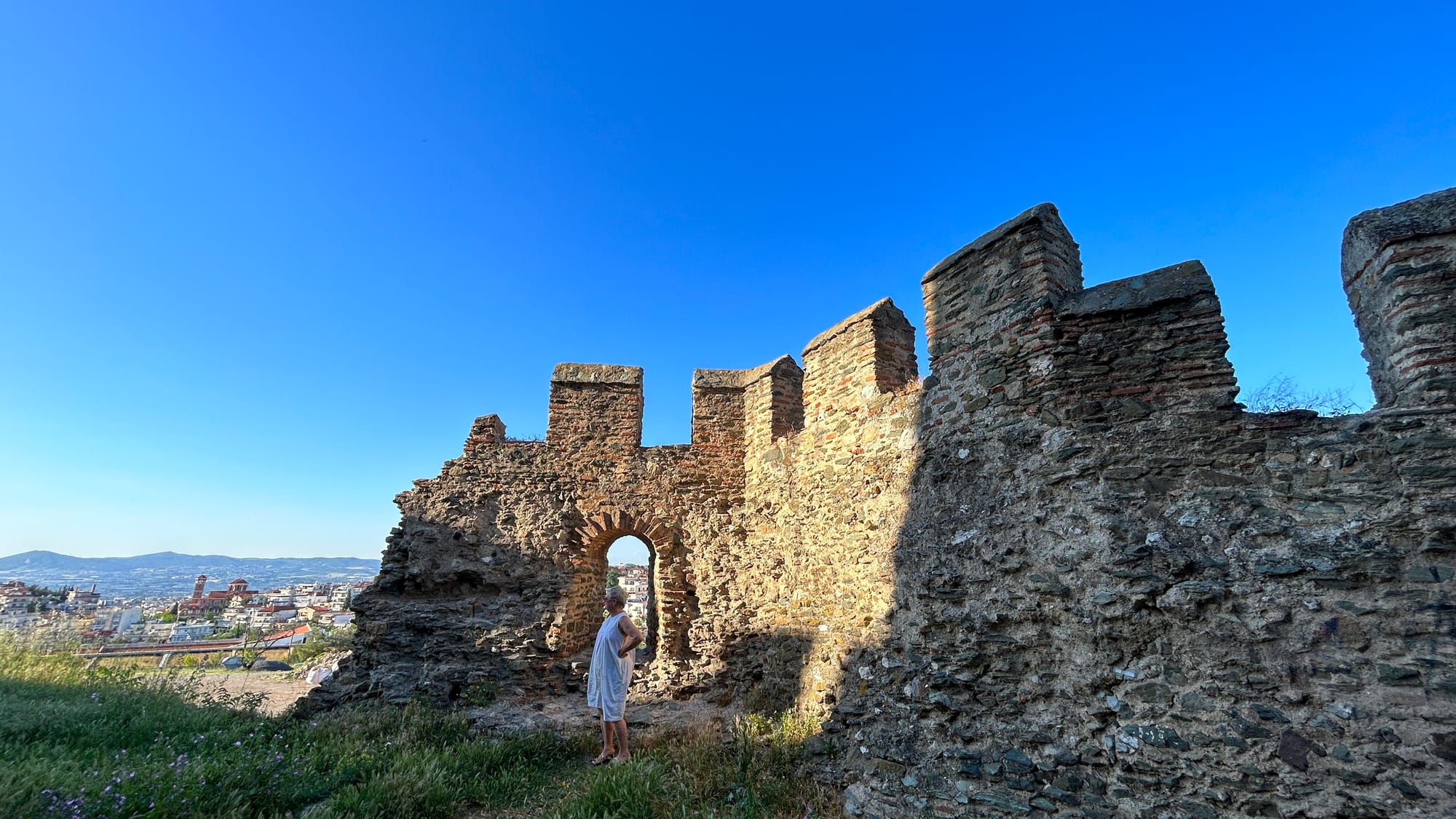
How did you come to poetry, or has it always been with you?
Poetry has always been with me, I read voraciously without even realising I had learned to read. I loved the mystery of travel through a book, a poem or a rhyme, it was irresistible and compelling.
Handclap games and the big skipping rope at school were all-consuming, rhymes and stories shared, perfected and developed. Sesame Street came along when I was five; the intersection of class, race and respect for 'the other' in collective humanity, coupled with humour, vivid animation and incredible music expressed through both human and puppet characters, was and still is, a potent influence on me.
Poetry evolved with me both as a passion and as a form of expression, it was a sensory experience, percussive and musical - I fell in love with how words sounded, the rhythm of language spoke deeply to me. I had a visceral response to words and metaphor, which developed in tandem with my love and subsequent study of music.
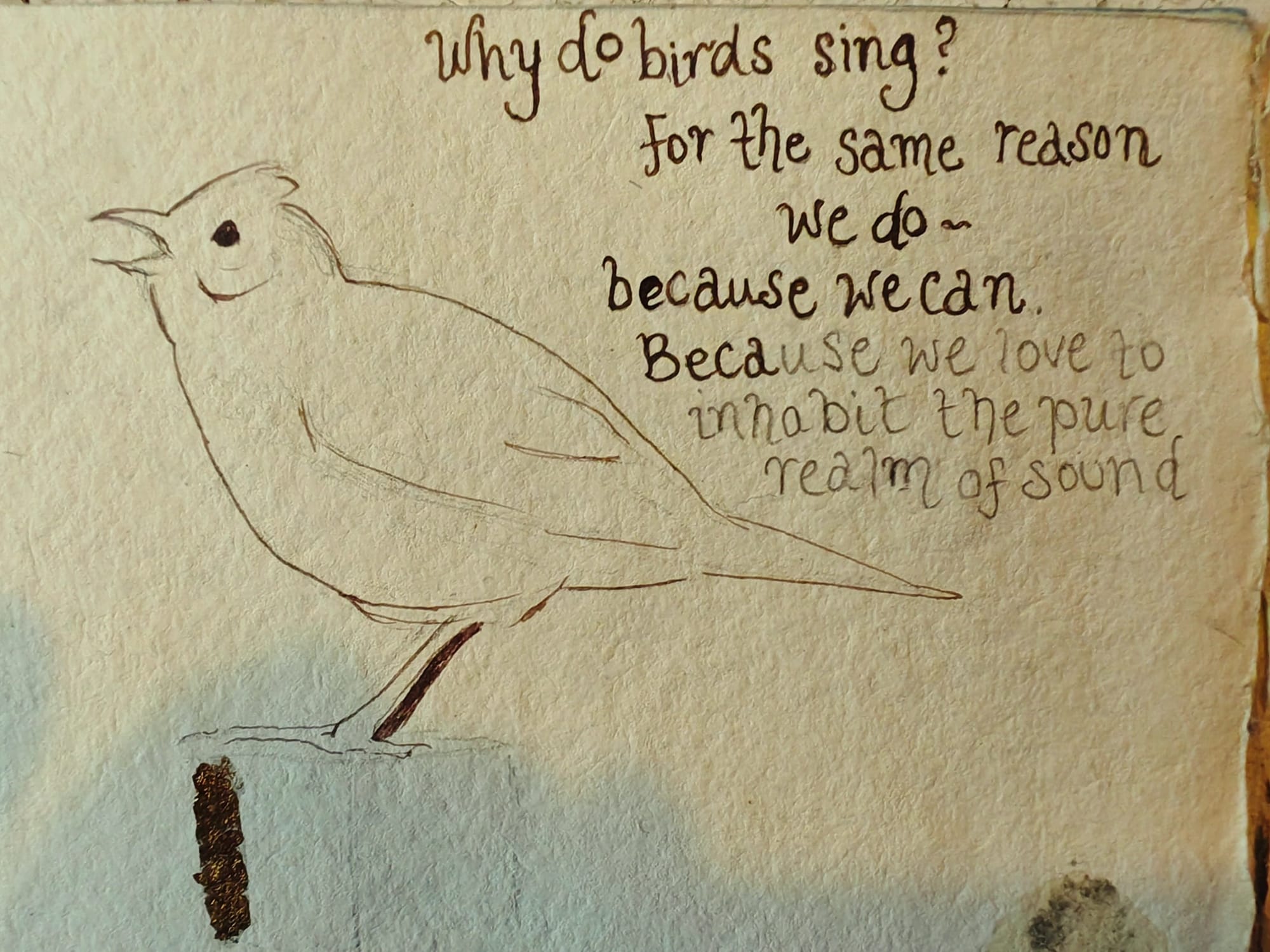
What themes and motifs drive you?
I think my immature writing was an immediate connection with the world around me in the isolation of the Mendip Hills; it became my way of coping with the turbulence of being a teenager - suffering what seemed like endless, unrequited love, intensified by rejection sensitivity. Frequent bullying was a constant. It wasn’t just having a ‘weird’ Irish name, but the confusion that came with not knowing I was neurodiverse. As the fuck ups stacked up, my frustration, anger and sense of otherness became a powerful catalyst for writing.
I grew up in a fiercely political household and family. My grandma would not have Thatcher’s name uttered in her house after the devastating economic destruction ‘that bloody woman’ visited on the city of Liverpool and its citizens during the 1980’s. This instilled in me a non-negotiable need for equality and justice, whilst this isn’t necessarily explicit in many of my poems, I am finding ways of responding to the current times we live in as authentically and honestly as I can.
Being in the maelstrom of a highly creative, but psychologically difficult, working class, Liverpool-Irish family dynamic, gave myself and my siblings great gifts, as well as a complex emotional burden. I have, over many years, tried to make sense of this through poetry. In the last twenty-five years, death and grief have been overarching themes: losing my father suddenly when he was just 64 and my beloved grandma, Edie, six years earlier, devastated me.
Over the last several years, I became estranged from my mother and siblings. Her recent death provoked extraordinary multi-sensory memories, which I am beginning to process. I feel there is a rich vein to be tapped into around family estrangement: 'the living loss'. It offers a different perspective on grief and the confines of often very difficult family relationships.
'Vivir con miedo es como vivir a medias' - a life lived in fear is a life half lived. I want to be free of the self-imposed carceral regime which shut me down for many years and became the biggest obstacle to unlocking my creativity.
Public performance - how do you prepare and what are you feeling when you’re behind the mic?
I trained to be an opera singer and performed professionally, really from the age of about sixteen, therefore, I find it easy to get up in public and perform. It’s a very different experience performing my own poetry. You do not have the cushion of other singers, a conductor, orchestra or pianist, as a result, it can be far more anxiety-inducing and it’s something I’m still getting used to.
I’ve been acclimatising myself by reading my poems to anyone who’ll listen and also recording them. It’s also really good practice to have other people read your words, it adds another dimension to a poem which I think helps you perform them better. More recently I’ve been reading my poetry at small events, something which came about after joining the Bethlem Writers Collective. We were very fortunate to work with writers Jess Murrain and Tom Newlands as part of the Bethlem Gallery workshops programme. Their unconditional encouragement and guidance, in such a supportive environment gave me the confidence to accept myself as a poet/writer and to not be ashamed or fearful of the emotions that can bubble up unexpectedly when you’re behind the mic.
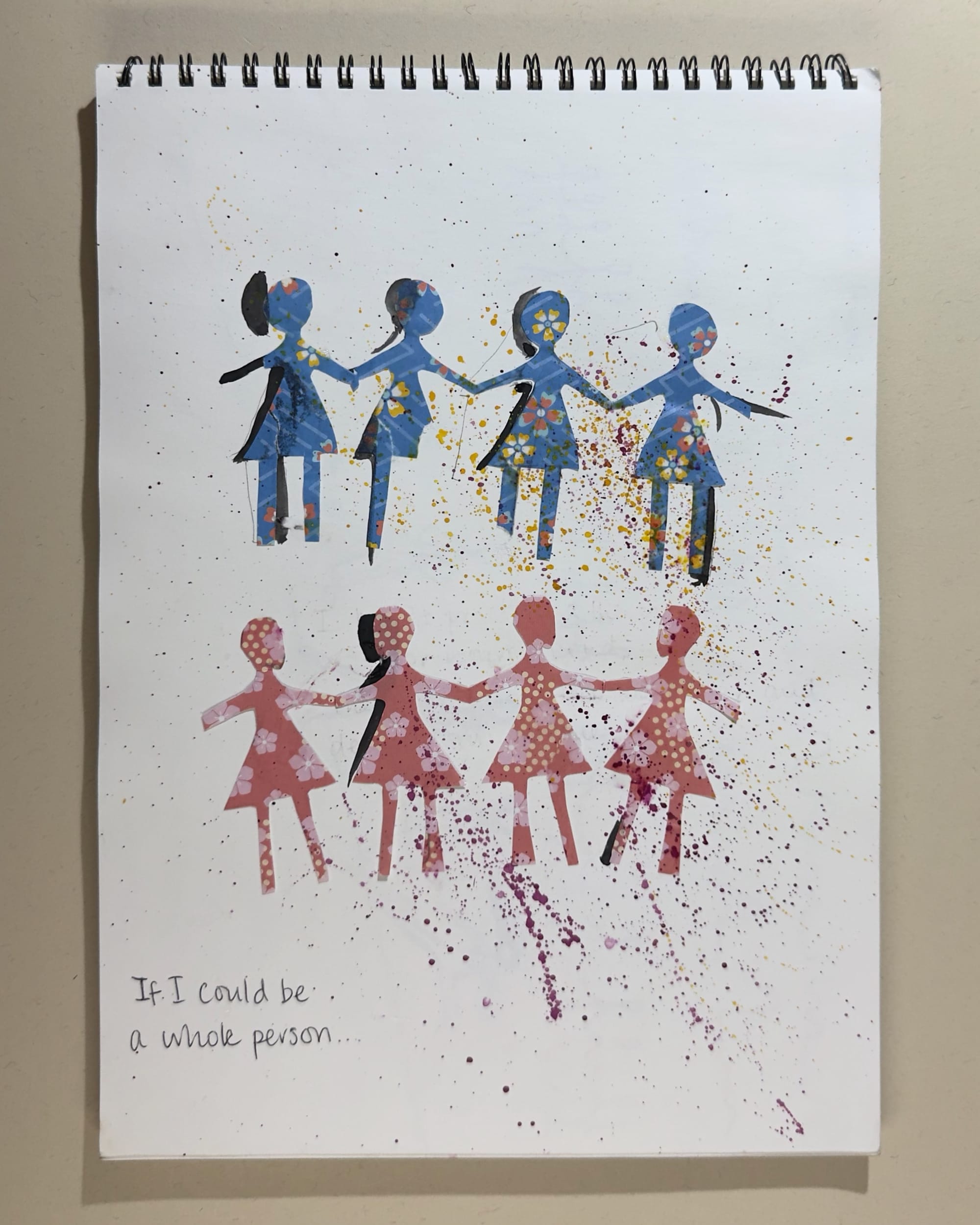
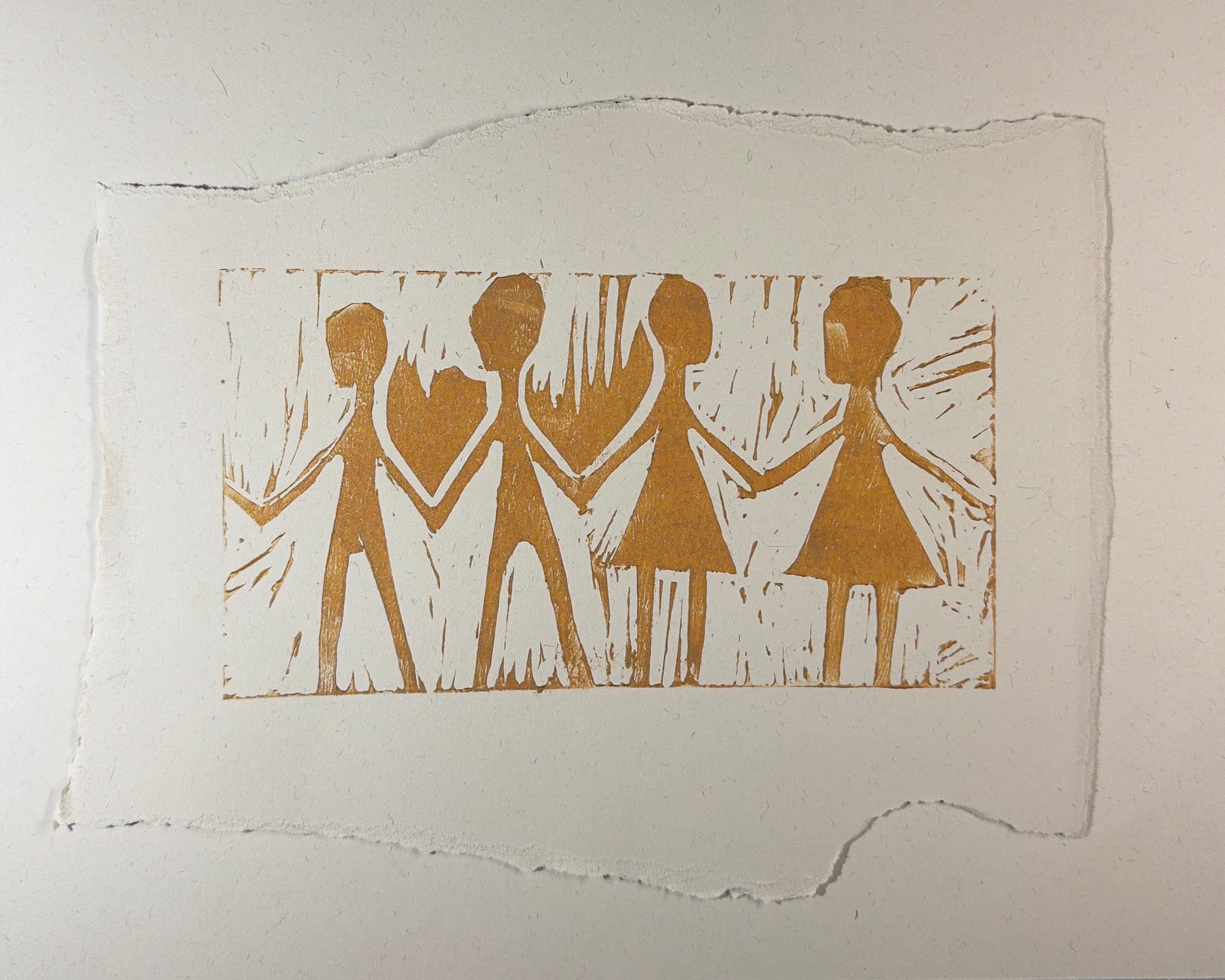
Do you work poem by poem, thought by thought, or do you work with a collection in mind.
I have always worked poem by poem, reactively and retrospectively, but in the last three years I have struggled through a serious mental health crisis with scant support.
My poetry has been through a metamorphosis and galvanised around that recovery process. Poetry has, without doubt, helped me recover myself - that inward journey into the darkest reaches of my soul, helped release my creativity from its shackles.
Where does it come from?
This is such a good question, I hate the cliche of 'nature versus nurture', it’s too clinical and reductive, but I think it comes from being curious and observant. Isolation gives you time and space to listen, but also we cannot escape the genetic soup that makes us who we are at a particular point in time.
I discovered recently that trauma, experienced at any age, activates a very old part of the brain which 'wakes up' and starts vibrating. It hums away in the background hindering your perception and response to the world on a subconscious level until it can be coaxed into sleep again. I don’t think anyone truly knows where the creative self comes from, but I do know you have to wade through an enormous amount of clutter to hear it speak clearly and give it life.
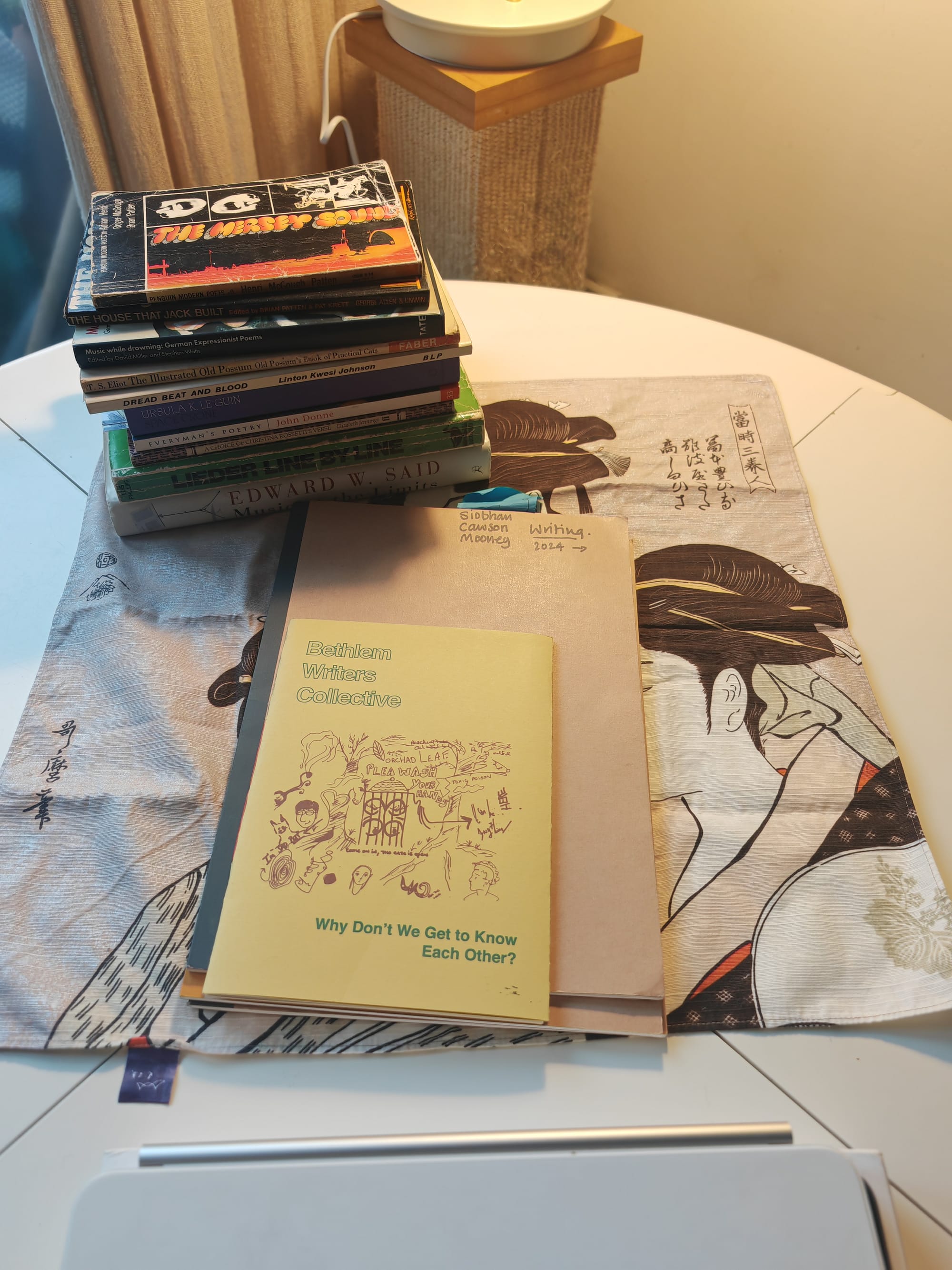
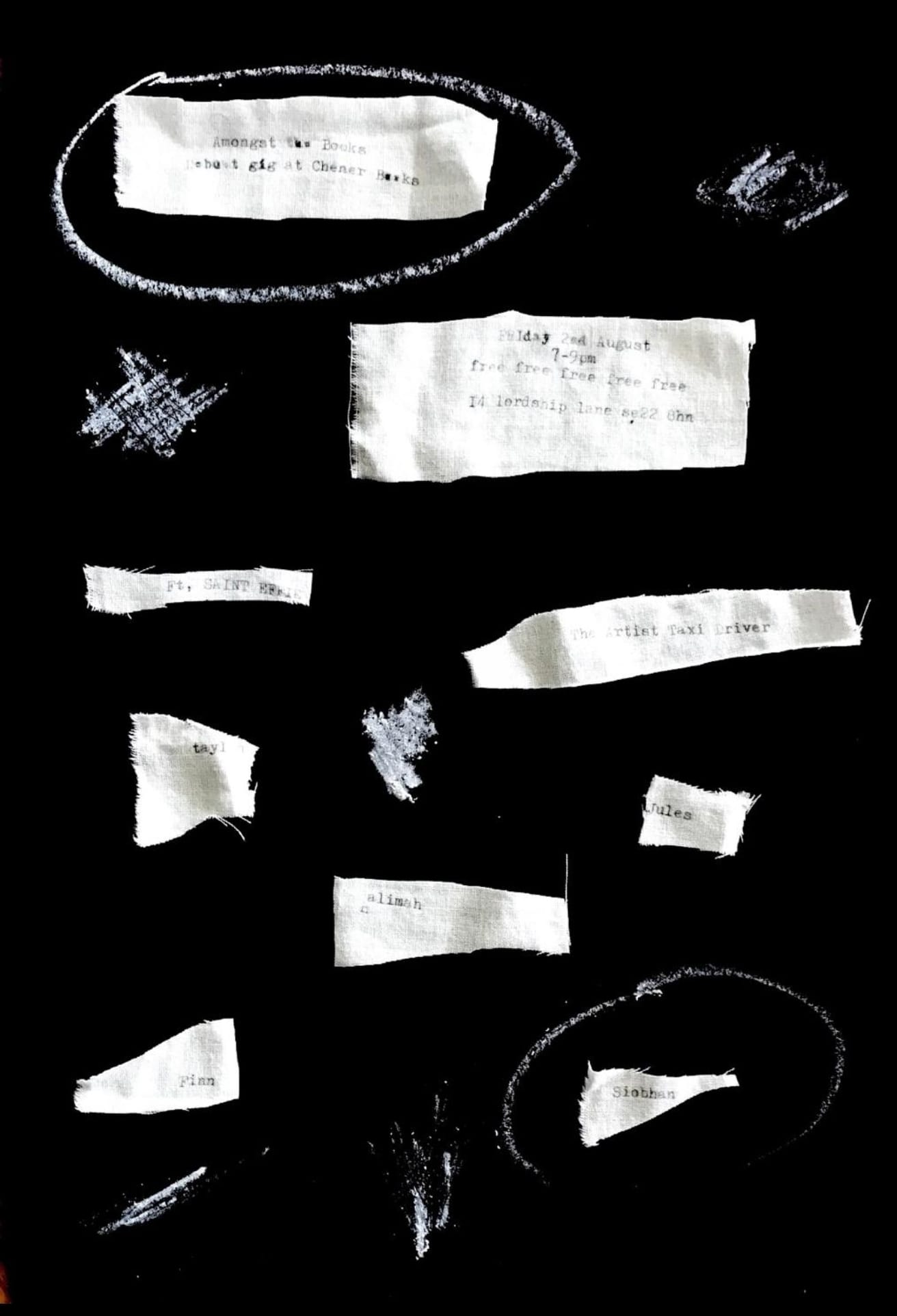
Artwork by Dorothy Dunn, Bethlem Writer's Collective
Sometimes it’s better to leave an idea that isn’t working and move on, and sometimes it’s better to keep going and wrestle it into being. How do you know when to step away, or when to push on?
Ah, the age-old question! There are times when wrestling something into being is the most wonderful experience, you drive through into another dimension and something takes on a whole new life. However, you do need to step away, sometimes for a year or so, for an idea or problem to ferment. Distance can give clarity.
What inspires you day to day
Finding courage in myself to keep pushing through fear - burning new neural pathways of creativity and self-expression, after suffering a complete loss of the self and breaking down; the journey from the underworld back into the light, from inconsolable sadness and abject loneliness helped me see the world differently, giving me a sense of urgency I’d not felt for a long time.
I derive great inspiration from the people I’ve met on that journey - both in real life and more broadly, in people bearing witness and responding to extreme violence playing out globally. To witness kindness, generosity, compassion and selflessness in the midst of suffering, seeing people with absolutely nothing become self-assured and unafraid, is a privilege and galvanising.
Who or what have been great influences on your work, outside of your chosen medium
I thought about this question long and hard and could have rattled off a list as long as your arm, but that would have been a bit tedious! For me, it has to be the combination of being from Liverpool, but moving to Somerset in 1969/70. There was something uniquely magical about growing up there at that particular period in time. However, it’s also about the teachers you encounter along the way. People who see you clearly and believe in you. My lodestar was Mrs Finlayson, from Priddy School - I always and forever think of her, she’s still teaching me. My piano teacher, Tony Bevan and my singing teachers, the wondrous soprano, Tessa Cahill, the great mezzo Nuala Willis and the savant of the voice, David Harper. Even in the most difficult times, what they have given to me of themselves has become part of the fabric of my being.
How can art help us?
I’m not being original when I say that all art really is the pursuit of defining and reflecting the human condition.
Shakespeare is a universal language, for all people and all time. Translate it into any language and perform it and it is understood. We desperately need that universal recognition to carry us through these terrible times.
The rare opportunity to listen, to reflect and to understand the world around us was, I feel, a positive of the pandemic. So many people had that opportunity to sit and observe, it unleashed long-buried creativity. More and more, whether in music, literature or visual art, I feel the need for softness. We need to be able to take painful experiences out of their boxes and examine them. Art allows us to free our subconscious and to safely explore the most fragile and intimate parts of ourselves without judgement, ridicule or retribution. For that we need time and space to think, to explore and experiment, to play and have fun, and when life becomes unbearable, I always hear Keats’ voice in my head: “glut thy sorrow on a morning rose!”
Art carries you through, re-connecting you with the earth when you feel you have lost all sense of where and who you are.
What advice would you give to anyone out there who is starting out on their poetry journey?
Don’t stop. Don’t give up. Keep searching, keep seeking and don’t be afraid to cannibalise old poems that aren’t working to create new works.
Nothing is wasted.
We will be bringing you a selection of Siobhan's poetry to you over the coming weeks, exclusively on TheNeverZine
And don't forget, we're constantly on the look out for new artists, creatives and initiatives to feature in TheNeverZine - so if you are, or know someone who is going their own way and doing their own thing on their own terms and would be a good fit to feature please smash that button below and get in contact. By talking to each other, and sharing our journeys, ideas and insights on creativity, art, mental health and resilience we can all create, share and thrive together. Nice thought that.
PS - Don't forget to subscribe below for more content from TheNeverPress 👇