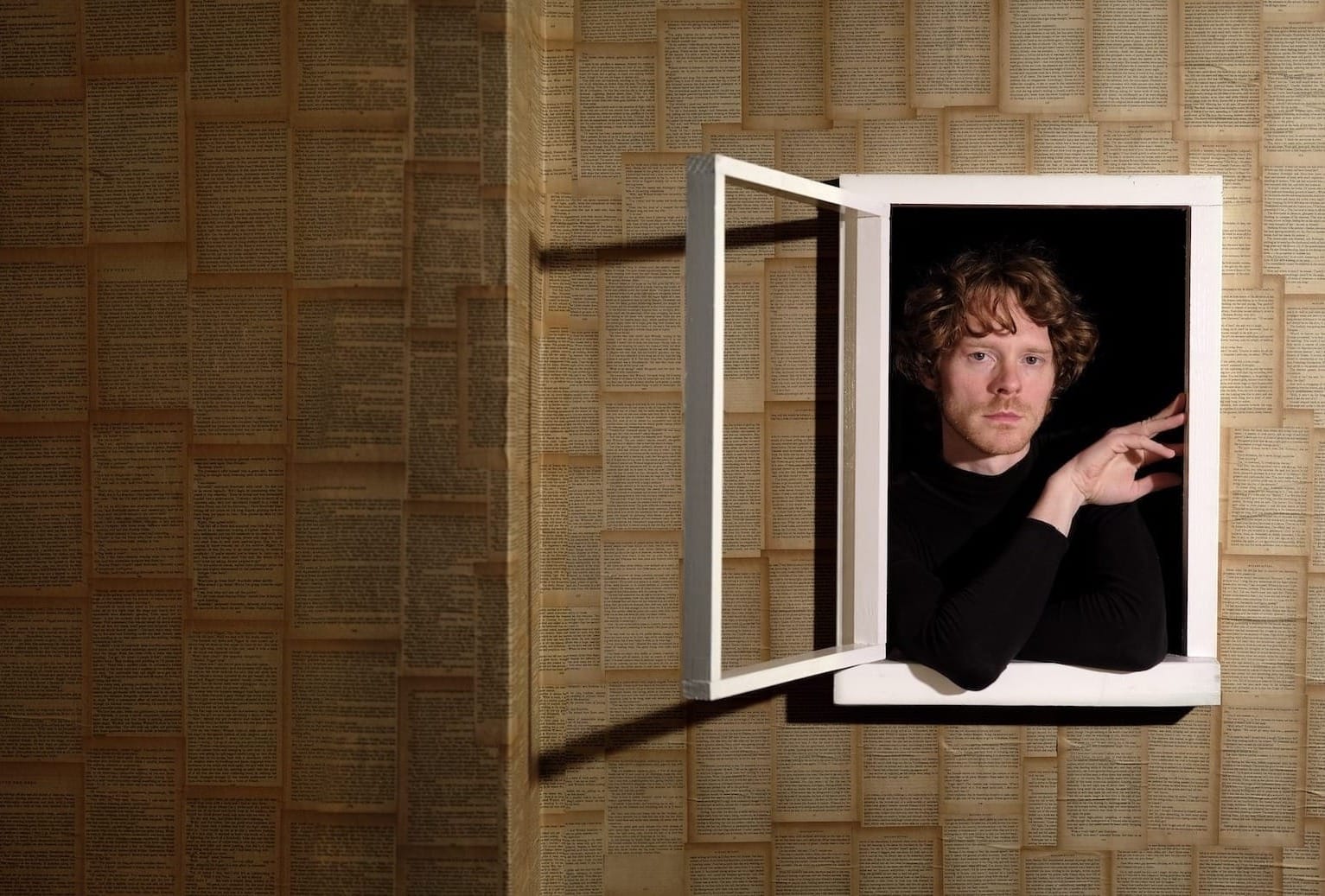
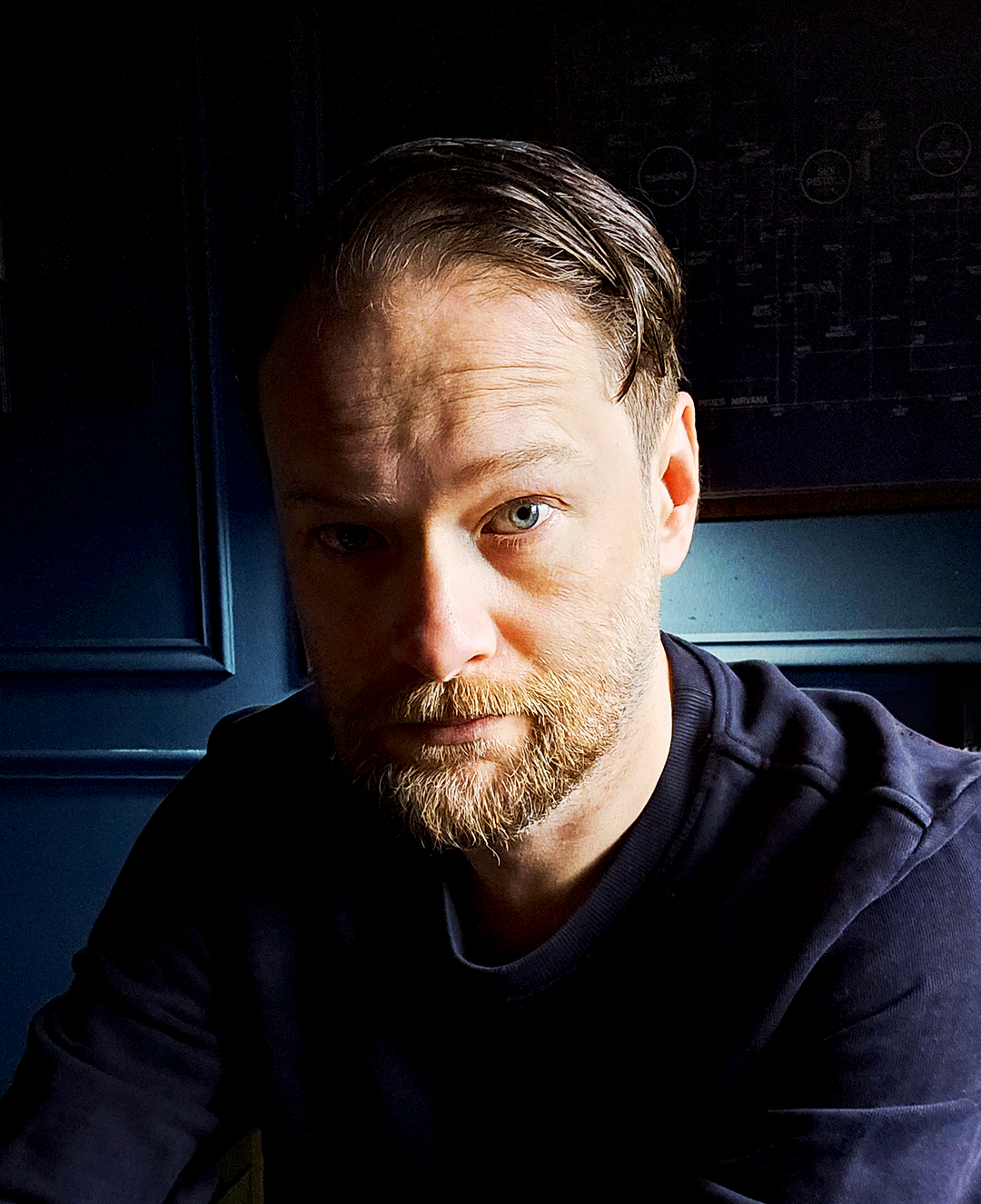
It's a big old world out there, full of wonder and intrigue. It's also a big old world that can feel distant and, at times, out of reach. How can one get 'out there' and be a part of it? Adrian Hornsby, a multi-hyphenate artist is one who might have cracked it. By allowing his curiosity to lead him, Adrian has trodden a path that not only has taken him all over the world, but offered him the chance to give his voice to a multitude of projects and disciplines - from playwriting and touring children's theatre, to being part of writing collectives and undertaking academic research work. He has been all over. But it isn't all about seeing the world, literally (although that is rad), it's about giving the world you have created to others - it's about making those steps to get seen, read and heard. We sat down with Adrian to talk about his journey, and the steps one can take to get out there and give the world their voice.
Hey man! Great to hang out! Let's start at the start; may you please tell us about your artistic journey
I always wanted to be a writer, from I was a child and would spend long afternoons in make-believe worlds. When I got a bit older, I started to think of the role more as a kind of mystical seer. The writer, I felt, was someone who travelled deep into unknown lands, and came back bearing truths from behind the veil. So after university, I took off – first for Kosovo, then Prague, working variously with NGOs, as an English teacher, a bit of construction.
I wound up in Paris and got a job in an English language bookstore. Around it was an ex-pat community of writers and artists who were all running away from something, and living a make-believe existence as vagabond troubadours. This was shortly before 9/11, when it was a lot easier to live without papers, work under the table, and get by on less than 50 francs a day. We formed a collective and started putting on readings and shows at underground bars, and publishing a little magazine.
That was when I first realised that the border between make-believe and reality is much more porous than you think. You can dream stuff up and just make it happen, and don’t need special mystical knowledge or a legitimising body.
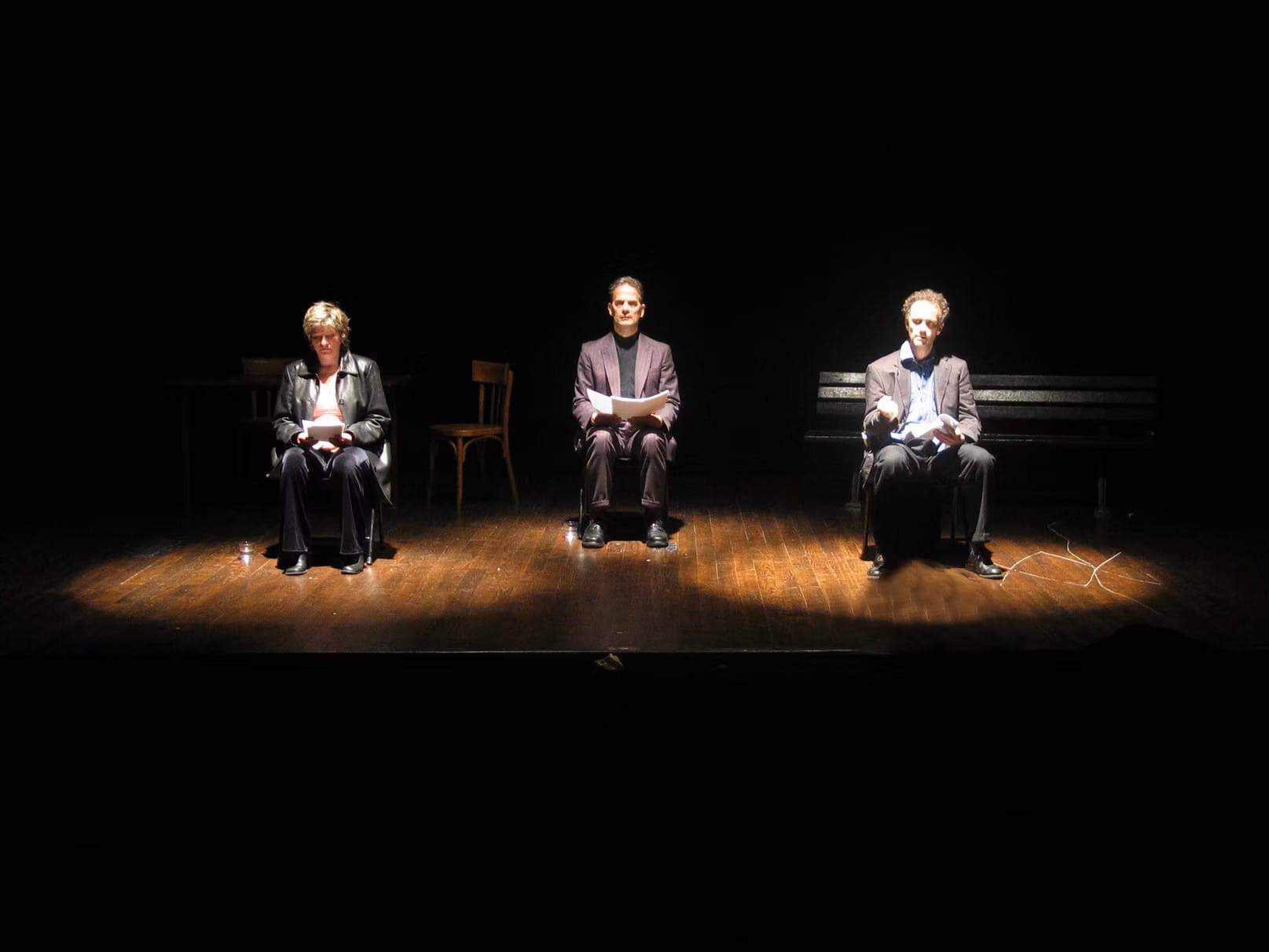
There were a lot of people around who were up for stuff, which made theatre easy, so I wrote a play and put it on at a squat. Then I wrote another couple of plays and put them on, and more and more things were happening.
While in Paris, I met an architect called Neville Mars who’d gotten funding to do a book on urbanisation in China, so I went out with him, initially to write a chapter, but ended up co-authoring the whole book. China in the early noughties was doing this thing of turning make-believe into reality at fantastical speeds and scales. Someone would imagine a city and you’d spin around and boom! It was there. The joke among architects in Beijing at the time was that you had to be careful what drawings you threw out in the trash, because the next day you’d find someone building them. The veil between dream and world was breathtakingly thin, and reality shimmering and fluid.
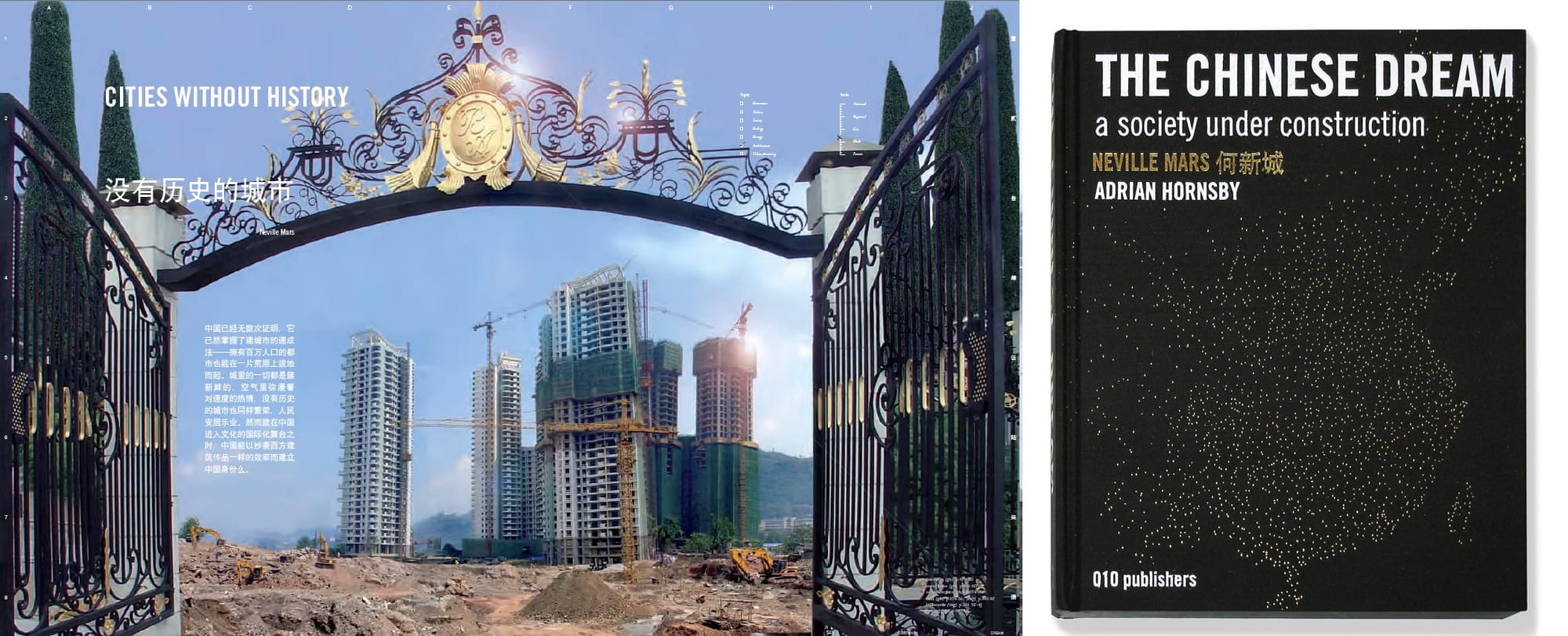
The Chinese Dream (010 Publishers, 2008)
Which got me thinking a lot about this process of turning concepts into things, and what happens in the transition. Why does an imagined form come out how it does, and what are the forces and structures behind it? I ended up reading more and more about macroeconomics and politics and investment flows, which are far more significant to how cities get built than architects, really. So that became a big part of the book, and it led to me doing another book – a super-technical one – about measuring non-financial impacts, and subsequent books about digital disruption in business.
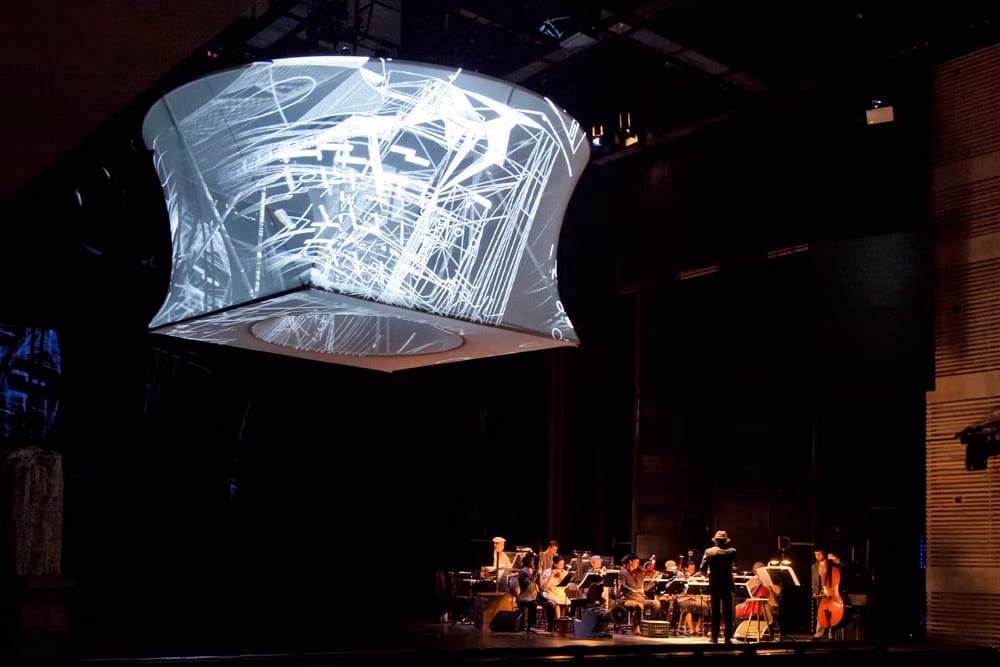
It was also through China that I met a composer called Arnoud Noordegraaf, who I went on to write a number of operas and film concertos with. And through those projects, I started working with a pianist who was doing a kids’ show, which is how I wound up making a couple of those. And now I’m trying to write a kids’ book. Long answer but we’ve got to here.
You have maintained your career for decades now – what is the key to longevity as a writer, both creatively and professionally?
Creatively, death for me is to start by asking, ‘Does the world really need another book, play, or whatever other lame project I might be thinking about?’ Evidently not. But if one person is on my case about it, I’ll find an idea, somehow. So the creative question becomes more of a professional one: how do you keep finding people to be on your case?
I think a few things have been important for me:
1. Finding people who are making stuff happen, on whatever level, and getting involved.
2. Being useful. As a writer, I discovered, you actually have skills that people need. In particular, if you can collect and synthesise information into a coherent whole of some kind – be it a text, a film, a slide deck, whatever – that’s a key into any project on earth (so long as you have point 1 above covered).
3. For my career, and hanging in there with it, it would be disingenuous not to mention that in the early 2000s my grandparents died and, together with my mother, I bought a place where I’ve always been able to land. It didn’t mean I suddenly had zero financial pressure, but it did make it a lot easier, mentally and practically, for me to keep pulling this trapeze act of swinging from project to project with very little inherent security.
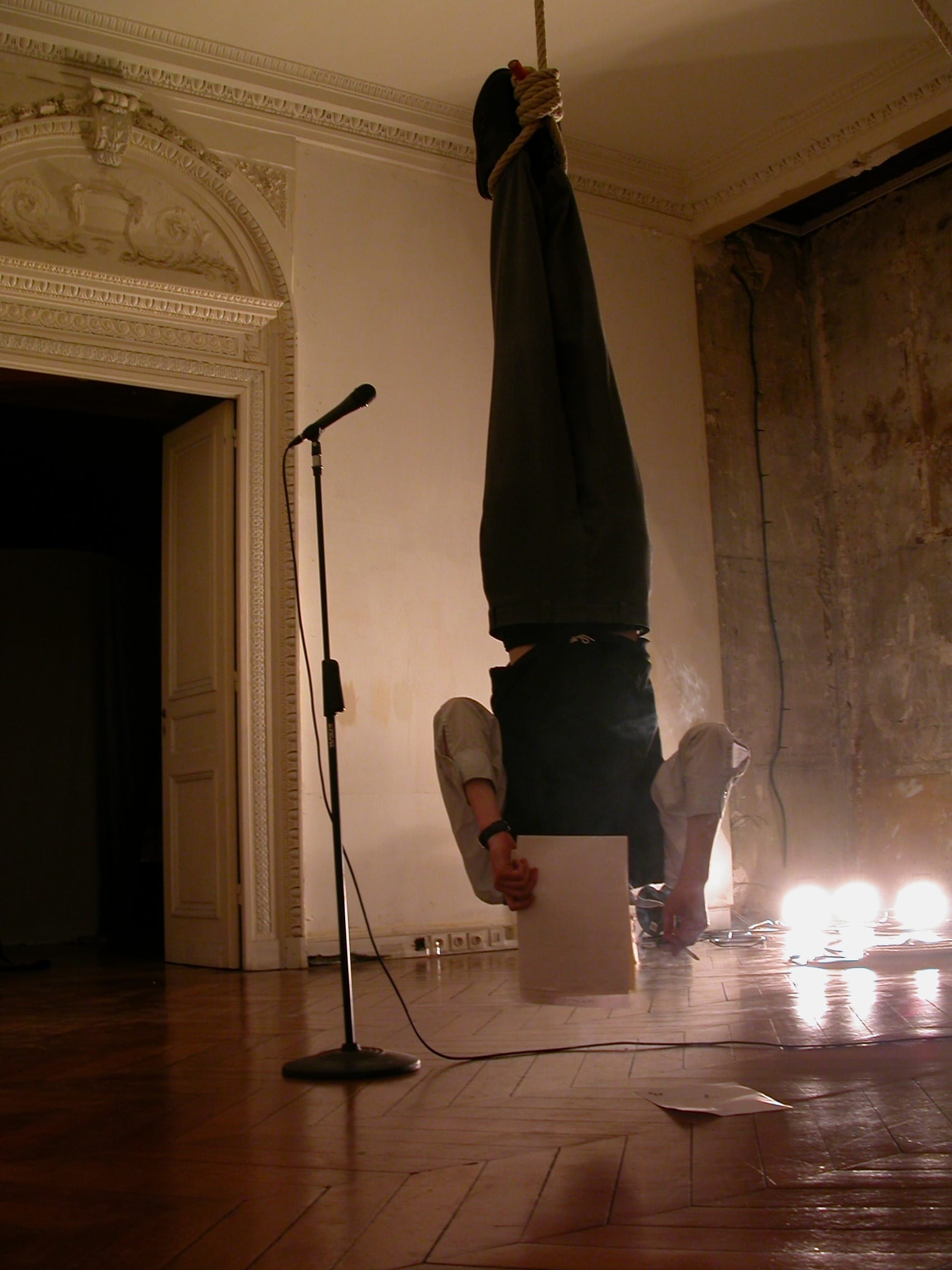
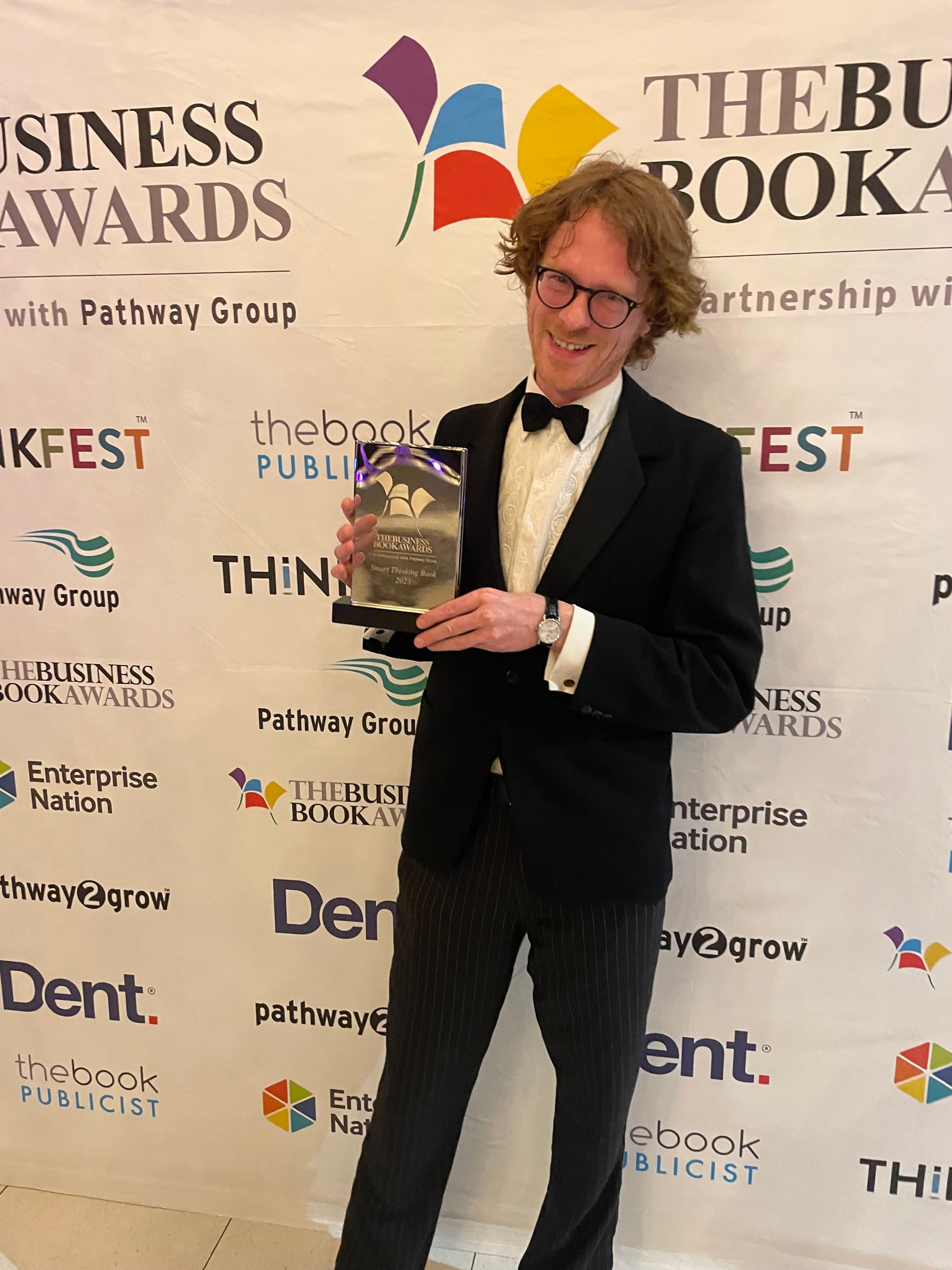
Reading in Espace Créateur, Paris (2003); Red carpet moment: Disruption in Action wins the Smart Thinking Business Book of 2023!
Your writing portfolio is incredibly diverse – you’re written books, short stories, operas, you’ve worked in film and theatre and with businesses on technical documents. How do you turn your hand to these wildly differing mediums?
For me, a story is a particular subset of information, laid out in a particular order, that you can take another person through, and thereby give them a sense of something larger. That’s true whether the story is fiction or non-fiction, and whether it’s for the page or performance. The only differences are where you’re getting the information from, and in what context you’re taking the audience through it.
There’s a good quote in Darwin’s Autobiography: ‘My mind seems to have become a kind of machine for grinding general laws out of large collections of facts.’ I think you can replace ‘general laws’ with ‘stories’, and ‘facts’ with ‘bits and bobs’, and you’ve got a pretty good description of what writers do.
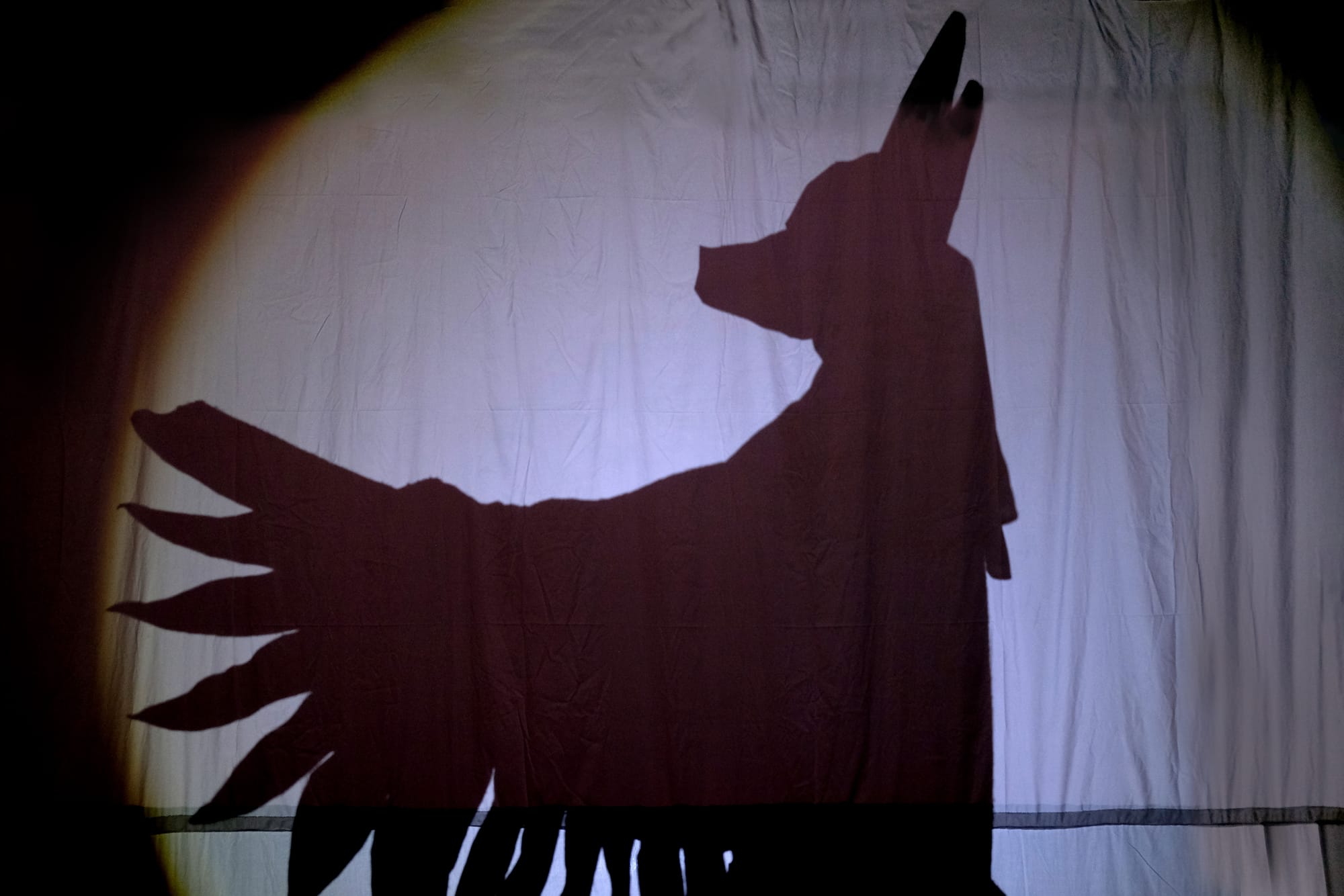
Writing can be an incredibly solitary pursuit, but you have also worked in close collaboration with clients and creative partners – how do you thread that needle?
The favoured cliché is of the writer in a garret, working away in splendid isolation, and at last, out pops the masterpiece. That can happen, but extremely rarely, and mostly what falls out of garrets is crap.
I find, on projects, there is a phase in the writing that I do just need do by myself. During that period I slave away, sweat blood, cry, laugh maniacally, think variously: it’s wonderful, it’s hopeless, and finally, it is what it is and nothing can be done. Then, exhausted, I give it to whoever I’m working with, and they read it and say, ‘Ok, but about this bit here, I was thinking …’. And the awful truth is, they’ve got a point. So you go back and do the thing you thought you couldn’t, which is to make it better. Then repeat.
The trick of course is to be sure that whoever you’re working with (client, editor, co-creator, etc.), is on a wavelength with you. It’s not that you need to have the exact same vision – some divergence and push-and-pull is good – but there needs to be some shared sense of where you want to take an audience.
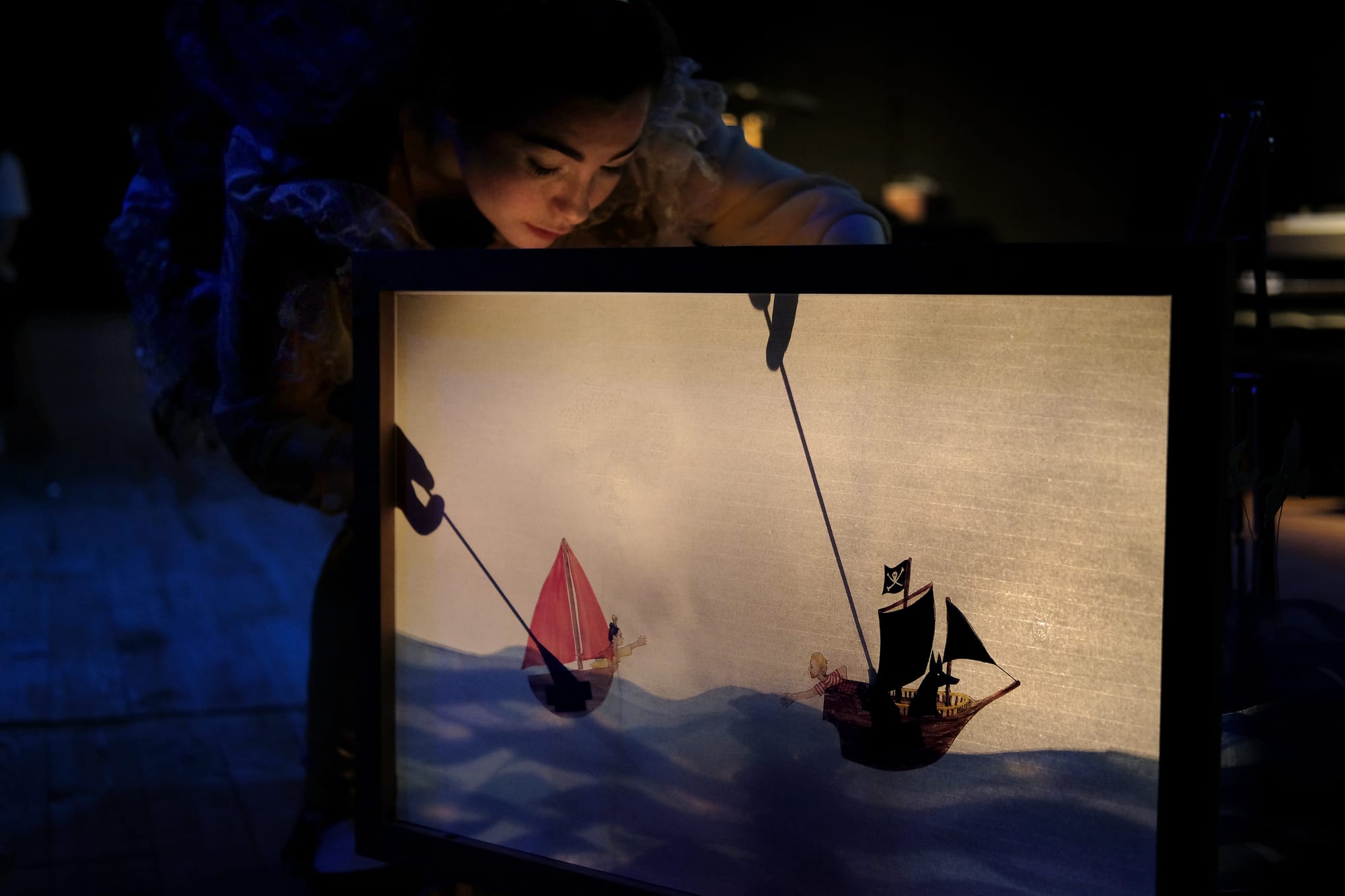
What ignites the spark in you? What makes you take the top off your pen and get going? And has your writing positively helped your mental health in any way?
The spark is having something to say to somebody – that feeling of ‘I’ve got to tell you this!’ But behind that, striking the spark, is typically one or another project opportunity. And going one layer behind that, what keeps me seeking the strike is the sheer pleasure of making. I find this an endless source of joy and release, and what the soul in The Egyptian Book of the Dead calls ‘ease of heart’. If I go too long without making something I start getting unhappy, and really not good to be around.
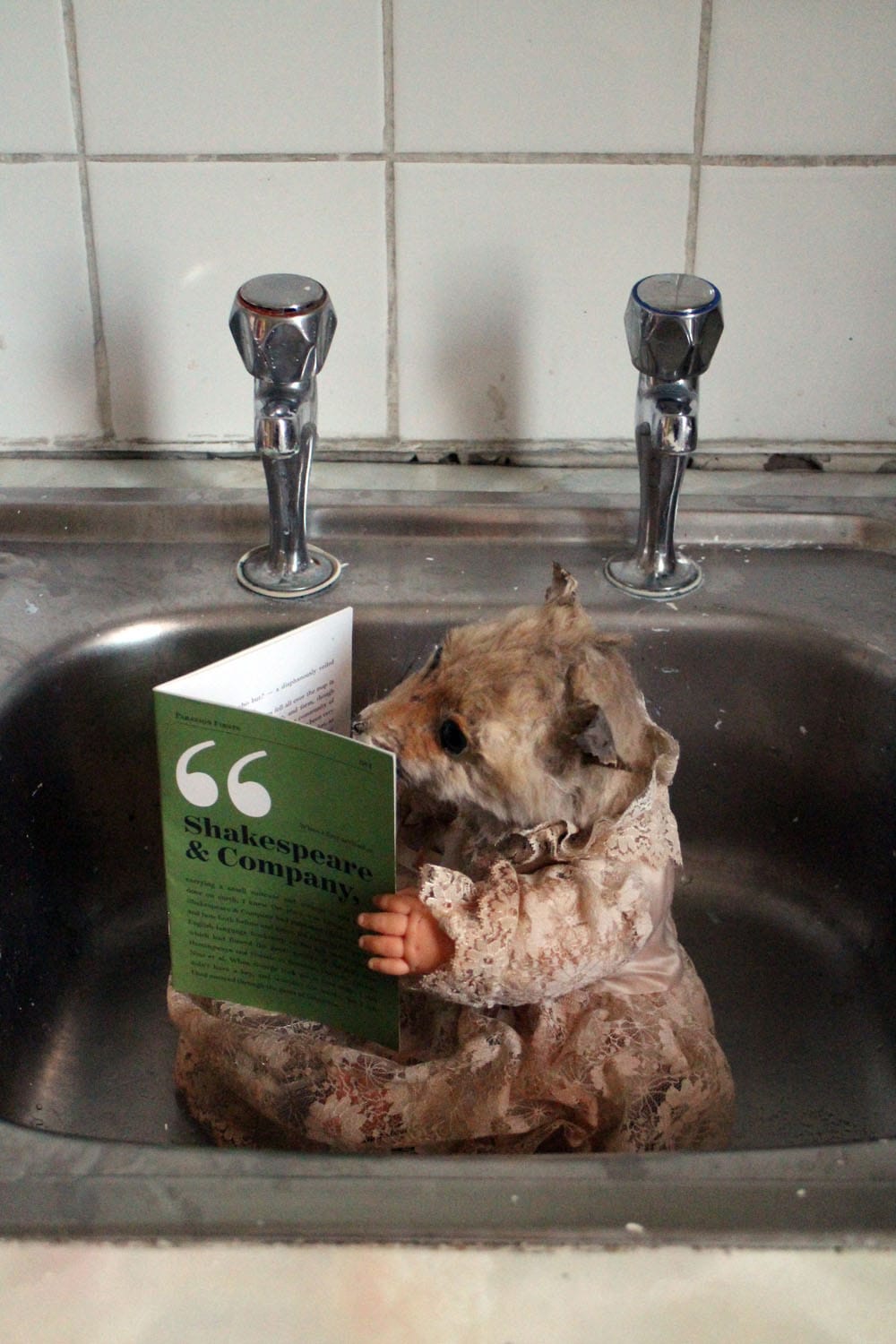
How do you know when it’s done?
When you’ve done it several times over. The first time you make something it’s usually a mess. The second time, you can get it right. Then the third and fourth times, you start getting loose and it flows.
This is a problem for art because typically you’re making unique things. But the theatre productions I’ve done that have had multiple runs are the ones that got good. Because with those, I could sit in the audience for the first run and see where the engagement was dropping, or a piece of the story wasn’t landing, and people were checking their phones. You can feel it in your body all of a sudden, just by being there with other people watching it. So then you go back and fix things, and do another run, and fix again, and so on. Until at some point you can feel the story carrying people all the way through, and every part resonates with every other and the whole thing sings, and it’s a beautiful thing.
With something like a book it’s a bit different, but I think you still want to have some kind of a process like this, with an editor and readers. The last book I did, Disruption in Action, is a collection of seven tales, and I wrote them all from top to bottom several times over.
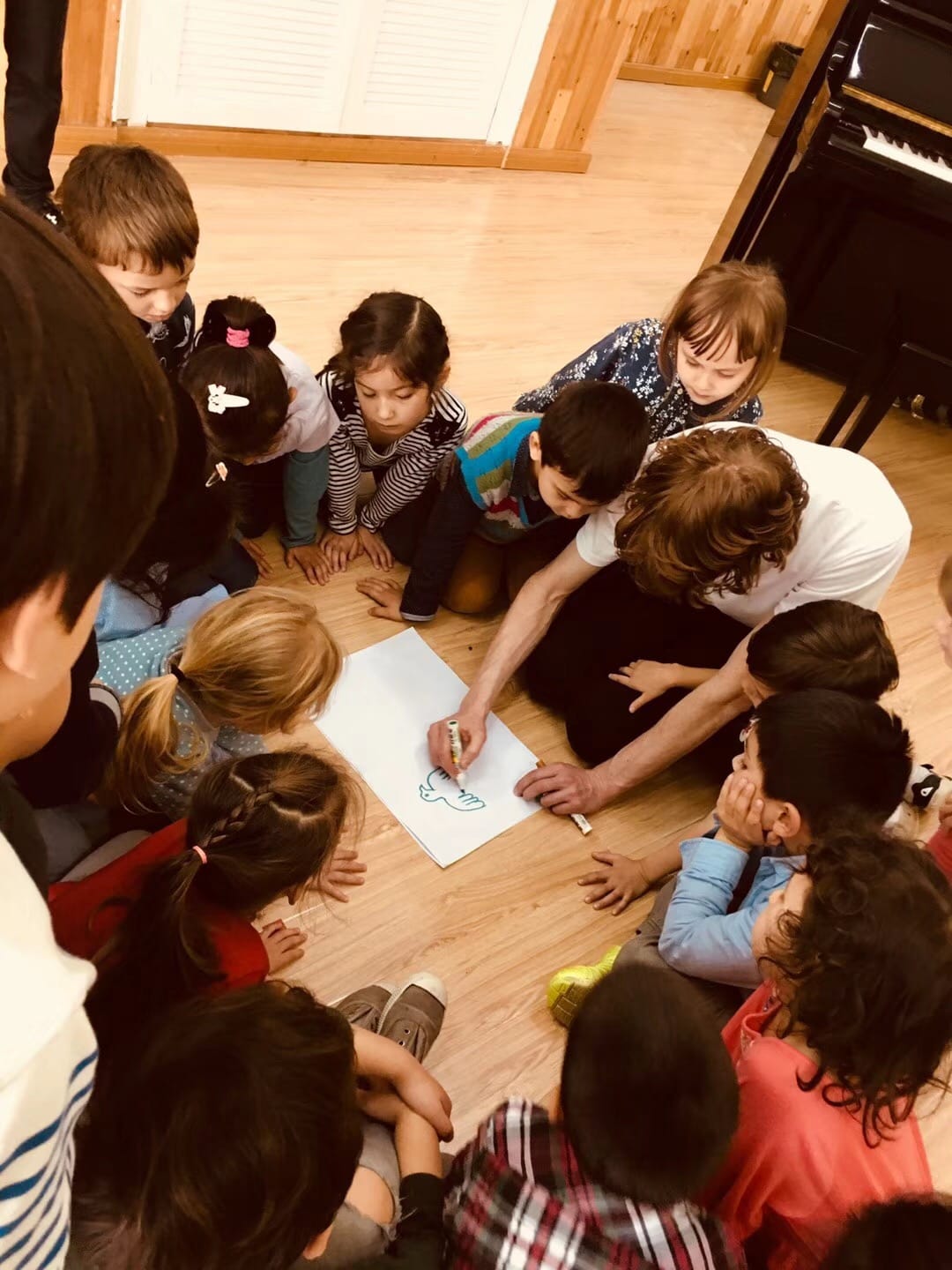
What advice would you give to any writers out there who are at the start of their career?
Two things:
1. Write it down. Whatever it is, whatever it’s about, whatever legitimacy it does or doesn’t have – just write it down.
2. Find someone else who’s interested in it.
If you can’t do 2, go back to 1. Or start at 2 and do 1, and then back to 2. But either way, you have to keep completing the circle.
There’s a good bit in Grotowski’s Towards a Poor Theatre where he’s talking about what’s essential to theatre. Can you have a play without flashing lights and moving scenery? Of course. How about without music or dancing or a big cast? Naturally. Without a script? Yes, that too even. But what you absolutely cannot do without, he concludes, is one actor and one audience member. That is the requirement for an act of theatre to take place.
With writing, you need one writer and one reader. It doesn’t matter if it’s one or one million, but you need to be able to look one reader in the eye, and know you’ve taken them somewhere.
We're constantly on the look out for new artists, creatives and initiatives to feature in TheNeverZine - so if you are, or know someone who is going their own way and doing their own thing on their own terms and would be a good fit to feature please smash that button below and get in contact. By talking to each other, and sharing our journeys, ideas and insights on creativity, art, mental health and resilience we can all create, share and thrive together. Nice thought that.
PS - Don't forget to subscribe below for more content from TheNeverPress 👇